
X-Ray Inspection in PCBA: When It Matters, What It Reveals, and How to Use It Well
SUNTOP Electronics
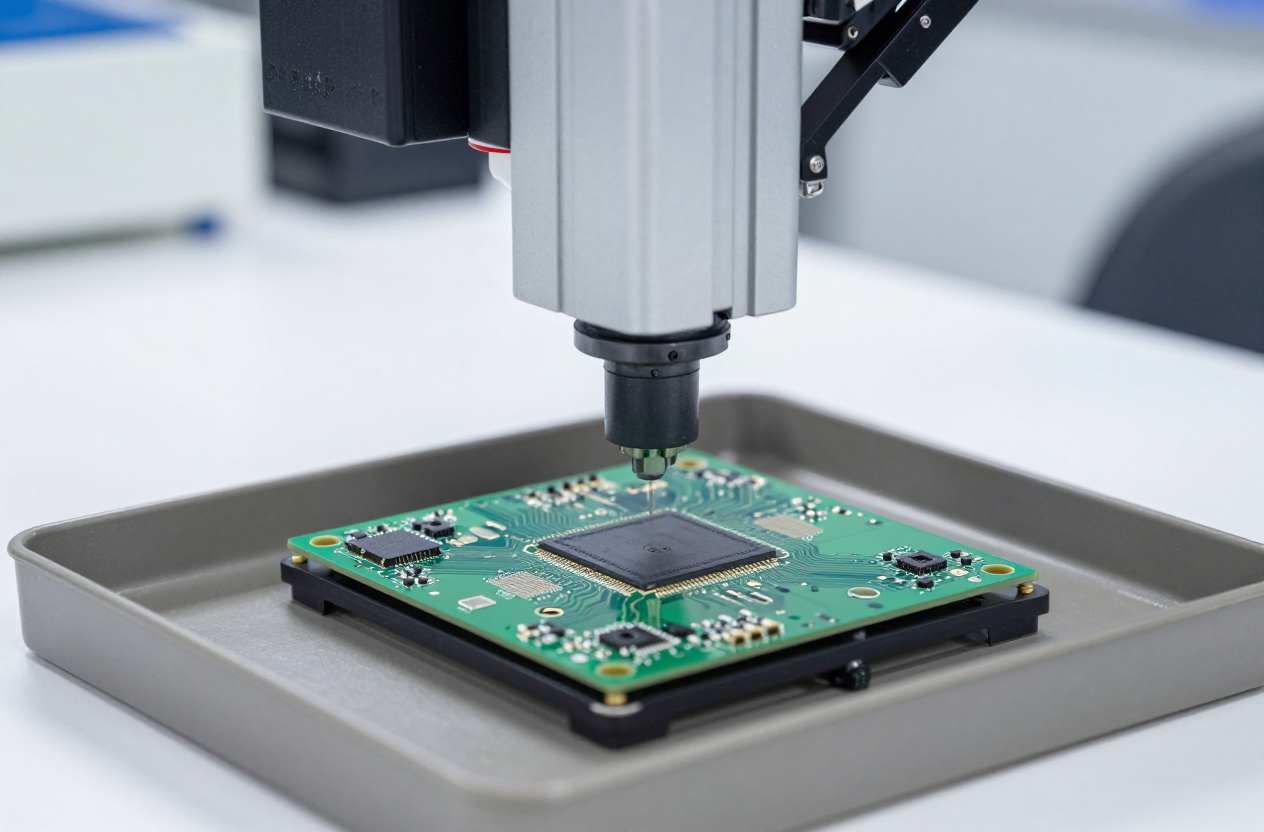
Some assembly risks are easy to see from the top side of a board. Others are buried under packages, inside solder joints, or hidden by the structure of the assembly itself. That is where x-ray inspection in PCBA becomes useful.
In practical manufacturing terms, radiographic inspection is used when a team needs visibility that optical inspection cannot provide. It is especially relevant for hidden-joint packages, dense assemblies, bottom-terminated components, and builds where the cost of missing an internal solder problem is higher than the cost of an extra inspection step.
This does not mean every board needs radiographic review. In many products, AOI, process control, and functional verification are enough. But when the design includes hidden solder joints, BGA-style packages, or reliability-sensitive assemblies, this method can help engineering and sourcing teams ask better questions before problems reach shipment or field use.
This guide explains when x-ray inspection in PCBA adds value, what it can realistically reveal, where its limits still matter, and how to prepare a cleaner discussion with your PCB assembly partner before prototype or production release. For most teams, x-ray inspection in PCBA is a targeted quality tool rather than a universal default.
What X-Ray Inspection in PCBA Means and When It Is Used
At a high level, x-ray inspection in PCBA means using radiographic imaging to look through components and solder structures that cannot be evaluated directly by normal visual inspection. It is commonly used for packages such as ball grid array (BGA) devices, bottom-terminated components, high-density modules, and other areas where the solder connection is largely hidden after reflow.
Teams usually consider this method in situations such as:
- new product introduction builds with hidden-joint packages
- boards where BGA solder quality is a known risk point
- assemblies with dense power modules or bottom-terminated parts
- failure analysis after suspicious electrical behavior
- process validation when the assembly flow or stencil strategy has changed
The goal is not to replace every other inspection method. The goal is to make hidden structure visible enough to support a better quality decision.
Where X-Ray Inspection in PCBA Adds the Most Value
The strongest use case for this method is not generic “extra checking.” It is targeted visibility in the places where optical methods have blind spots.
Hidden solder joints under BGA and bottom-terminated packages
When solder joints sit under the package body, top-side cameras cannot directly judge joint shape or collapse quality. Radiographic review helps teams judge whether the hidden interconnect structure looks consistent enough for the build stage and package style.
Voiding, bridging, and alignment review in dense assemblies
On some designs, this inspection step is useful for reviewing solder voiding patterns, hidden bridging risk, or ball alignment on fine-pitch assemblies. It can also help identify whether a suspicious area deserves process adjustment or deeper analysis instead of guesswork.
Cross-checking builds where reliability questions are expensive
If a board is intended for a tighter quality workflow, this review path gives buyers and engineers another way to assess assemblies before they move further into test, shipment, or failure investigation. That can be particularly useful when the downstream cost of a missed hidden-joint issue is high.
What X-Ray Inspection in PCBA Can Reveal and What It Cannot Confirm Alone
A realistic article on this inspection method has to be clear about both value and limits.
It can help reveal:
- hidden solder-joint shape trends
- obvious bridging under hidden-joint packages
- some alignment or collapse irregularities
- internal voiding patterns that deserve review
- structural issues that are invisible to AOI alone
That said, radiographic review does not automatically prove that every joint is electrically sound, mechanically robust, or reliable over product life. A radiographic image is still an inspection input, not a complete product verdict. It should be interpreted within the larger quality plan, just as x-ray inspection in other industries is only one verification tool among several.
It also matters that image quality, viewing angle, package geometry, and reviewer experience all affect what can be concluded. A board can look acceptable in a single x-ray view and still need process review, additional imaging, or test correlation if symptoms suggest a deeper problem.
How Design and Assembly Choices Affect X-Ray Review Results
That is why x-ray inspection in PCBA is not only about the machine. Board design and assembly decisions strongly affect how useful the review will be.
Package selection and pad strategy matter early
If a design relies on BGA, QFN, LGA, or power packages with hidden joints, inspection difficulty should be considered before release. Pad geometry, paste strategy, thermal behavior, and local density all influence how interpretable the finished joint structure will be during x-ray review.
Stackup and local mechanical context can complicate interpretation
Dense copper regions, shielding structures, stacked assemblies, and unusual mechanical features may make radiographic interpretation less straightforward. That is one reason it helps to align DFM and inspection discussion early instead of treating x-ray as a last-minute rescue tool.
Process consistency affects what the image is telling you
Stencil design, paste volume control, placement accuracy, and reflow discipline all shape the result being inspected. If the process is drifting, radiographic review may show symptoms, but the corrective action still depends on root-cause analysis rather than image review alone.
When X-Ray Inspection in PCBA Should Be Combined With AOI, ICT, or Functional Test
The best quality strategy is usually a combination, not a single method.
AOI remains useful for visible solder joints, polarity, component presence, and top-side process errors. If your team is comparing camera-based inspection scope in more detail, this separate guide on AOI inspection in PCBA is a helpful companion.
Radiographic inspection is strongest where visibility is blocked. ICT and functional test answer different questions again: whether electrical connections behave as expected and whether the assembled product works in operation.
In practice, teams often combine methods like this:
- AOI for visible placement and solder quality checks
- x-ray review for hidden-joint or internal structure review
- ICT or functional test for electrical behavior confirmation
That layered approach is usually more credible than asking one method to do everything.
If your product needs a broader supplier discussion around inspection and verification flow, a capable quality testing service conversation should cover inspection scope, package risk, test intent, and escalation paths together rather than in isolation.
How to Prepare a Better X-Ray Review Discussion With Your PCBA Supplier
A useful x-ray conversation starts before the board reaches the line, because x-ray inspection in PCBA works best when the supplier understands the real risk area.
When discussing this inspection method with a manufacturing partner, it helps to clarify:
- which packages or areas are the real concern
- whether the build is prototype validation or production control
- what symptoms or prior issues triggered the request
- whether the review is screening, process validation, or failure analysis
- what other inspection or test steps will be used alongside x-ray
The cleaner your handoff, the more useful the inspection feedback becomes. If you already know the board includes hidden-joint risk, say so directly rather than expecting the supplier to infer it from the package list.
It is also smart to ask for expectations instead of guarantees. A strong supplier can explain where radiographic review fits their workflow, how they would combine it with assembly review, and when another method may still be needed. If you want to discuss a specific build package or inspection requirement, use the project contact page and provide the board context up front.
FAQ About X-Ray Review for PCBA
Does every assembled PCB need x-ray inspection?
No. X-ray inspection in PCBA is most useful when the assembly includes hidden solder joints, bottom-terminated components, dense modules, or a failure-analysis reason to look inside the structure.
Is x-ray inspection better than AOI?
They solve different visibility problems. AOI is strong for visible features. X-ray review is stronger where the joint is hidden under the package body.
Can x-ray inspection prove long-term reliability?
No single image can prove lifetime reliability by itself. Radiographic inspection should be used together with process control, design review, and the right electrical or functional verification steps.
Final Takeaway
This inspection method is valuable when your assembly risk is hidden, not when you simply want a more impressive checklist. Used well, it helps teams review BGA and bottom-terminated solder structures, investigate suspicious build results, and make better decisions about whether a board is ready to move forward.
The practical question is not “Should every board get x-ray?” It is “Where does x-ray inspection in PCBA reduce uncertainty enough to matter for this product?” When that question is answered clearly, inspection planning becomes more useful for both engineering and sourcing.