
PCBA Functional Test Guide: When to Use FCT and How to Prepare
SUNTOP Electronics
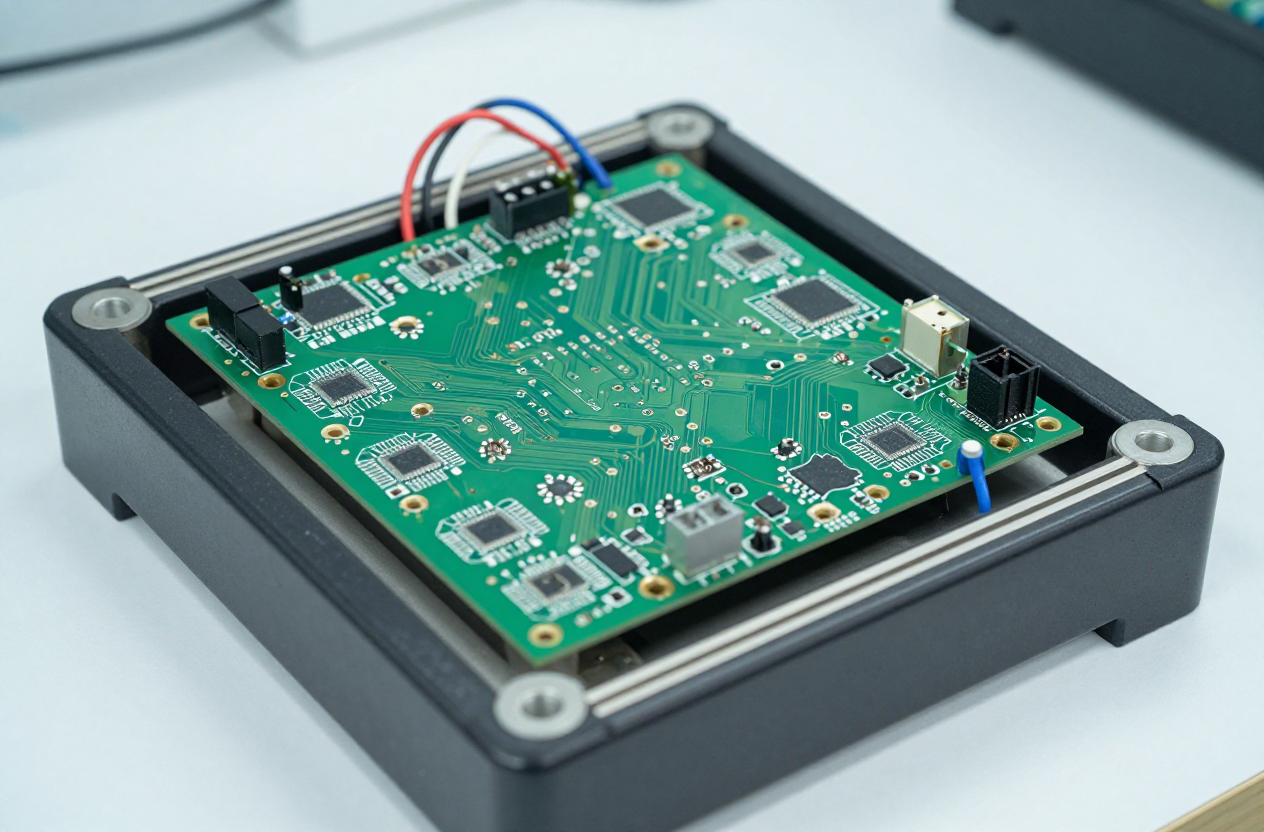
PCBA functional test is the stage where a built board is powered up and checked as a working product instead of only as a collection of solder joints. A board can pass visual inspection, appear electrically clean at a basic level, and still fail when real signals, interfaces, or power conditions are applied. That is why PCBA functional test matters before shipment, pilot ramp, or higher-volume release.
In practical manufacturing work, this test stage is used to confirm that the assembled board behaves the way the design intends under a defined setup. The goal is not to prove everything forever. The goal is to catch meaningful product-level faults early enough that engineering, sourcing, and production teams can respond without a slow field-feedback loop.
A good functional test plan also improves supplier communication. When a team explains what must be powered, measured, programmed, or stimulated, the factory can prepare fixtures, cables, software steps, and debug expectations more efficiently. That makes the handoff into PCB assembly capabilities review much cleaner.
This guide explains where board-level functional verification fits, how it differs from other inspection methods, what design and fixture details should be reviewed early, and how to prepare a more useful package before asking a supplier to build or validate boards.
What a PCBA Functional Test Means and When It Adds Value
A PCBA functional test checks whether the assembled board performs its intended job under controlled conditions. In broader functional testing, that means verifying behavior against expected inputs and outputs rather than only checking appearance or isolated net continuity.
This type of test is most useful when the product has meaningful powered behavior, such as:
- interfaces that must communicate correctly
- analog or sensor sections that need response validation
- programmed devices that must boot or configure properly
- power rails or protection circuits that must react in sequence
- product features that cannot be judged by visual inspection alone
That does not mean every board needs the same test depth. A simple controller board may only need power-up, programming, and a few I/O checks. A more complex board may need fixtures, firmware loading, communication checks, analog measurement, or system interaction steps. The right PCBA functional test scope depends on product risk, debug cost, and how much confidence the team needs before shipment.
How PCBA Functional Test Differs from AOI and ICT
Board-level functional verification is often discussed alongside AOI and ICT, but each method answers a different question. AOI looks for visible assembly issues. ICT checks selected electrical conditions and net-level problems through dedicated access. Functional verification asks whether the board actually behaves like the product it is supposed to be.
That distinction matters because a board can pass earlier gates and still fail real operation. A microcontroller may be mounted correctly but not boot because configuration, programming, or peripheral interaction is wrong. A power stage may look clean in AOI yet behave badly when load or sequencing is applied.
If your team needs a quick framework for the broader workflow, the existing ICT vs FCT vs AOI inspection guide is a useful companion. For this article, the important point is simpler: this test stage should be planned as the product-behavior gate, not treated as a vague extra step added at the end.
In many builds, successful functional verification also depends on earlier design choices. If test points are inaccessible, connectors are hard to reach, firmware handling is unclear, or the board needs awkward manual hookups, the functional stage becomes slower and less repeatable. That is why test planning belongs upstream.
For boards that also use in-circuit test, the two methods can work together. ICT can help isolate assembly or net issues quickly, while the final powered test confirms the board still behaves correctly under realistic operating conditions.
Design and Fixture Details to Review Before PCBA Functional Test
The best test flow usually starts before the first fixture is built. Teams should review whether the board, firmware flow, and interface assumptions actually support repeatable testing instead of assuming that a technician will improvise around missing access.
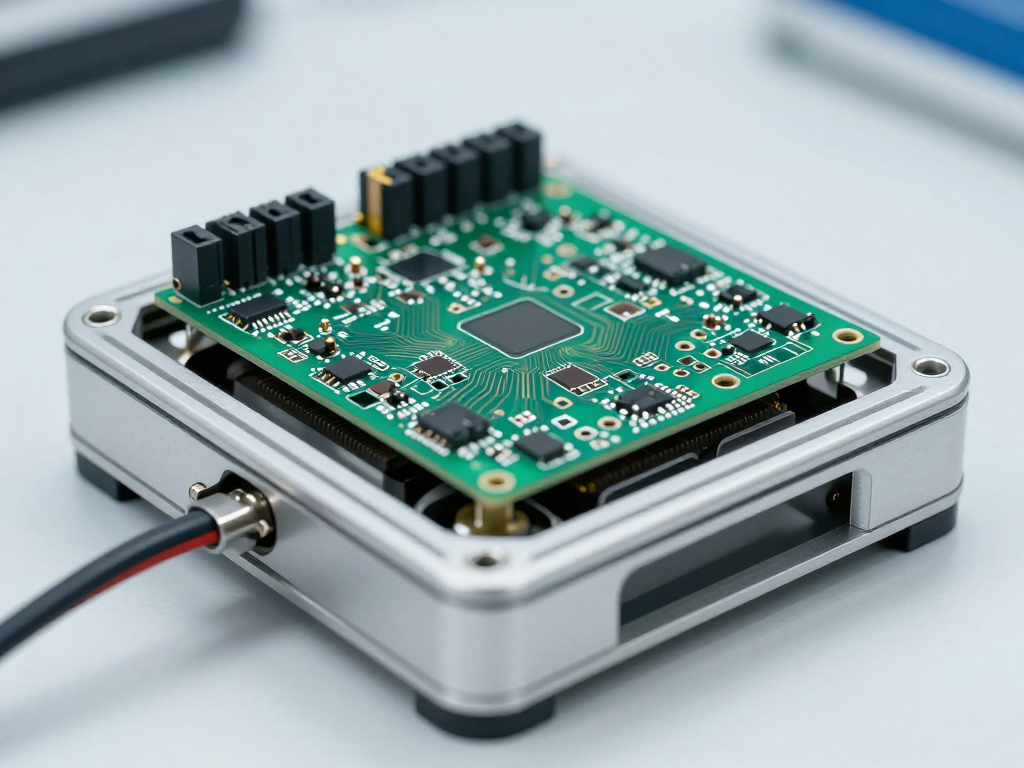
A stable fixture and accessible connectors make powered validation easier to repeat from prototype builds into production checks.
Key items to review early include:
- power input method and safe startup sequence
- connector access for the signals that must be measured or stimulated
- programming and debug access for controllers or memory devices
- test points for important rails, clocks, or control nodes when needed
- fixture alignment and board support for repeated contact
- pass or fail criteria that are clear enough to execute consistently
The flow can become fragile if the fixture depends on unstable contact, unclear operator steps, or cables that were never considered during layout. That is especially true when the setup resembles a bed-of-nails fixture or any custom jig that must land reliably on repeated units.
The design team should also think about whether the expected test flow is realistic for prototype builds versus later volume. Early prototypes may accept more manual interaction. Production-oriented functional verification usually needs cleaner fixture logic, more stable access, and less interpretation by the operator.
Common PCBA Functional Test Problems That Slow Prototype or Production Builds
Many functional-test delays come from missing preparation rather than advanced technical failure. One common problem is leaving firmware, calibration, or configuration assumptions undocumented until boards arrive at the factory. Another is designing a board that works on the bench but is hard to connect in a repeatable production setup.
Teams also lose time when the test flow tries to answer too many questions at once. If the sequence mixes bring-up, debug, calibration, and shipment acceptance into one unclear flow, failures become harder to diagnose and cycle time grows. A better approach is to decide what the test must prove at that stage and keep the logic aligned with that goal.
Another frequent issue is weak design-for-test thinking. In broader design for testing, the idea is to make verification practical during manufacturing rather than only theoretically possible after the board is built. If test access, fixture support, or operator flow were ignored during design, the downstream validation step inherits that friction.
Finally, some handoff packages describe the board but not the test intent. The factory may receive Gerbers, BOM data, and assembly files yet still lack the information needed to power the unit safely, load code, connect peripherals, or judge pass and fail behavior. In that case, functional validation becomes a clarification loop instead of a reliable manufacturing step.
How to Prepare a Better Handoff for Your PCBA Partner
A useful test handoff should help the supplier understand not only what the board is, but how it should be exercised. That usually means sending a coherent package that connects assembly files with test expectations.
A stronger release package for PCBA functional test often includes:
- current assembly data, BOM, and placement files for the same revision
- firmware or programming instructions when the test depends on loaded code
- connector, cable, or accessory notes needed for the test setup
- clear power-up sequence and any safety constraints
- measurable pass or fail criteria for the key checks at this stage
- notes on what is prototype-only versus what should scale into production
When teams share that context early, the supplier can say whether functional verification should stay manual, move toward a fixture, or be split into separate debug and production gates. If you want that discussion before locking the build flow, the best next step is usually a short conversation through the contact page.
FAQ About PCBA Functional Test
When is a PCBA functional test more useful than AOI?
A PCBA functional test is more useful when the main risk is product behavior rather than visible solder quality. AOI can catch many assembly defects, but it cannot prove that a powered board boots, communicates, senses, or responds correctly in real use.
Does every assembled board need the same PCBA functional test?
No. The right functional-test scope depends on product complexity, field risk, debug cost, and the stage of production. Prototype boards often use a lighter process than stable volume builds.
What should engineering prepare before asking a supplier to run PCBA functional test?
At minimum, provide the board revision, power method, programming flow, required connections, and concrete pass or fail criteria. The supplier should not have to guess how the board is supposed to be exercised.
Conclusion
PCBA functional test is the point where an assembled board has to behave like a product, not just look assembled. When teams plan this stage early, review access and fixture needs during design, and hand suppliers a clearer validation package, they reduce confusion between first build and production release.
That is the practical value of this test stage: better fault visibility, cleaner handoff, and a more predictable path from assembly to usable hardware.