
PCB Fabrication File Checklist: What to Send Before Quote and Production
SUNTOP Electronics
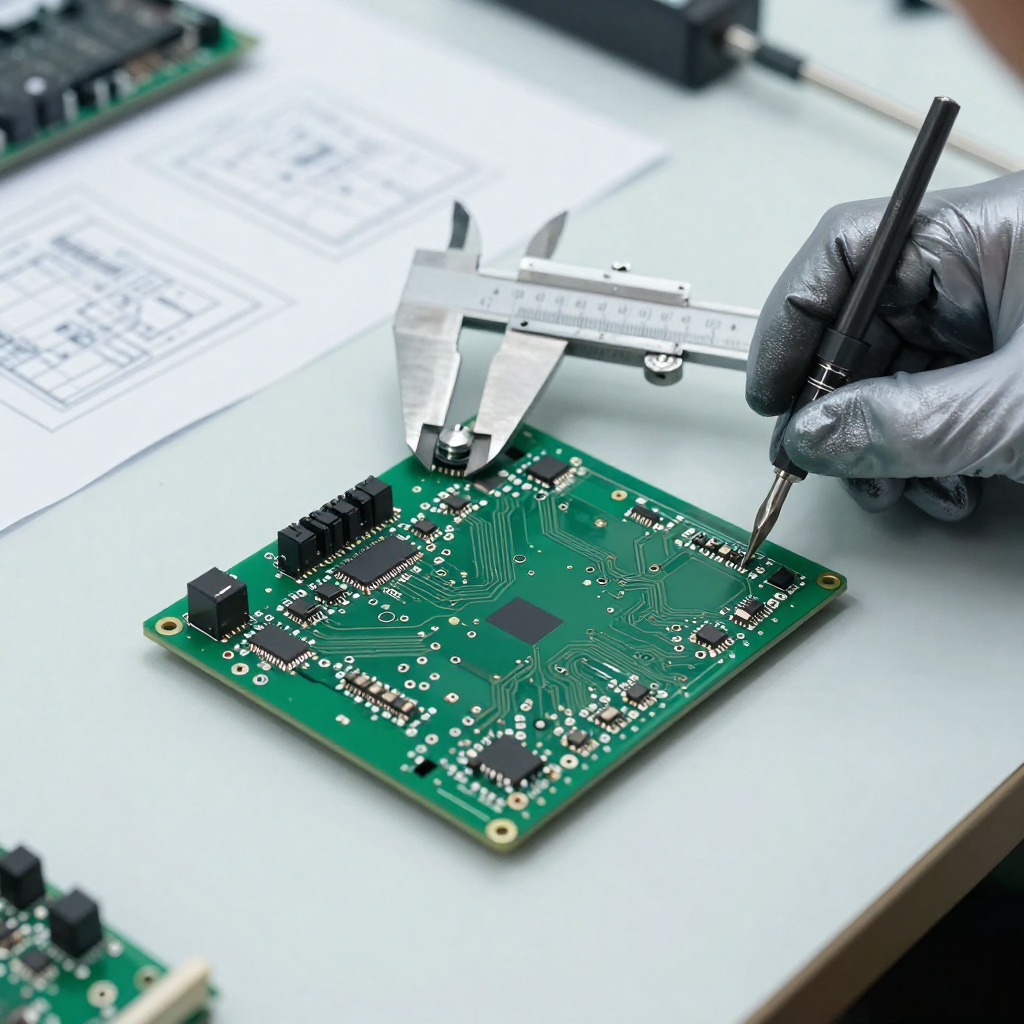
A complete release package is one of the fastest ways to reduce quote delays and unnecessary back-and-forth with a supplier. A practical PCB fabrication file checklist helps teams confirm that the manufacturer has the board data, drill information, stackup intent, and supporting notes needed to review the job correctly.
In many projects, the layout itself is not the biggest problem. The bigger issue is that the fabrication package is incomplete, inconsistent, or too dependent on assumptions. A good PCB fabrication file checklist closes that gap before the files leave engineering.
That matters because a supplier cannot review manufacturability properly when critical data is missing. Even when the board looks straightforward, a weak file package can slow quoting, trigger clarification loops, and create risk around thickness, drill structure, impedance intent, or mechanical details. A disciplined PCB fabrication file checklist makes the handoff cleaner and easier to review.
This guide explains what should be in a PCB fabrication file checklist, how the package changes when assembly review is also needed, which mistakes create the most friction, and how to send a cleaner package to your PCB manufacturing partner.
Why a Clean Fabrication Release Package Matters Before You Request a Quote
This review is not just administrative housekeeping. It is a way to make engineering intent legible to the factory before a quote, prototype, or production release starts moving.
Without a structured package, the manufacturer may have to guess at details that should already be explicit: finished thickness, plated versus non-plated holes, stackup priorities, impedance sensitivity, board outline requirements, or special material assumptions. That creates slow review cycles and increases the chance that the supplier prices the board conservatively because too much is unclear.
A stronger handoff also helps internal coordination. Engineering can confirm what is truly release-ready, while sourcing can compare suppliers on a more equal basis because each one receives the same set of inputs. If your team is already using a broader PCB DFM checklist, the file package review is the step that turns those design decisions into a usable manufacturing handoff.
What to Include in the Manufacturing Release Package
The most useful PCB fabrication file checklist covers the package as a complete manufacturing set rather than a single folder of exported files.
At minimum, review these items before sending the board out:
- Gerber or equivalent image data for every required layer. If you are exporting standard Gerber, confirm that copper, mask, legend, paste, and outline layers are named clearly and match the current revision.
- NC drill data with plated and non-plated intent made clear. If drill structure is complex, the file set should not force the factory to infer those differences from context alone.
- Fabrication drawing or release notes that state board thickness, copper assumptions, finish, dimensions, slots, cutouts, and any special instructions that affect buildability.
- Stackup information when the board depends on controlled thickness, material choices, or impedance-aware layer planning.
- Readme or release summary listing revision status, special risk points, and which outputs belong to the approved package.
The checklist should also confirm consistency across those files. The issue is often not that one document is missing entirely. It is that one file reflects a newer revision while another still reflects an older export, or that the drawing calls out a feature that does not match the manufacturing data.
When the board includes impedance-sensitive routing, higher layer counts, or unusual material needs, the package should make that intent explicit instead of relying on the supplier to reverse-engineer it. That is where this release review matters most before the request reaches the factory.
When Assembly Review Also Matters
A PCB fabrication file checklist is centered on bare-board manufacturing, but many real projects ask for fabrication and assembly feedback in parallel. In that case, the handoff package should still protect the fabrication review while adding the assembly-side files needed for a faster combined response.
That usually means including a current BOM, centroid or pick-and-place data, and assembly drawings when turnkey or PCBA review is expected. A supplier can then judge whether the board is not only fabricable but also practical for component placement, soldering, inspection, and test access. If the project needs a broader capability discussion, the capabilities page is the right place to align fabrication, assembly, and inspection expectations before formal release.
It is also worth thinking about format overlap. Some teams send only fabrication exports and assume assembly details can wait. That may work for a bare-board quote, but it is weaker when the same supplier is expected to review full PCBA readiness. In that scenario, the checklist should deliberately note where the package stops and where assembly-supporting data begins.
For more integrated data exchange, some teams also evaluate formats such as IPC-2581 when their tool chain and suppliers support it. Even then, the checklist remains useful because the real question is not the file extension alone; it is whether the release package communicates the board clearly enough for review.
Common File Package Mistakes That Slow Down Review
Most quoting friction comes from a small group of repeat problems. A PCB fabrication file checklist should catch them before the files leave your team.
One common mistake is exporting the artwork but forgetting the context. The manufacturer receives layer data, but there is no clear fabrication drawing, no stackup note, and no explanation of which details are mandatory versus negotiable.
Another mistake is mixing revisions. Gerbers may come from one export, the drill file from another, and the drawing from a third. That kind of mismatch creates immediate uncertainty because the supplier cannot trust that the package represents one clean release state.
A third mistake is assuming that purchasing or manufacturing will fill in the blanks later. If finish, thickness, material family, or mechanical details are still ambiguous, the checklist should flag that as incomplete instead of letting the package move forward as though it were stable.
Teams also lose time when filenames are cryptic, layer naming is inconsistent, or board outline information lives only inside email history. Even a simple bill of materials mismatch can create confusion once fabrication and assembly review begin to overlap.
How to Send a Cleaner Package to Your PCB Manufacturer
The best release checklist is the one that makes supplier review fast without hiding open questions.
Start by freezing the release set in one clearly labeled folder or archive. Confirm that every file belongs to the same revision, that layer naming is understandable, and that the manufacturer does not need to guess which outputs are authoritative. If special requirements still need discussion, list them plainly rather than burying them in scattered comments.
Next, identify what you want from the supplier. Are you asking only for a bare-board quote? A DFM review before prototype release? A combined fabrication and assembly assessment? The clearer that request is, the easier it is for the manufacturer to review the package in the right order.
Finally, keep the communication path simple. If you want a manufacturing partner to review the package early, send the files through the contact page with a short note on board type, target build stage, and the areas where feedback matters most. A clean PCB fabrication file checklist does not replace engineering discussion, but it gives that discussion a much better starting point.
FAQ About Fabrication Release Files
What is the minimum package?
For most boards, the minimum PCB fabrication file checklist includes current fabrication image data, drill files, board outline definition, and release notes covering thickness, finish, and any special build constraints. If stackup or impedance intent matters, those details should be included too.
Is this checklist only for complex boards?
No. Even a simple board benefits from a PCB fabrication file checklist because the checklist is really about package completeness and revision clarity. Simpler jobs may need fewer special notes, but they still need a clean, reviewable release set.
Should assembly files be included too?
They should be included when the supplier is expected to review fabrication and PCBA together. In that case, the checklist should make it obvious which files support bare-board fabrication and which ones support assembly planning.
Conclusion
A disciplined PCB fabrication file checklist helps teams move from “the layout is done” to “the manufacturing package is ready.” When file exports, drill data, stackup notes, and release context agree with each other, suppliers can review the board faster and with fewer assumptions.
That does not guarantee every quote will be instant or every issue will disappear. It does mean the conversation starts from a cleaner technical baseline, which is exactly what a good release checklist is supposed to achieve.