
What Happens After You Place a PCB Assembly Order With Us
SUNTOP Electronics
PCB Assembly Team
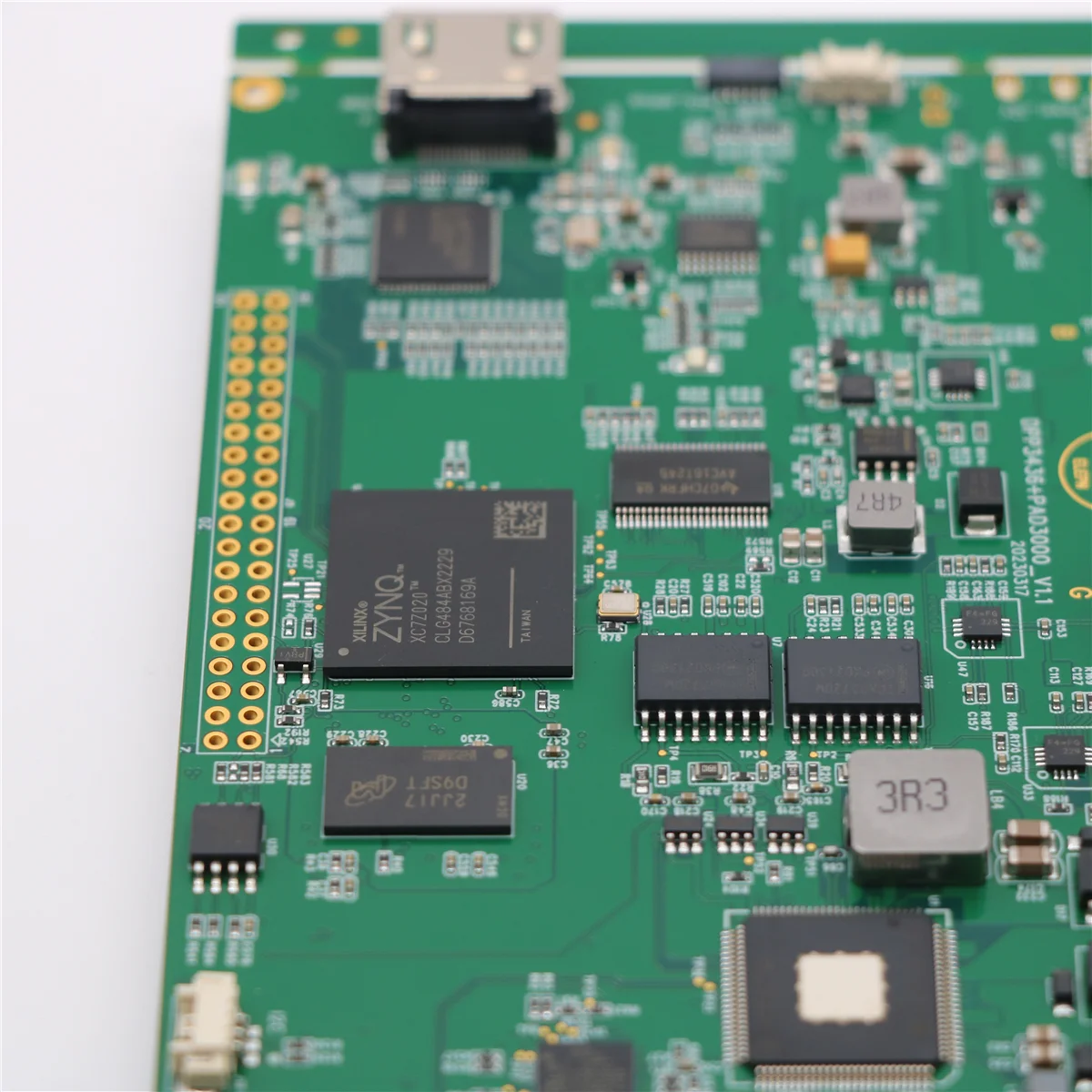
Placing a PCB assembly order is not only about sending files and waiting for finished boards. In a real PCBA project, small details matter: BOM clarity, component substitutions, polarity, DNP parts, testing expectations, packaging method, shipping documents, and urgent decisions that can affect delivery.
That is why our order process is built around communication. After you send your files, a real team reviews the details, raises engineering questions when needed, confirms key requirements before production, keeps you updated at important milestones, and checks packaging and shipping information before dispatch.
The goal is simple: you should not have to guess what is happening with your order. Whether the project is a prototype, a small batch, or a repeat production run, we want the process to feel clear, traceable, and handled by people who are paying attention.
1. We Start by Reviewing Your RFQ Files
The process begins when you send your RFQ package. For most PCB assembly projects, that package may include Gerber files, a BOM, pick-and-place data, assembly drawings, quantity, delivery expectations, testing requirements, and any special notes.
If you are preparing files for the first time, our PCB Quote Preparation Tool can help you organize the basics before contacting us. For BOM-specific checks, the BOM Readiness Checker can help catch missing fields, quantity mismatches, duplicate designators, and MPN issues before the files reach our team.
During the first review, we check whether the package is clear enough for quotation and production planning. We may look for:
- current Gerber or manufacturing files
- a complete BOM with manufacturer part numbers
- centroid or pick-and-place data
- assembly drawings or polarity notes
- DNP and optional part instructions
- quantity, schedule, and delivery expectations
- testing, programming, cleaning, coating, or box build requirements
If something is missing, we do not simply move the order forward and hope it will be resolved later. We identify the missing information and ask for clarification early, because early clarification is much easier than correcting a problem after production starts.
For bare board data, the Gerber format remains a common way to communicate PCB layer information. For assembly, however, Gerbers alone are not enough. The manufacturing team also needs usable BOM and placement information so the board can be built correctly.
2. Engineering and Purchasing Review the Order Before Production
After the file package is received, the order is reviewed from more than one angle.
The engineering side checks manufacturability and assembly risk. This includes PCB fabrication details, SMT and through-hole assembly requirements, component orientation, package fit, polarity marks, BGA or fine-pitch risks, and whether the release package is consistent.
The purchasing side checks component availability, brand and MPN clarity, lead time, possible substitutions, and supply risk. This is especially important for turnkey projects where component sourcing is part of the order.
This review does not replace formal design ownership by the customer, but it helps catch practical manufacturing questions before the order becomes harder to change. If the board also requires inspection or functional validation, our quality testing services team may need to understand the test intent before production planning is complete.
3. We Handle Engineering Questions Before They Become Production Problems
Engineering questions, often called EQs, are one of the most important parts of the order process.
An EQ is not a complaint. It is a technical question that must be clarified before we make a decision that could affect cost, quality, function, or delivery. A good EQ process protects both sides because it makes uncertain details visible before production.
Common EQs include:
- a BOM line has no manufacturer part number
- BOM quantity does not match the number of reference designators
- a component has several possible approved alternatives
- polarity marks are unclear or inconsistent
- the assembly drawing and pick-and-place file do not match
- DNP parts are not clearly marked
- a footprint or package appears different from the listed part
- a test requirement is mentioned but the test method is not defined
- a special PCB process may affect lead time or cost
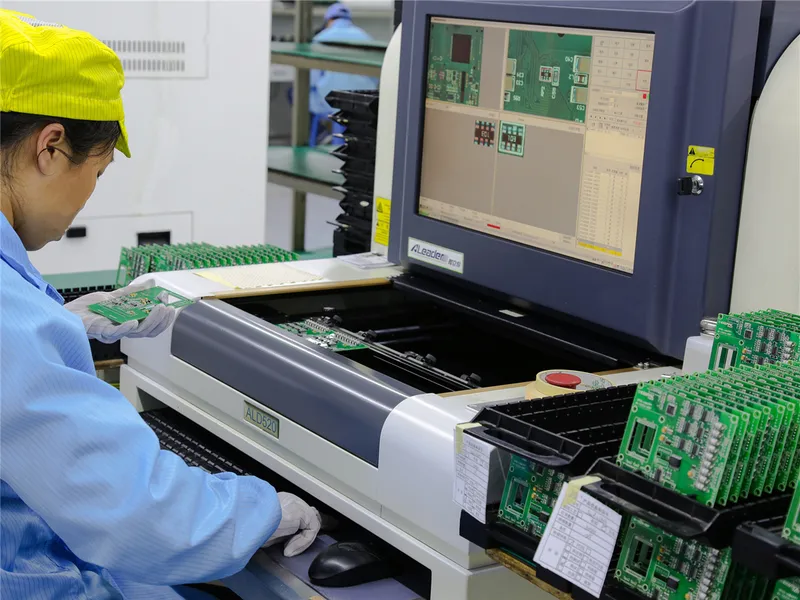
Engineering questions are handled before production so unclear BOM, placement, polarity, and process details can be confirmed instead of guessed.
When we raise EQs, we organize the questions clearly and explain what needs confirmation. We do not make critical assumptions silently. If a substitution, material choice, assembly detail, or test requirement needs customer approval, we wait for that approval and record it.
For normal questions, email or online messaging is usually enough. For urgent issues that may affect schedule or production continuity, we contact customers directly by phone or other fast communication channels. The point is not only to ask the question, but to close the question quickly and responsibly.
This people-led EQ process is one of the biggest differences between a passive order flow and a managed PCBA project. Every unresolved detail has an owner, and every critical decision needs a clear answer.
4. We Confirm Key Details Before Production Starts
Before production starts, we confirm the final working information for the order. This is the point where we make sure everyone is aligned on the same version and the same requirements.
Depending on the project, pre-production confirmation may include:
- PCB revision and Gerber version
- BOM revision
- approved substitutions or alternates
- DNP and optional build instructions
- quantity and delivery schedule
- SMT, through-hole, BGA, hand soldering, or mixed assembly needs
- test, programming, cleaning, coating, or inspection requirements
- packaging preference
- shipping method and destination information
This step is not just paperwork. It reduces the chance that one team is using one file version while another team is using a different version. For PCB assembly, revision control and clear approval records matter because even a small mismatch can affect the finished product.
Industry standards from IPC help define acceptability expectations for electronic assemblies, but project-specific requirements still need to be discussed and confirmed before the order starts. Standards provide a baseline; communication defines the actual order details.
5. We Keep You Updated During Production
Once the order moves into production, customers need visibility. They do not need noise, but they do need meaningful updates when the order reaches important points.
Depending on the order scope, we may update you when:
- PCB manufacturing has started
- key components are sourced
- special components require confirmation
- SMT is scheduled
- assembly is completed
- inspection or testing is completed
- packaging is being prepared
- shipment is arranged
For a simple repeat order, fewer updates may be needed. For a first build, urgent project, or complex turnkey order, communication is usually more active. The goal is to keep you informed at the moments that matter, especially when a decision or confirmation is needed.
If a production issue appears, we do not wait for you to ask. We contact you, explain the situation, and provide the options available. Examples may include a sudden component shortage, a testing concern, a fixture or programming question, or a delivery risk that requires a quick decision.
6. We Can Share Real Product Photos Before Shipment
Photos are useful because they make the order visible. Instead of receiving only a short message saying the order is finished, you can see the actual product, inspection status, packaging status, or shipment preparation when needed.
Depending on the order and customer request, we can share:
- bare PCB photos
- assembled PCBA photos
- inspection or test setup photos
- finished product photos
- packaging photos
- outer carton and label photos
Real photos help customers confirm visual details, communicate internally, and feel more confident before shipment. For remote international orders, this is especially helpful because the customer cannot walk into the factory to inspect the build in person.
This does not mean every small order needs a full photo report. It means we can provide practical visual confirmation when the order requires it, especially for new projects, urgent builds, packaging-sensitive products, or customer-requested shipment checks.
7. Packaging Details Are Confirmed, Not Assumed
Packaging is part of order quality. A good assembly can still create problems if it is packed poorly, labeled incorrectly, or shipped without considering handling risk.
For PCB assemblies, packaging may involve:
- ESD-safe bags
- bubble wrap or foam protection
- tray packing
- moisture-barrier or vacuum packing when needed
- product labels
- batch labels
- carton labels
- inner box and outer carton protection
- gross weight, dimensions, and packing quantity
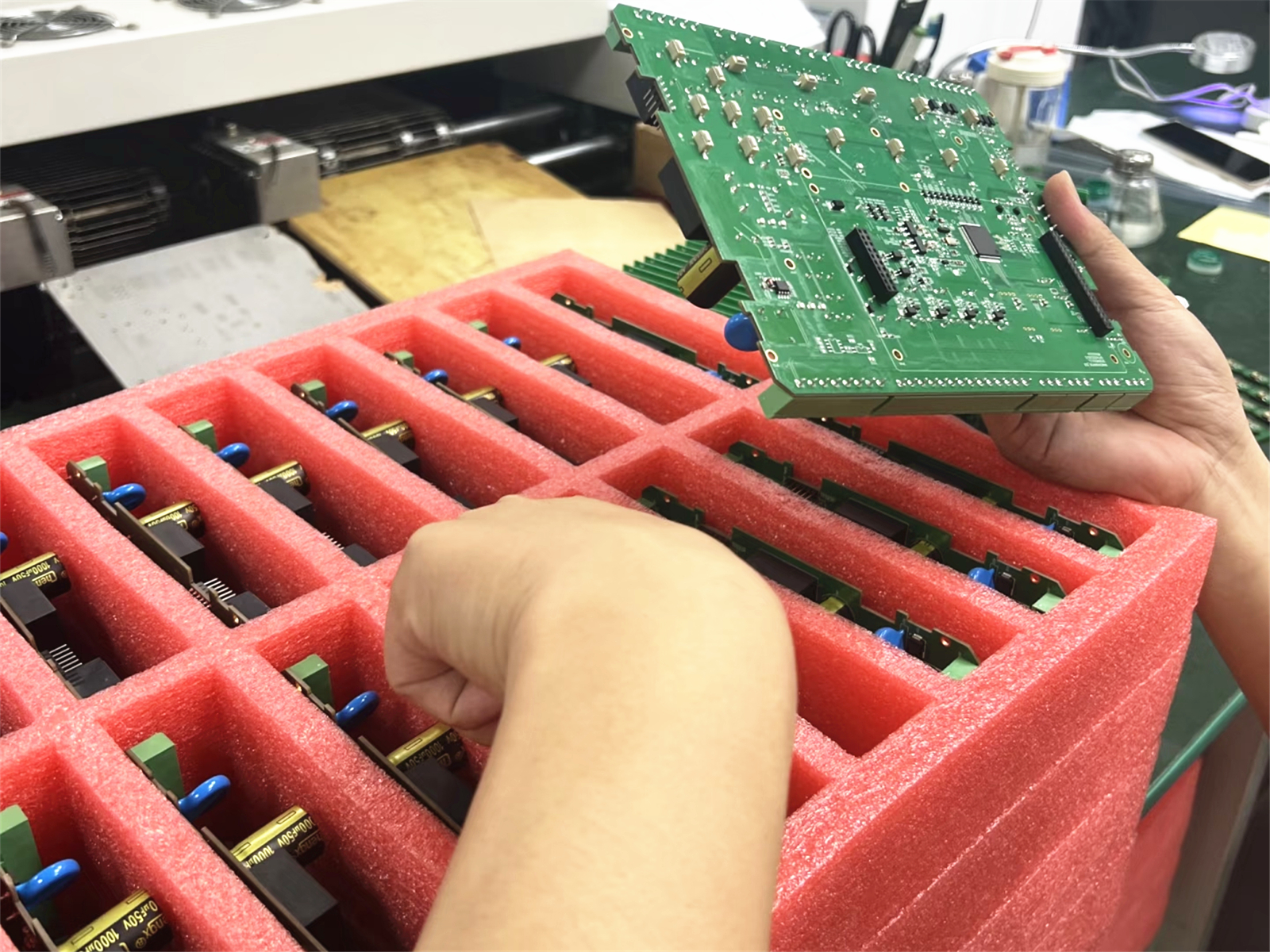
Packaging details are checked before shipment, especially for ESD protection, labels, carton arrangement, and customer-specific handling needs.
For electronics, electrostatic discharge control is not cosmetic. Many assemblies contain sensitive components, so ESD-aware handling and packaging are important during manufacturing and logistics. The ESD Association provides industry resources on electrostatic discharge control, and customers may also have their own packaging standards that we need to follow.
If you need a specific bag type, label format, batch separation, tray arrangement, carton marking, or packing quantity per box, we confirm those details before shipment. We would rather ask one more packaging question than let a shipment arrive in a way that does not fit your receiving process.
8. Shipping Details Are Checked Before Dispatch
Before dispatch, we confirm shipping information carefully. Shipping mistakes can waste time even when the boards are perfect, so this part of the process also needs human attention.
We may confirm:
- shipping address
- contact person and phone number
- courier or forwarder preference
- DHL, FedEx, UPS, or customer freight account
- commercial invoice details
- packing list details
- customs declaration information
- shipment value and description
- tracking number after dispatch
- whether partial shipment is acceptable

Before dispatch, shipping address, contact details, courier method, documents, and tracking information are checked so delivery is not left to assumption.
For international shipping, commercial terms and transport responsibilities should be clear. Many companies use Incoterms to define responsibilities for delivery, cost, and risk transfer. If a customer uses a forwarder or has a preferred courier account, we coordinate those details before the order leaves the factory.
After shipment, we provide tracking information and continue helping if there are questions about the delivery status, documents, or customs process.
9. We Continue Supporting You After Delivery
Our responsibility does not end the moment the tracking number is sent.
After delivery, customers may still need help checking quantities, confirming documents, reviewing test feedback, discussing packaging condition, or preparing the next build. If there is a quality or usage question, we help trace the issue back through the order information, files, approvals, photos, inspection notes, and production records where applicable.
For repeat projects, this follow-up is especially valuable. Feedback from one order can help improve the next order: clearer BOM fields, better packaging instructions, stronger test notes, approved alternates, or more efficient communication timing.
The best PCB assembly relationship is not only transactional. It becomes smoother as both teams learn how the product should be built, inspected, packed, and delivered.
10. Why People-Led Order Handling Matters
A PCB assembly order has too many details to be managed well by assumption alone. Files need review. EQs need answers. Production needs tracking. Packaging needs confirmation. Shipping needs accurate information. Urgent problems need fast communication.
That is why our process is people-led. We use tools, checklists, and production systems, but real people still follow the order, communicate with the customer, and take responsibility for closing open questions.
If you are preparing a new PCBA project, you can start by reviewing the PCB fabrication file checklist, checking your BOM with the BOM Readiness Checker, or sending your files through the contact page. Our team will review the details and help you clarify the next step before production.
FAQ About PCB Assembly Order Handling
Will someone review my files before production?
Yes. We review the available Gerber files, BOM, pick-and-place data, assembly drawings, testing notes, and special requirements before production planning. If something important is missing or unclear, we raise questions before moving forward.
What are engineering questions in PCB assembly?
Engineering questions are technical clarifications that need customer confirmation before production. They may involve BOM data, component alternates, polarity, DNP parts, assembly drawings, test requirements, PCB manufacturing details, or packaging instructions.
Can I receive photos before shipment?
Yes. When needed, we can provide real product photos, inspection photos, packaging photos, or outer carton photos before shipment. This is especially helpful for first builds, urgent projects, packaging-sensitive products, and remote international orders.
How do you handle urgent order issues?
If an issue may affect quality, cost, or delivery, we contact the customer quickly. For urgent matters, we can use phone calls or fast messaging channels instead of waiting through slow email cycles.
Do you confirm packaging and shipping details?
Yes. We confirm packaging requirements, labels, shipping address, contact information, courier or forwarder method, commercial invoice details, packing list information, and tracking after dispatch.
Conclusion
After you place a PCB assembly order with us, the order is not left to run silently in the background. It is reviewed, clarified, confirmed, produced, checked, packed, shipped, and followed up by people.
That human attention is what helps reduce avoidable mistakes. It keeps engineering questions visible, production progress understandable, packaging requirements clear, and shipment details accurate. For customers, the result is a PCB assembly order process that feels more transparent, more responsive, and easier to manage from quote to delivery.