
High-Frequency PCB Materials Guide: FR4, Rogers, and What Designers Should Compare
SUNTOP Electronics
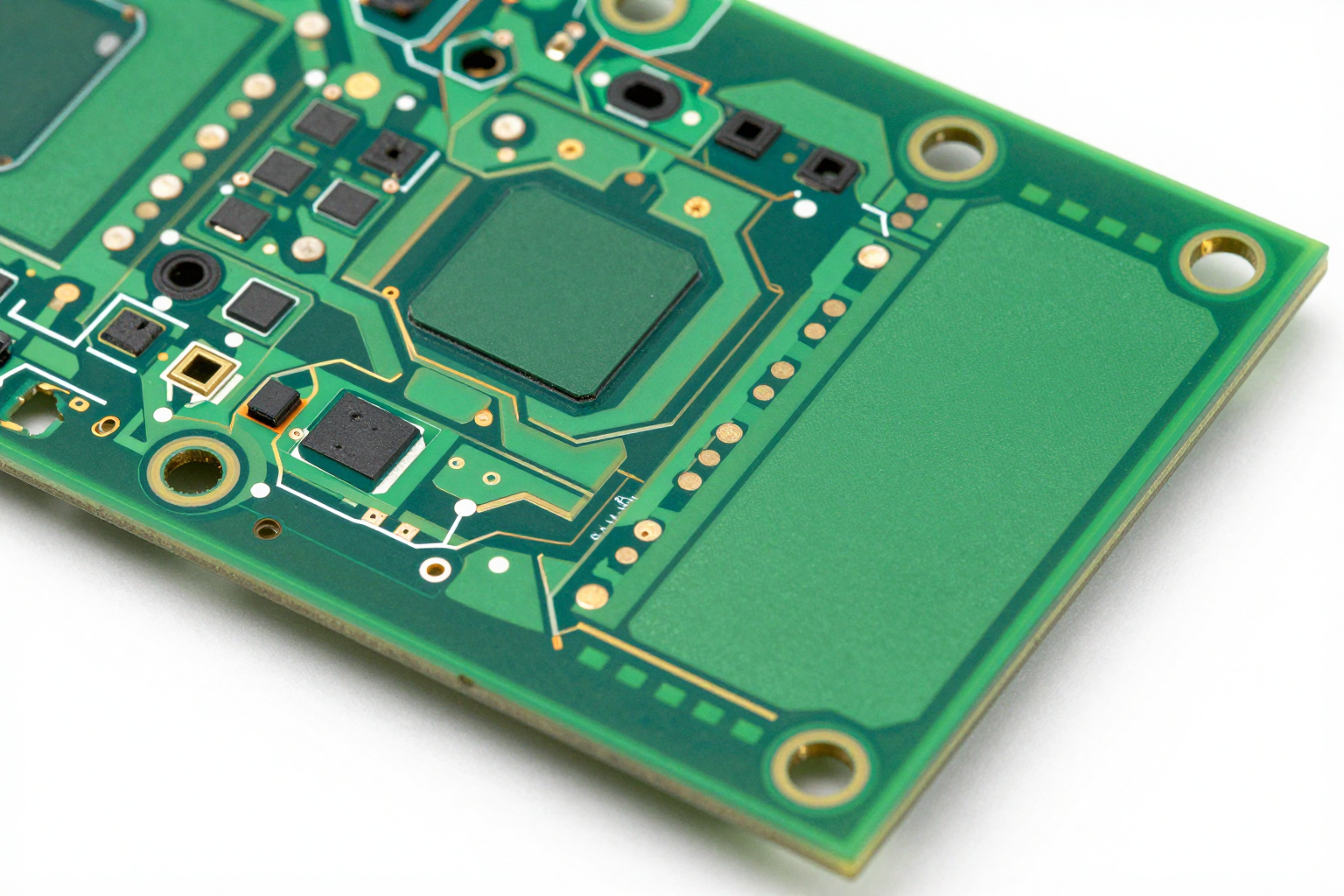
Choosing the right high frequency PCB materials is not just a laminate purchasing decision. It affects impedance stability, insertion loss, stackup feasibility, fabrication risk, and how confidently a PCB manufacturer can quote the job.
Many teams start comparing high frequency PCB materials only after signal loss or impedance issues show up in simulation review. That is late. Material choice should be discussed early, especially when the board includes RF paths, multi-gigabit digital channels, long trace lengths, controlled impedance, or mixed analog and high-speed sections.
This guide explains how to compare high frequency PCB materials in a practical way. The goal is not to say FR4 is always wrong or Rogers is always required. The goal is to help engineers and sourcing teams understand what actually changes when material performance, stackup tolerance, and supplier communication start to matter.
What High Frequency PCB Materials Are and Why They Matter
In simple terms, high frequency PCB materials are laminate systems used when signal behavior is sensitive enough that ordinary board assumptions may no longer be safe. At that point, properties such as relative permittivity, loss tangent, resin consistency, copper profile, and thermal behavior start influencing real electrical results rather than remaining background details.
That does not mean every fast board needs an exotic laminate. Some designs using short channels or moderate frequencies can still work with well-characterized FR4. But once loss budget, phase stability, impedance tolerance, or channel repeatability becomes tighter, the gap between standard FR4 and purpose-built high frequency PCB materials becomes more important.
A useful first question is not “Which brand is best?” It is “What electrical margin does this board actually need?” If the answer is still vague, material discussion should stay tied to measurable design intent rather than marketing labels.
How FR4 Compares with Rogers and Other Low-Loss Options
When engineers compare high frequency PCB materials, FR4 is usually the baseline because it is widely available, economical, and familiar to most fabricators. FR4 can still be a valid choice for many mixed-signal or lower-frequency products where the electrical window is forgiving and the board does not depend on ultra-low dielectric loss.
However, FR4 is not one single electrical standard. Different FR4 families can vary in dielectric constant stability, resin system, glass style, and loss performance. That is why “FR4 versus Rogers” should not be treated as a slogan. It should be treated as a comparison between a known stackup target and a known performance requirement.
Low-loss laminates from Rogers and similar suppliers are typically evaluated when designers need better signal retention, more stable dielectric behavior across frequency, or tighter control for RF and microwave structures. Rogers itself provides technical data for these laminate families on its high-frequency laminates overview.
Other materials may also be appropriate when teams need a balance between electrical performance and manufacturing cost. In real projects, the shortlist often includes standard FR4, enhanced FR4, hybrid stackups, and specialty low-loss laminates rather than only one premium option.
Where FR4 may still be enough
FR4 may remain acceptable when routing is short, attenuation budget is not extreme, impedance targets are manageable, and the product can tolerate more variation. It can also make sense for prototypes where the team wants to validate architecture before committing to more specialized material cost.
When low-loss laminates deserve serious review
Low-loss materials deserve stronger review when the board has long RF routes, sensitive phase relationships, microwave structures, demanding insertion-loss targets, or performance that depends on stable Dk and Df across operating conditions.
What Designers Should Review Besides Dielectric Constant Alone
A common mistake when selecting high frequency PCB materials is reducing the decision to dielectric constant alone. Dk matters, but it is only one part of a system-level decision.
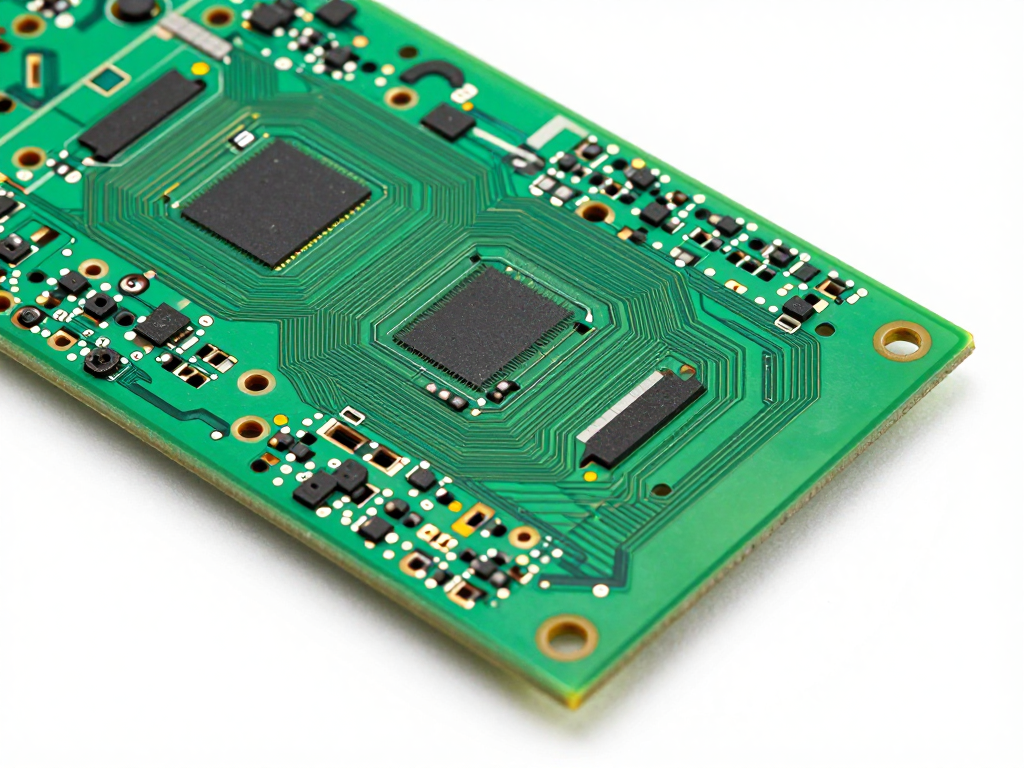
Material choice affects more than dielectric constant alone: routing density, laminate consistency, and fabrication precision all influence whether a high-frequency board is practical to build repeatedly.
Design teams should also review:
- loss tangent and its effect on attenuation
- laminate thickness options that influence impedance geometry
- copper roughness and conductor-loss impact
- thermal behavior through reflow and operating cycles
- dimensional stability for multilayer lamination
- availability of prepreg and compatible stackup combinations
- lead-time and sourcing consistency for production volumes
If your board depends on impedance-controlled routing, it helps to sanity-check geometry early with the Online Impedance Calculator and revisit FR4 assumptions with the FR4 Dielectric Constant tool. Those tools do not replace field solving or supplier review, but they help teams discuss material choices with clearer expectations.
Another point that gets missed is manufacturability. Some low-loss laminates machine, laminate, or register differently from common FR4 constructions. If the design also uses fine pitch assembly, controlled thickness, or hybrid stackups, material choice affects not just signal integrity but also fabrication planning and quote accuracy.
Common Material-Selection Mistakes That Delay Quoting or Redesign
The most expensive material-selection problems usually start as communication gaps.
One common mistake is naming a brand family without defining the real stackup intent. A board file may mention Rogers, but not specify which laminate, which core and prepreg combination, what target thickness matters, or whether a hybrid build is acceptable. That leaves the supplier guessing.
Another mistake is assuming the lowest-loss option is automatically the best choice. Over-specifying high frequency PCB materials can raise cost, limit sourcing flexibility, and slow quoting without solving the actual design bottleneck.
Teams also run into trouble when simulation assumptions, BOM notes, and fabrication documentation do not match. If the electrical model used one dielectric profile while the release package points vaguely to a different family, the quote may look clean on paper but still be wrong for the intended performance.
A final mistake is postponing supplier discussion until files are already frozen. For high frequency PCB materials, early review is especially valuable because material availability, stackup construction, impedance coupons, and process compatibility may all influence what is practical.
How to Communicate Material Intent Clearly to a PCB Manufacturer
A strong release package should make the intended material system explicit enough that the fabricator can review the design without reverse-engineering your priorities.
At minimum, the package should state:
- target stackup or approved material families
- controlled impedance requirements and which layers matter
- nominal finished thickness and copper assumptions
- whether hybrid construction is acceptable
- any RF-critical nets or structures that drive the choice
- what can be substituted and what cannot
It is also helpful to tell the supplier whether the job is an exploratory prototype, a performance-validation build, or a production-intent release. That context changes how engineers interpret laminate alternatives and cost tradeoffs.
If your team wants a pre-quote discussion about manufacturability, stackup options, or sourcing risk, use the contact page before release. That conversation is often the fastest way to turn a vague material request into a buildable package.
FAQ About High Frequency PCB Materials
Are high frequency PCB materials only for RF boards?
No. These materials are common in RF designs, but they are also relevant for high-speed digital products when channel loss, impedance stability, or timing margin becomes sensitive enough that ordinary laminate assumptions are no longer reliable.
Is Rogers always better than FR4?
No. Rogers and similar low-loss options can be better for some electrical targets, but “better” depends on frequency range, trace length, loss budget, manufacturability, and cost. In some designs, FR4 is still the more sensible choice.
Can different high frequency PCB materials be mixed in one stackup?
Yes, hybrid constructions are possible in some projects, but they need early discussion with the fabricator because thickness control, lamination flow, and cost can change quickly when different material families are combined.
Conclusion
Comparing high frequency PCB materials well means balancing electrical performance, manufacturing realism, and sourcing clarity. The right answer is rarely a simple brand preference. It comes from understanding what the board must do, where FR4 is still acceptable, where low-loss laminates add real value, and how clearly that intent is documented before fabrication.
When engineering and sourcing teams define those tradeoffs early, quotes become more accurate, redesign risk goes down, and the path from simulation to production becomes much cleaner.