
刚柔结合
(98 条评论)
刚柔结合
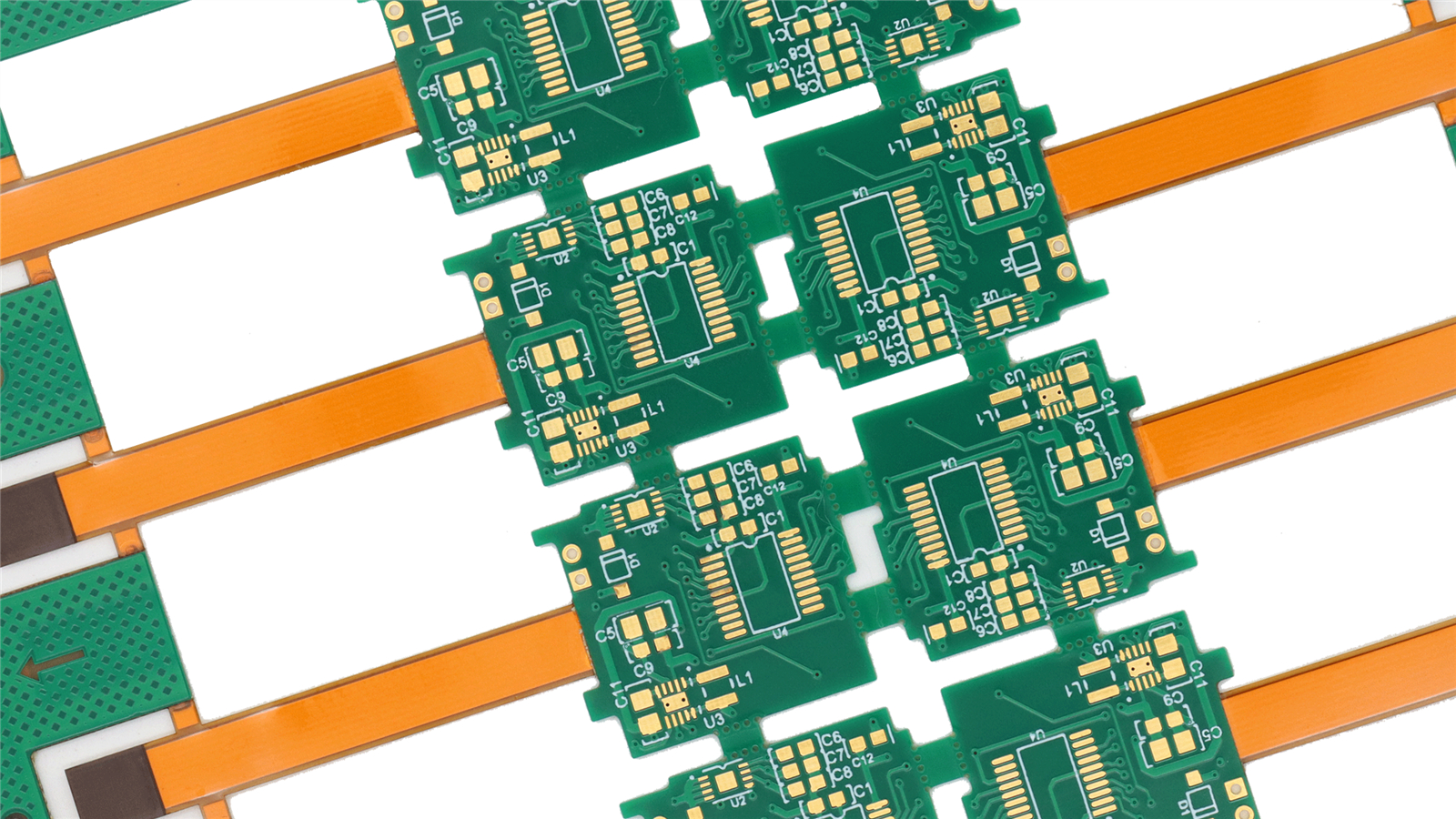
刚柔结合PCB
刚性和柔性部分的结合,用于复杂的3D封装解决方案
主要特点
3D设计
复杂的空间排列
混合结构
刚性+柔性部分
节省空间
消除连接器
高可靠性
减少焊点
技术规格
| 层数 | 最高20层 |
| 刚性厚度 | 0.4mm - 3.2mm |
| 柔性厚度 | 0.1mm - 0.3mm |
| 最小过孔 | 0.1mm 直径 |
| 应用 | 医疗, 航空航天, 移动设备 |
工程注意事项
报价前的制造审查
Rigid-flex production depends on both electrical stackup and mechanical behavior. Early review reduces risks around bend areas, stiffeners, lamination, assembly handling, and final fit.
- Define bend radius, bend direction, dynamic or static flexing, flex length, stiffener zones, and the number of expected bend cycles.
- Review rigid-to-flex transitions, coverlay, adhesive, layer symmetry, copper features, component keepouts, and mechanical tolerances together.
- Share the 3D mechanical context, assembly sequence, support tooling, and any constraints around connectors, shields, or enclosure fit.
典型应用
医疗, 航空航天, 移动设备