
Prototype PCB Assembly Guide - Korean
Winnie King
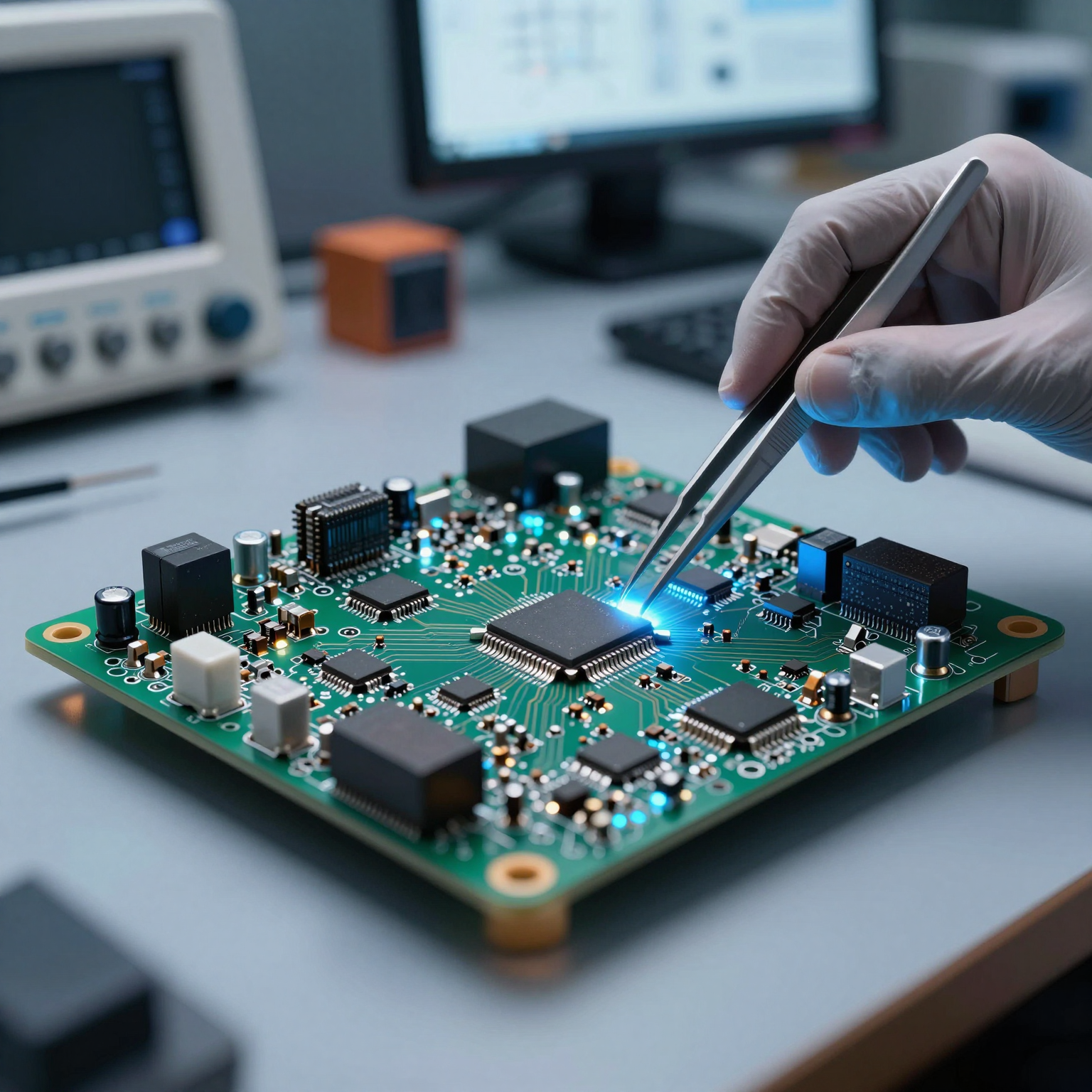
In the fast-evolving world of electronics, speed, accuracy, and reliability are non-negotiable. Whether you are a startup developing a groundbreaking IoT device or an established company iterating on existing technology, the journey from idea to market-ready product hinges on one critical phase: Prototype PCB Assembly.
This stage allows engineers and designers to validate their circuit designs, test functionality, and identify potential flaws before moving into full-scale manufacturing.
What Is Prototype PCB Assembly?
Prototype PCB Assembly refers to the process of assembling electronic components onto a printed circuit board (PCB) for the purpose of testing and validation. Unlike mass production runs, prototype assemblies are typically produced in small quantities.
Why Prototyping Matters
- Design errors caught during PCB Sample testing can prevent expensive redesigns later.
- Component placement issues revealed early improve yield rates in volume production.
- Firmware and hardware can be co-developed and debugged simultaneously.
- Regulatory compliance and safety standards can be preliminarily assessed.
The Role of PCB Sampling in Product Development
A key component of successful prototyping is PCB Sampling-the creation of a limited batch of circuit boards designed to represent the final product.
1. Proof of Concept (PoC)

At the earliest stage, a basic PCB Sample helps demonstrate that the core idea works.
2. Functional Testing
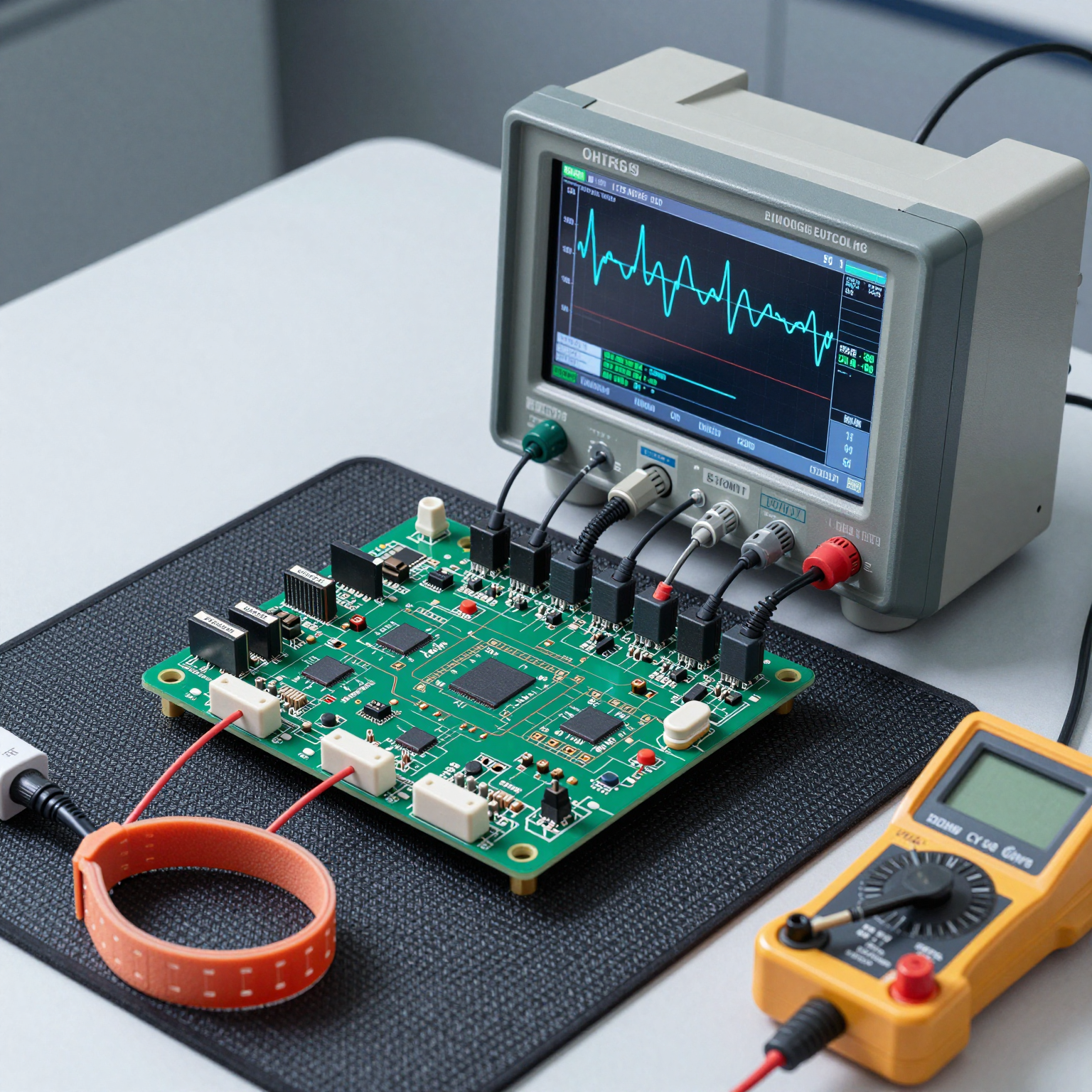
Once the initial concept is validated, more refined prototypes undergo rigorous functional testing.
3. Design for Manufacturability (DFM)
During PCB Sampling, manufacturers analyze the layout for potential production issues such as:
- Insufficient trace spacing
- Incorrect pad sizes
- Component accessibility for automated assembly
- Thermal relief considerations
4. Client and Stakeholder Review
Physical prototypes provide tangible evidence of progress.
Key Steps in the Prototype PCB Assembly Process
Step 1: Design Finalization and File Submission
- Schematic capture
- PCB layout (using tools like Altium Designer, KiCad, or Eagle)
- Generation of Gerber files, drill files, and bill of materials (BOM)
Step 2: Component Sourcing
Reputable manufacturers often offer electronic component sourcing services.
Step 3: PCB Fabrication
Quick-turn fabrication services deliver boards in as little as 24-72 hours.
Step 4: Assembly Method Selection
- Surface Mount Technology (SMT): Ideal for compact, high-density designs.
- Through-Hole Technology (THT): Used for larger components requiring mechanical strength.
For more details, read our guide on SMT vs through-hole assembly.
Step 5: Reflow and Wave Soldering
After component placement, soldering follows with AOI inspection.
Step 6: Testing and Validation
- Power-on tests
- In-circuit testing (ICT)
- Functional testing using custom jigs
Benefits of Professional Prototype PCB Assembly Services
Faster Time-to-Market
Experienced manufacturers have streamlined workflows.
Higher Quality and Reliability
Professional facilities adhere to strict quality standards (IPC-A-610 Class 2/3).
Access to Advanced Technologies
See our article on BGA assembly challenges.
Scalability
A good prototype partner can seamlessly transition your project to high-volume production.
Choosing the Right Partner for Your Prototype Needs
Turnaround Time
Some companies deliver assembled boards in 5-7 days or less.
Minimum Order Quantity (MOQ)
Ensure the manufacturer supports low MOQs suitable for PCB Sampling.
Technical Capabilities
Explore detailed information about PCB manufacturing capabilities.
Support and Communication
If you are ready to move forward, do not hesitate to get a PCB quote.
Common Challenges in Prototype PCB Assembly
1. Incomplete or Inaccurate BOM
Always double-check part numbers, values, tolerances, and package types.
2. Poor Layout Practices
Refer to PCB surface finishes guide.
3. Overlooking Test Points
Design test points into your board early.
4. Ignoring Thermal Management
Ensure adequate copper pours, thermal vias, or heatsinks are included.
Conclusion
Prototype PCB Assembly is a strategic investment in your products success.
Connect with a trusted PCB assembly manufacturer and start your journey from prototype to product.