
UL Certification for PCB: What Buyers Should Confirm Before Manufacturing
SUNTOP Electronics
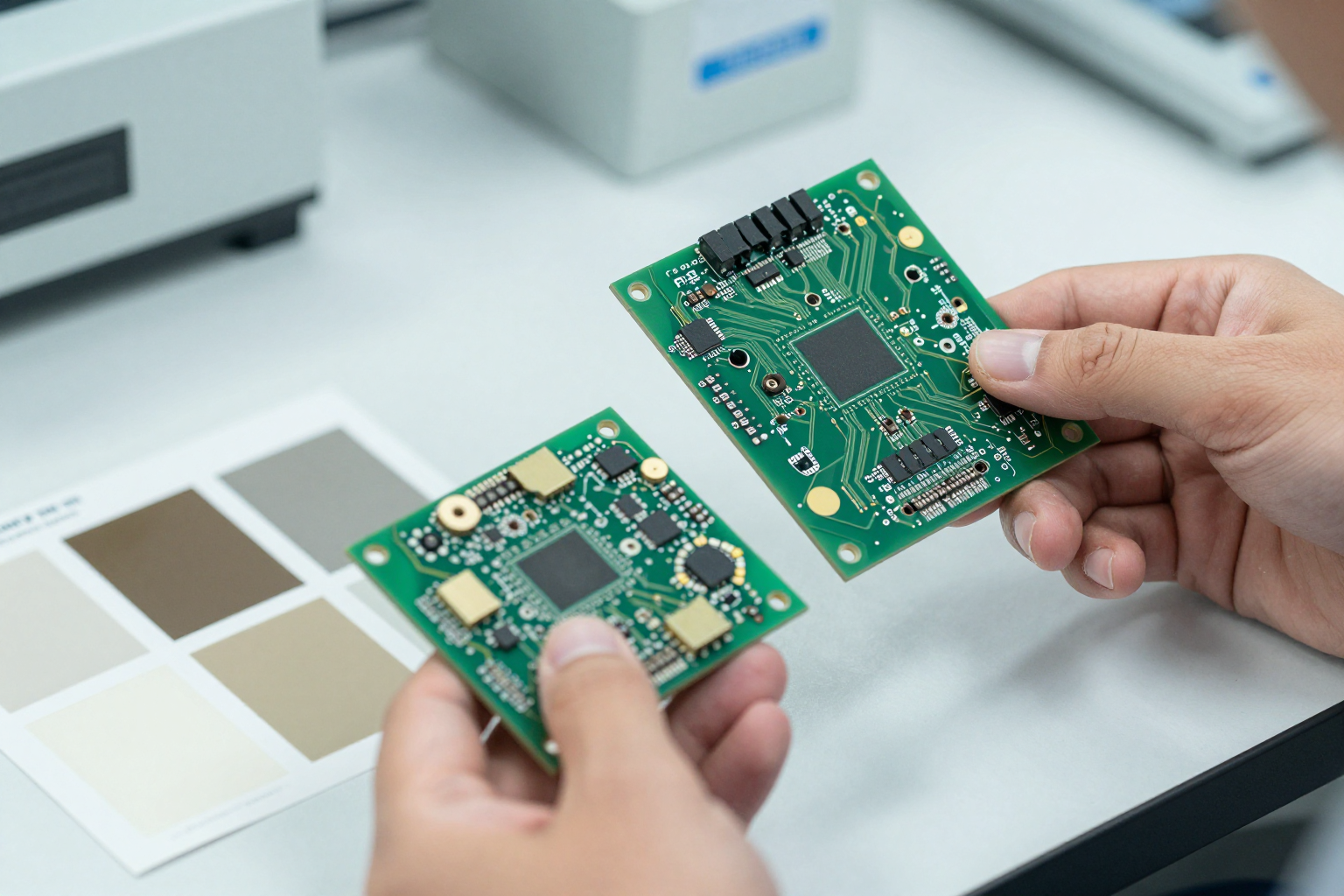
UL certification for PCB usually enters the conversation when a buyer needs confidence that the board, the material system, and the manufacturing route align with product-safety or compliance requirements. In practice, teams are rarely asking only about a logo. They are asking whether the board stackup, laminate selection, file package, and supplier controls match the compliance path expected for the end product.
That is why UL certification for PCB should be handled as an early release check, not a last-minute purchasing question. If the requirement appears only after layout, sourcing, and quoting are already moving, teams often discover that material choices, documentation, or supplier assumptions are no longer aligned.
This article explains how UL certification for PCB is usually discussed in manufacturing projects, what buyers should verify before sending files out, and where a PCB or PCBA supplier can help clarify the real production constraints without turning the topic into vague compliance theater.
What UL Certification for PCB Actually Means in Manufacturing Conversations
UL certification for PCB does not mean every board project follows the same approval path. What it usually means is that the product team needs the bare board and related materials to fit a recognized safety framework that supports the finished product's certification strategy.
For sourcing and engineering teams, the practical question is not only, "Does the supplier mention UL?" It is, "Which board construction, material family, and manufacturing controls are actually being used, and do they match the intended certification requirement?" That is why supplier answers should be specific about board type, laminate system, copper structure, and any other construction details that affect compliance handling.
Official guidance from UL Solutions on printed wiring boards certification is useful here because it shows that the discussion is tied to board construction and follow-up control, not just marketing language. Buyers should also know how certification marks are used and interpreted, which is why the UL Marks Hub is a helpful reference when teams want to confirm what a mark does and does not imply.
Where UL Certification for PCB Fits in PCB Fabrication and PCBA Projects
UL certification for PCB usually matters before production release, not after the first shipment. If the board will support a regulated end product, the compliance expectation should be visible while the team is still confirming stackup, base material, thickness, copper weight, and supplier route.
In fabrication-only projects, the focus is often on whether the chosen material system and board construction match the compliance path that the customer expects. In full turnkey or consigned assembly projects, that same requirement can also affect how the supplier manages traceability, incoming material handling, and release-package review. This is one reason a broader manufacturing discussion with your PCB manufacturing capabilities partner is useful before the quote becomes a locked commercial transaction.
It is also important to separate UL-oriented questions from broader process-control topics. IPC guidance helps teams discuss workmanship, documentation, and process expectations, but IPC and UL are not interchangeable. If your team needs a quick refresher on the process side, the existing IPC standards guide for PCB manufacturing is the better place to frame that conversation. The official IPC standards overview is also useful when teams need to explain why manufacturing quality standards and product-safety certification checks solve different problems.
What Materials and Release Data Matter for UL Certification for PCB
When teams talk about UL certification for PCB, the most important checkpoints are usually material identity, board construction consistency, and release-package clarity. That starts with the laminate system. If a project expects a certain recognized material family, the supplier should be able to confirm that the intended build actually uses it rather than a visually similar substitute.
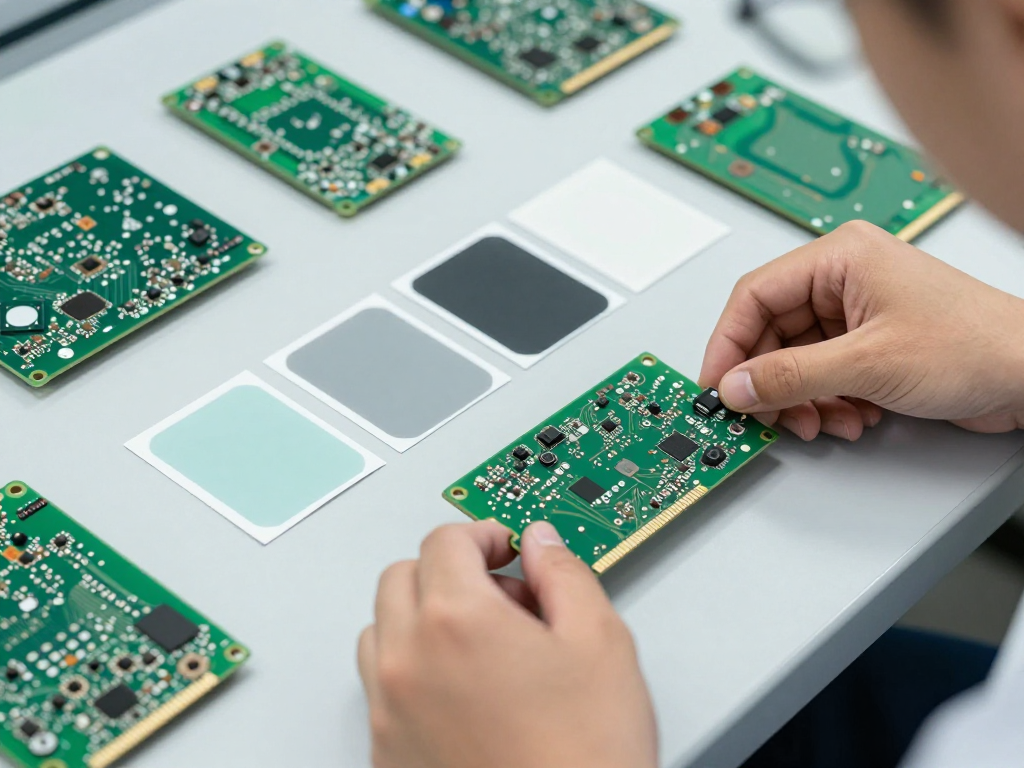
Material reviews work best when the intended board build, laminate choice, and release-package details are aligned before quoting or production.
The second checkpoint is stackup and construction discipline. A compliance-sensitive board should not be released with vague instructions such as "use equivalent material if needed" unless the customer has already defined what equivalence means in that certification context. If the project needs a specific base material family, copper balance approach, thickness window, or flame-rating-related property, those expectations should be made visible before quoting and purchasing decisions are finalized.
The third checkpoint is document coherence. Gerber data, fabrication notes, stackup information, and commercial communication should tell the same story. If the stackup note says one thing, the quote assumes another, and procurement approves a third option, the real risk is not paperwork. The risk is that the manufactured board no longer matches the intended compliance route.
A useful release review should therefore confirm:
- the laminate or dielectric family expected for the build
- whether substitutions are allowed and who must approve them
- stackup details that should stay fixed through quoting and production
- whether fabrication notes reflect the same material intent as the commercial package
- whether the supplier has enough information to flag a mismatch before production starts
This is where UL certification for PCB becomes an engineering communication issue as much as a compliance one. Many avoidable problems start when teams assume the supplier will infer the right material rules from partial notes.
Common Gaps That Slow UL Certification for PCB Approval or Quoting
One common problem is late disclosure. A buyer asks for standard pricing first and only later says that the board must follow a UL-sensitive material or construction path. At that point, the quoted route, approved material, or supply plan may already be drifting away from the real requirement.
Another problem is unclear substitution control. Procurement may intend to allow alternatives for cost or availability, while engineering assumes the original laminate must remain fixed. If nobody defines the approval rule clearly, the supplier is left guessing which change is acceptable and which one breaks the compliance expectation.
A third gap is using broad wording instead of concrete release instructions. Phrases such as "UL material required" are often too loose on their own. They do not tell the factory which material family, board construction, or approval constraint actually matters. The result is more clarification loops, slower quoting, or a board that needs to be re-reviewed before build release.
Teams also create trouble when they treat certification as separate from the supplier handoff package. In real production, compliance-sensitive work depends on practical file control. Revision drift between stackup notes, approved material assumptions, and manufacturing files can damage trust faster than any single technical mistake.
How to Discuss UL Certification for PCB With Your Supplier
The most effective way to handle UL certification for PCB is to bring it into the quotation and release discussion early, with enough detail for the supplier to answer concretely. A good conversation is not, "Can you do UL?" A better conversation is, "This product needs a board construction and material route that supports our certification path. Here is what must stay fixed, and here is what may still be flexible."
That lets the supplier review the request in the right order. First, confirm the required board type and material logic. Second, identify whether any requested substitutions or open items could create a compliance mismatch. Third, align fabrication notes, sourcing assumptions, and approval rules before the build enters production control.
For buyers, a short checklist helps:
- state early whether the project has UL-sensitive material or construction requirements
- identify which stackup or laminate details are mandatory versus reviewable
- ask the supplier to flag compliance-related substitution risk before release
- keep fabrication notes, quote assumptions, and internal approvals consistent
- clarify whether the request covers bare-board supply only or full PCBA execution as well
If the requirement is still being defined, it is better to pause and align the release package than to push ambiguous files into production. When a board needs both manufacturing review and a compliance-aware discussion, the clean next step is usually a direct conversation through the contact page so the supplier can review the real scope before quoting or build release.
FAQ About UL Certification for PCB
Does every PCB project need UL certification?
No. UL certification for PCB depends on the end-product path and customer requirement. Some projects need it clearly, while others are driven more by general manufacturing quality, reliability, or customer-specific documentation rules.
Is UL certification the same as IPC compliance?
No. IPC standards focus on design, fabrication, assembly, and workmanship expectations, while UL-oriented requirements are tied to product-safety certification paths and recognized constructions. Teams often need both conversations, but they are not the same conversation.
What should a buyer provide when asking about UL certification?
A buyer should provide the expected board use context, any fixed material or stackup constraints, and clear instructions on whether substitutions are allowed. The more coherent the release package is, the easier it is for the supplier to confirm fit before production.
Can a supplier decide material substitutions without customer approval?
That should never be assumed. If UL certification for PCB matters to the project, substitution authority should be defined explicitly so engineering, sourcing, and the supplier are all working from the same rule set.
Conclusion
UL certification for PCB is not just a label-checking exercise. It is a release-discipline issue that touches material choice, stackup control, supplier communication, and document consistency.
When teams define the requirement early and ask the supplier to review the real construction constraints, quoting gets cleaner and compliance risk becomes easier to manage. That is the practical value of treating the topic as part of manufacturing readiness instead of waiting until the board is already on its way to production.