
Medical Device PCB Assembly Guide: Documentation, Traceability, and Supplier Review Points
SUNTOP Electronics
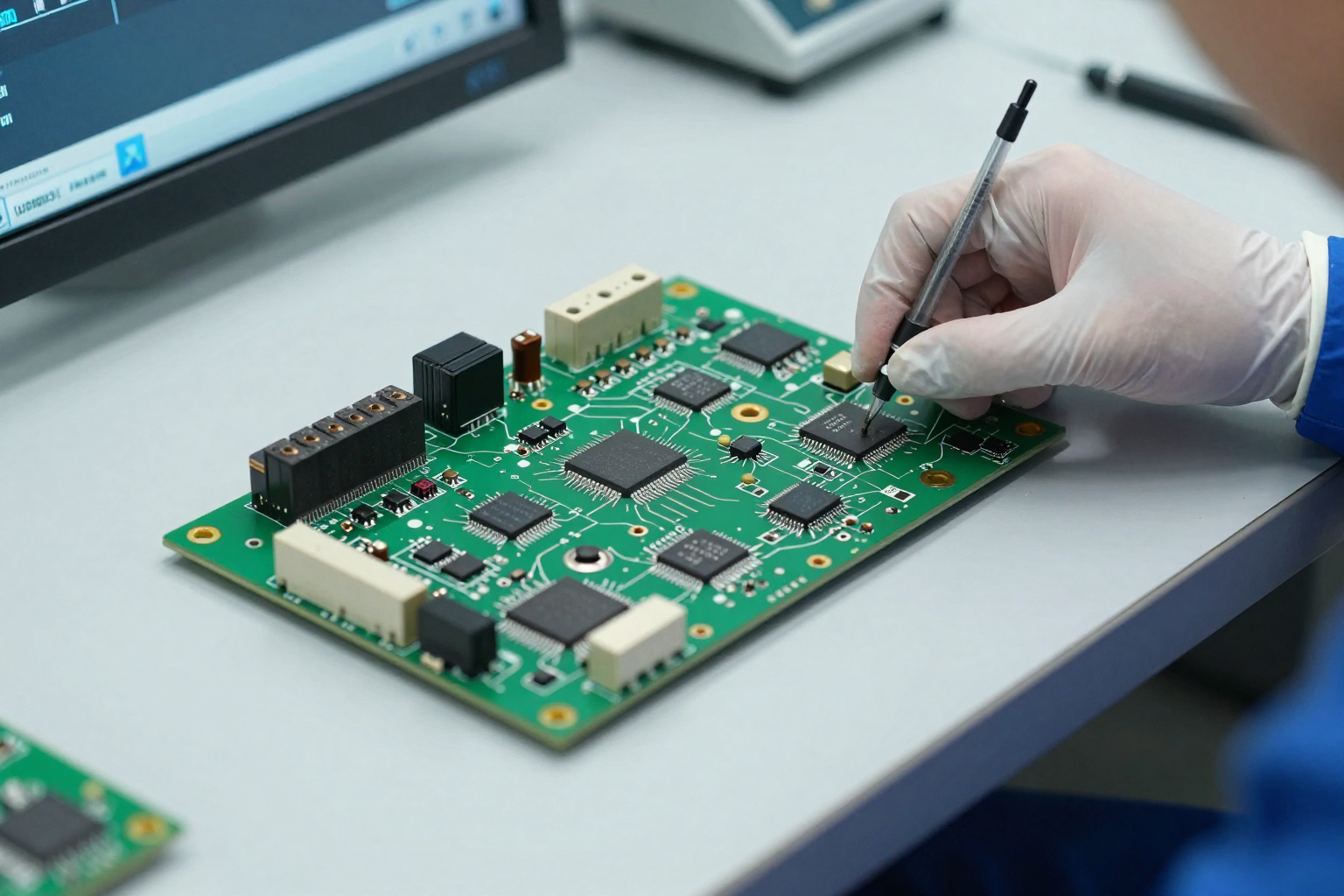
Medical device PCB assembly is usually reviewed with stricter assumptions than general-purpose PCBA. When a board supports monitoring, diagnostics, imaging, therapy delivery, laboratory instruments, or connected clinical equipment, the conversation quickly moves beyond solder quality alone. This type of electronics assembly usually needs clearer expectations around documentation, change control, traceability, test coverage, and how issues are escalated.
That does not mean every project follows the same regulatory path. It does mean the build package should be quoted and released with fewer hidden assumptions than ordinary commercial electronics. Buyers and engineers need to explain what the product does, what quality records matter, and what process controls should be visible before fabrication and assembly start.
This guide explains medical device PCB assembly in practical terms. The goal is to help engineering teams and sourcing managers ask better supplier questions, reduce avoidable release delays, and prepare a cleaner handoff package before quoting, manufacturing review, and test planning begin.
What Makes Medical Device PCB Assembly Different from General PCBA
The biggest difference is not that this work uses completely different assembly physics. The difference is that documentation quality, revision control, product-risk awareness, and issue handling usually receive more scrutiny.
In many medical electronics programs, one escaped defect can create expensive validation delays, service risk, or customer documentation problems even if the board itself is not especially exotic. That is why supplier discussions for medical electronics should move past broad claims like “high quality” and focus on what controls are actually in place.
In practice, supplier review for this kind of build is often shaped by three questions:
- What environment and use case the board supports
- What records and controls must be maintained across changes
- What test and containment actions are expected if something goes wrong
When those points are vague, quoting slows down and quality expectations drift.
Reliability, Documentation, and Change-Control Priorities in Medical Electronics
For medical electronics, reliability review should start with the real product context rather than marketing language. Some products need stable long-life operation, some face repeated cleaning cycles, and others depend on careful handling of connectors, sensors, batteries, or calibration-sensitive circuits.
This kind of build also tends to demand stronger document discipline. Teams should know which BOM revision is approved, which substitutions are allowed, how firmware and hardware revisions are tied together, and who signs off on process changes. Even when a board is still at prototype stage, weak change control can create avoidable confusion later.
Many teams use references such as the FDA's Quality Management System Regulation and the ISO 13485 standard overview to frame documentation and quality-system expectations. Those references do not mean every supplier or project follows the same formal path, but they help explain why these programs usually require more explicit records, approvals, and escalation rules than consumer work.
Design and Release-Package Checks Before Sending a Medical PCBA for Quote
A surprising number of project delays start before production. Quote friction often comes from incomplete release data, unclear approved parts, missing cleanliness or handling notes, or test expectations that were only discussed verbally.
Before sending a build package, it helps to confirm:
- Gerber, drill, BOM, and pick-and-place data all match the same revision
- Critical component approvals and substitution limits are written clearly
- Programming, serialization, labeling, or lot-tracking expectations are stated up front
- Handling notes for sensitive parts, cleaning restrictions, or packaging needs are included
- Inspection and electrical test expectations are described instead of assumed
When the release package is incomplete, the supplier is forced to guess what matters. That is risky in any project, but it is especially risky when medical device PCB assembly needs orderly documentation and cleaner review trails.
Supplier Review Points for Traceability, Test, Cleanliness, and Quality Communication
A useful supplier discussion is usually built around operational clarity rather than promises. For this kind of build, buyers should ask what can be traced, what test steps are standard, how cleanliness-related handling is managed, and how nonconforming material is isolated and reported.
Ask practical questions such as:
- What material and lot information can be traced at board or batch level
- How revision changes are communicated and controlled through the build cycle
- What inspection, in-circuit, or functional test steps are standard versus optional
- How suspect boards are segregated, reviewed, and reported back to the customer
- What handling, storage, or packaging controls apply when product sensitivity is high
A supplier with disciplined process communication should be able to answer those points concretely. If your team is reviewing broader industry support or comparing available quality testing services, that context can help align the expected process scope before RFQ.
Common Mistakes When Sourcing Medical Device PCB Assembly Support
One common mistake is treating the work as ordinary PCBA plus a stricter inspection request. In reality, documentation flow, approved-component control, traceability depth, handling requirements, and test intent may all need to be discussed before a supplier can give a realistic answer.
Another mistake is assuming the term “medical” means the same thing to every supplier. Some programs need extensive documentation and formal quality-system alignment. Others mainly need disciplined traceability, controlled change communication, and reliable assembly execution. If the buyer does not explain the true product context, the quote discussion can quickly become misleading.
A third mistake is revealing sensitive requirements too late. If the board needs serialization, firmware loading control, special packaging, restricted substitutions, or a defined failure-reporting path, late disclosure can affect tooling, test planning, schedule, and cost.
The last mistake is asking for guarantees that are not backed by clear process inputs. Strong results here come from a clean release package, controlled sourcing, disciplined assembly, suitable inspection and test, and realistic communication between customer and supplier.
FAQ About Medical Device PCB Assembly
Does medical device PCB assembly always require formal certification review?
Not always. Requirements depend on the product type, customer expectations, market, and program stage. Some projects need deeper quality-system alignment and more records, while others mainly need stronger documentation and traceability discipline than general commercial builds.
What should buyers send before asking for a medical device PCB assembly quote?
At minimum, buyers should provide the latest release package, expected build stage, critical parts list, any substitution limits, test expectations, and special handling or packaging notes. The clearer the package, the easier it is for a supplier to review build risks early.
Is AOI enough for medical device PCB assembly quality control?
Usually not by itself. AOI can be valuable, but the job often needs a broader plan that may include electrical test, functional verification, traceability records, and a defined response path when failures appear.
Conclusion
Good planning for medical-related electronics work starts before the first board is built. When engineering and sourcing teams define documentation needs, revision control, traceability expectations, and test intent early, medical device PCB assembly can be reviewed with fewer assumptions and fewer late surprises.
If your team is preparing a medical electronics build and wants a practical manufacturability and process review, use the contact page to align requirements before final release.