
Electronic Components Sourcing for PCB Assembly: A Strategic Guide
Winnie King
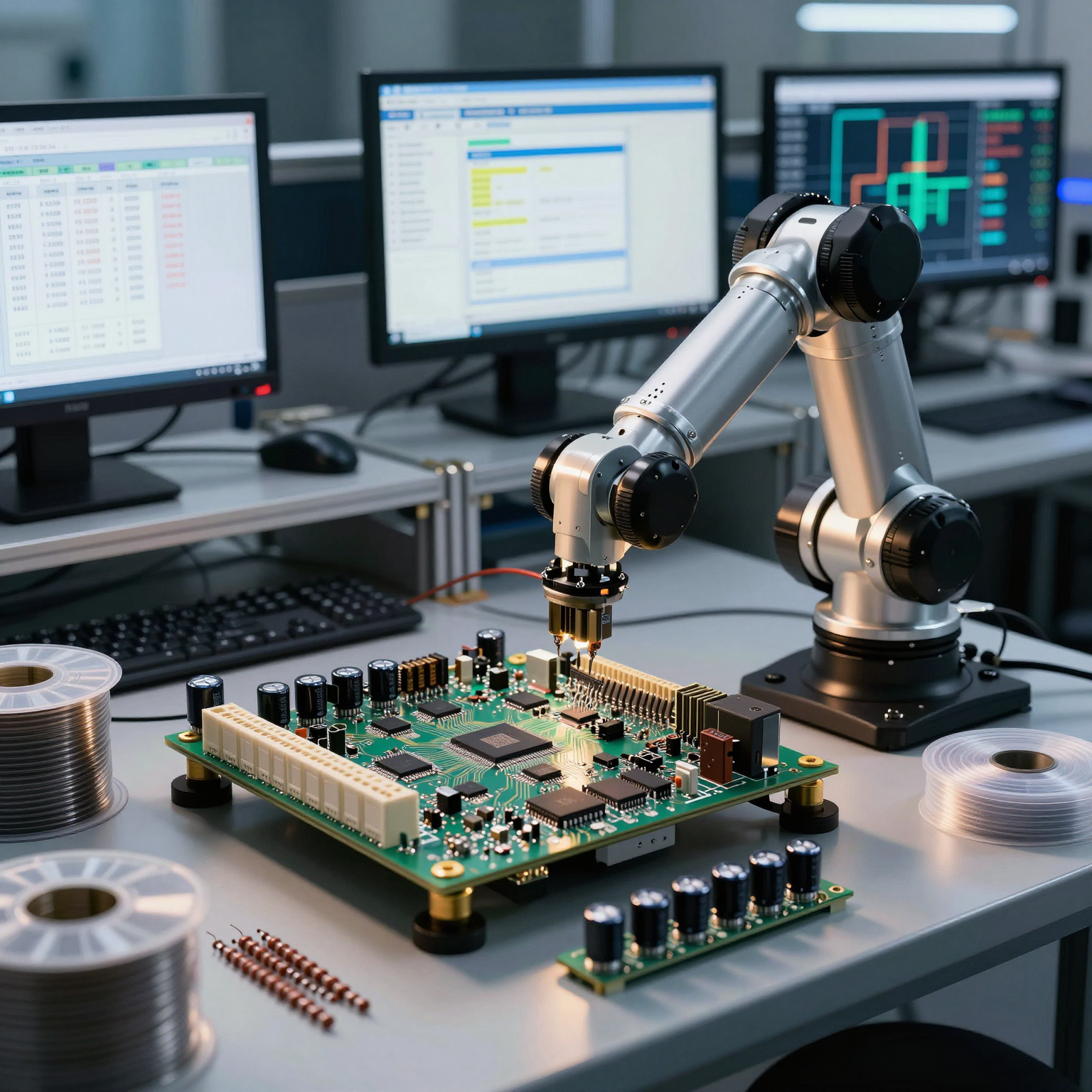
In today’s fast-paced electronics industry, the success of a printed circuit board (PCB) project hinges not just on design excellence but also on reliable and efficient Electronic Components Sourcing for PCB Assembly. Whether you're developing consumer gadgets, industrial control systems, or medical devices, securing the right components at the right time is critical to meeting production deadlines, maintaining product quality, and controlling costs.
This guide explores the essential aspects of electronic components sourcing, offering insights into best practices, common challenges, and strategic solutions that ensure your PCB assembly process runs smoothly from prototype to mass production.
Why Electronic Components Sourcing Matters in PCB Assembly
The journey from schematic to functional circuit board begins with component selection—and ends with their availability. Delays or shortages in obtaining key parts can halt production lines, inflate budgets, and damage customer relationships. Effective Electronic Components Sourcing for PCB Assembly ensures:
- Consistent component availability throughout the product lifecycle
- Compliance with technical specifications and quality standards
- Cost-effective procurement without sacrificing reliability
- Mitigation of counterfeit or substandard parts
With global supply chains facing ongoing disruptions—from semiconductor shortages to geopolitical tensions—proactive sourcing has become a competitive advantage rather than just a logistical task.
Key Stages of Electronic Components Sourcing for PCB Assembly
1. Bill of Materials (BOM)
Analysis
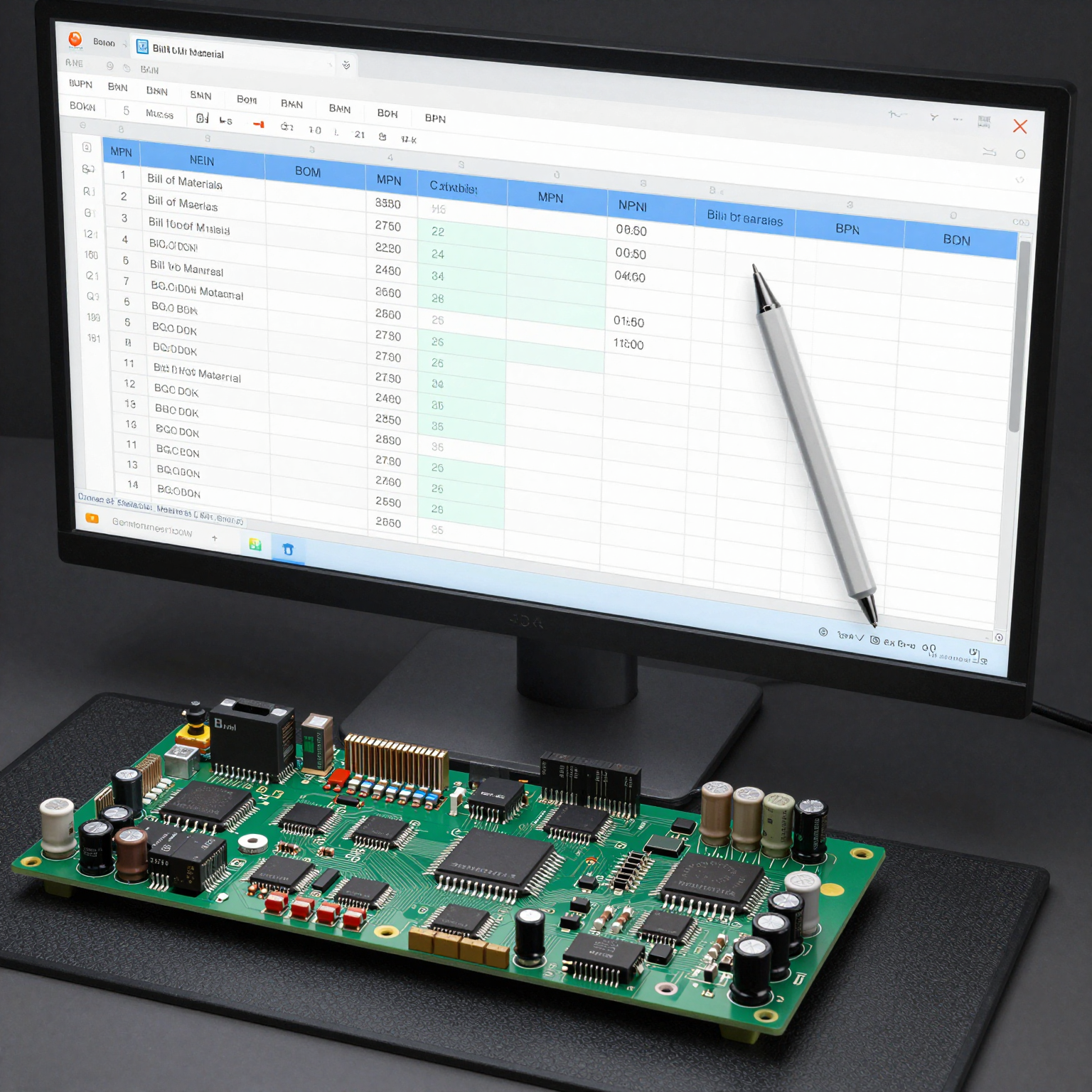
Before any sourcing begins, engineers must finalize a comprehensive Bill of Materials. This document lists every passive and active component required for the PCB, including resistors, capacitors, integrated circuits (ICs), connectors, and more. Each entry should include:
- Manufacturer Part Number (MPN)
- Description and specifications
- Quantity per board
- Lifecycle status (active, obsolete, end-of-life)
A well-documented BOM serves as the foundation for accurate quoting, inventory planning, and supplier engagement. Inaccurate or incomplete BOMs are one of the leading causes of sourcing delays.
2. Supplier Identification
and Qualification
Once the BOM is ready, the next step is identifying qualified suppliers. These may include:
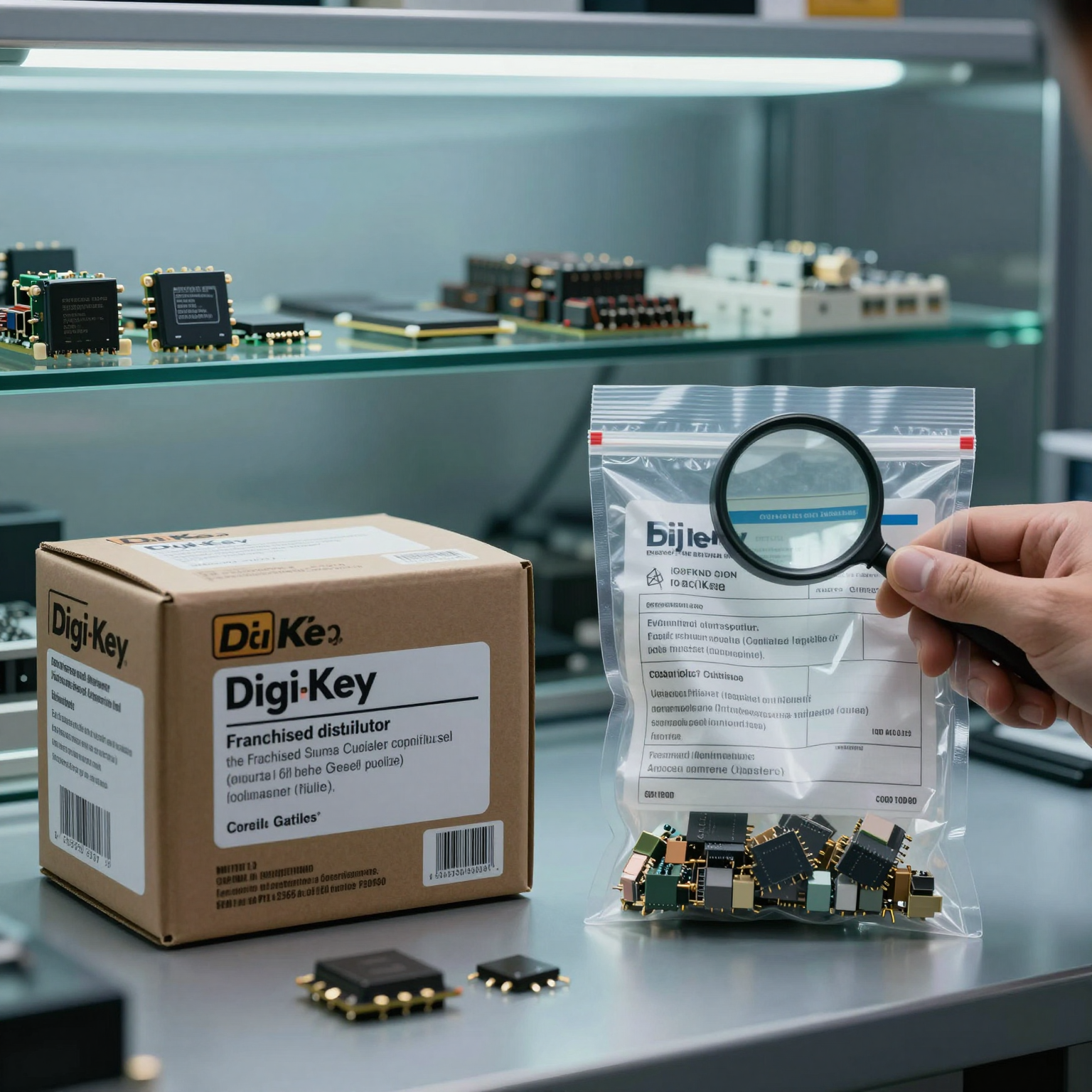
- Franchised distributors (e.g., Digi-Key, Mouser, Arrow)
- Independent distributors (for hard-to-find or legacy parts)
- Direct manufacturer relationships
Franchised distributors offer guaranteed authenticity and traceability but may have limited stock during shortages. Independent distributors can help source obsolete or allocated components but require careful vetting to avoid counterfeits.
When evaluating suppliers, consider factors such as:
- Traceability and compliance certifications (e.g., ISO 9001, AS9120)
- Lead times and minimum order quantities (MOQs)
- Return policies and defect rates
- Geographic location and shipping capabilities
3. Risk Assessment and Lifecycle Management
One of the most overlooked aspects of Electronic Components Sourcing for PCB Assembly is lifecycle risk management
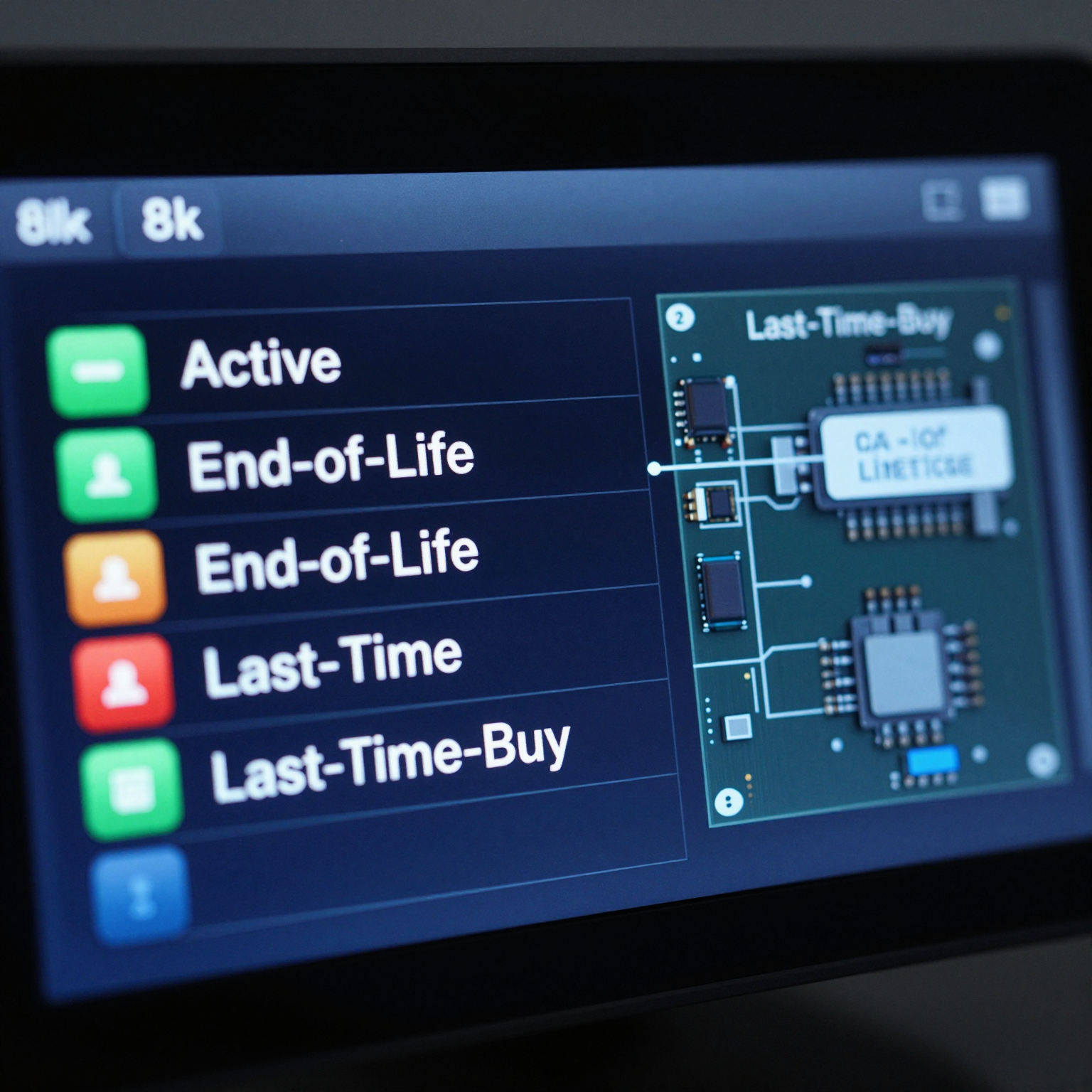
. Many components, especially semiconductors, go through phases: introduction, growth, maturity, obsolescence, and discontinuation.
Using end-of-life (EOL) or last-time-buy (LTB) components without a mitigation plan can lead to sudden production halts. Tools like SiliconExpert or IHS Markit help monitor component lifecycles and flag potential risks early.
Designers are increasingly adopting “design-for-sourcing” principles by selecting components with long-term availability and multiple sourcing options (second sourcing). This includes using generic parts where possible and avoiding single-source ICs unless absolutely necessary.
Common Challenges in Component Sourcing
Despite best efforts, several challenges frequently arise during the sourcing process:
Supply Chain Volatility
Global events—such as pandemics, trade restrictions, or natural disasters—can disrupt logistics and manufacturing output. The 2020–2023 semiconductor shortage highlighted how fragile the electronics supply chain can be.
To combat this, companies are diversifying supplier bases, increasing safety stock for critical parts, and investing in supply chain visibility tools.
Counterfeit Components
Counterfeit or recycled components pose serious risks to performance and safety, particularly in aerospace, automotive, and medical applications. These parts often fail prematurely or under stress conditions.
Mitigation strategies include:
- Purchasing only from authorized distributors
- Conducting incoming inspection and testing (X-ray, decapsulation, electrical testing)
- Requiring full traceability documentation (certificates of conformance, lot numbers)
For more information on ensuring quality, refer to our article on 6-step quality control process.
Allocated and Long-Lead-Time Parts
High-demand components—especially advanced microprocessors and memory chips—are often placed under allocation during peak demand periods. This means manufacturers prioritize orders based on volume or strategic partnerships.
Long lead times (sometimes exceeding 50 weeks) force companies to place speculative orders or redesign circuits around available alternatives.
Strategies for Optimizing Electronic Components Sourcing
To overcome these challenges, organizations must adopt proactive and strategic approaches to Electronic Components Sourcing for PCB Assembly.
Early Engagement with Contract Manufacturers
Partnering with an experienced PCB assembly manufacturer early in the design phase allows for better collaboration on sourcing strategy. These partners often have established relationships with component suppliers, access to real-time inventory data, and expertise in managing complex procurements.
They can also recommend alternative parts when original choices are unavailable—provided designs allow for flexibility.
Dual Sourcing and Approved Vendor Lists (AVL)
Creating an Approved Vendor List (AVL) with multiple qualified sources for each critical component reduces dependency on a single supplier. Dual sourcing enables faster recovery if one vendor faces disruption.
For example, instead of relying solely on Texas Instruments for a voltage regulator, include STMicroelectronics or Analog Devices as acceptable substitutes—provided they meet electrical and footprint requirements.
Inventory Buffering and Kitting
Maintaining strategic buffer stocks of high-risk components helps bridge gaps during supply shortages. While holding inventory increases upfront costs, it prevents costly line stoppages later.
Some electronics manufacturers use kitting services, where all components are pre-assembled into kits matched to specific PCBs. This streamlines the assembly process and reduces handling errors.
Leveraging Turnkey Assembly Services
Turnkey PCB assembly providers take full responsibility for both manufacturing and Electronic Components Sourcing for PCB Assembly. This model offers several advantages:
- Single point of accountability
- Faster turnaround due to parallel processing
- Reduced administrative burden on engineering teams
However, it requires trust in the provider’s sourcing network and quality controls. Always verify their procurement policies and audit trails before committing.
You can learn more about this approach in our detailed post on turnkey PCB assembly.
The Role of Technology in Modern Sourcing
Digital transformation is reshaping how companies manage component sourcing. Advanced software platforms now enable:
- Real-time price and availability comparison across hundreds of distributors
- Automated BOM validation and part matching
- Predictive analytics for demand forecasting and risk alerts
Tools like Altium Concord Pro, Siemens Teamcenter, or Octopart integrate with ERP and PLM systems to streamline procurement workflows and improve decision-making.
Moreover, blockchain-based traceability solutions are emerging to enhance transparency and combat counterfeiting by providing immutable records of a component’s journey from factory to board.
Building Resilience Through Collaboration
Ultimately, successful Electronic Components Sourcing for PCB Assembly depends on strong collaboration between design engineers, procurement specialists, and contract manufacturers.
Cross-functional teams should conduct regular Design for Manufacturability (DFM) and Design for Supply Chain (DFSC) reviews to align technical goals with sourcing realities.
Open communication channels allow for rapid response to market changes, enabling quick pivots when preferred parts become unavailable.
Conclusion: Make Sourcing a Core Competency
Electronic Components Sourcing for PCB Assembly is no longer a back-office function—it's a strategic imperative. As electronics grow more complex and supply chains more volatile, companies that master sourcing will enjoy faster time-to-market, lower costs, and higher product reliability.
By integrating sourcing considerations early in the design cycle, leveraging expert partners, and adopting modern tools, businesses can build resilient supply chains capable of weathering uncertainty.
If you’re looking for support with component sourcing or full turnkey assembly, consider partnering with a trusted provider who understands the nuances of global procurement. For more resources, explore our electronic components sourcing guide, or contact PCB manufacturer to discuss your next project.