
Mastering Electronic Components Sourcing and Procurement for Reliable Manufacturing
Rosannie Rolling
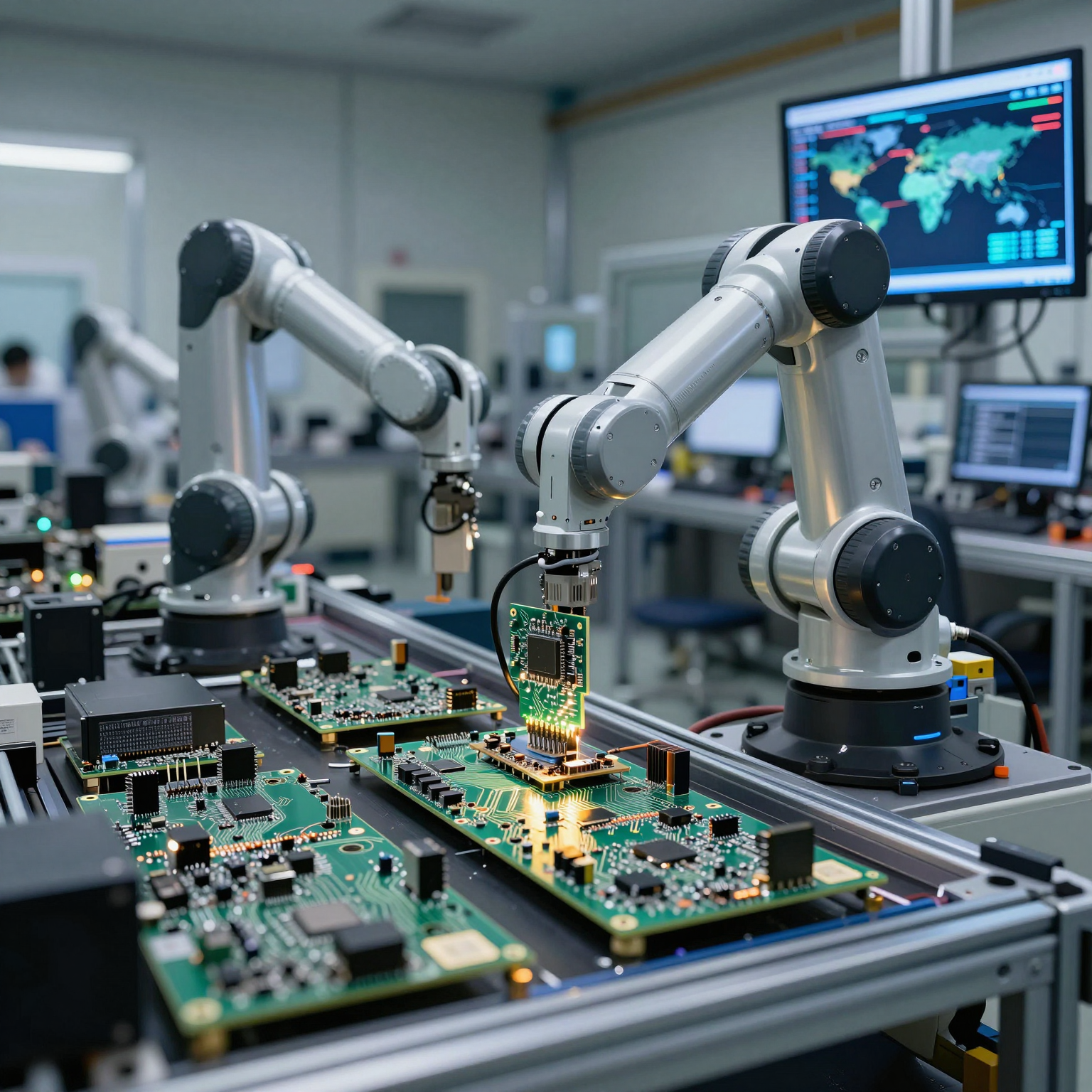
In today’s fast-paced electronics industry, the success of any product development cycle hinges not just on innovative design but also on the efficiency and reliability of its underlying supply chain. At the heart of this process lies Electronic Components Sourcing and Procurement—a critical function that ensures manufacturers can access the right parts, at the right time, and at the right cost. Whether you're developing consumer gadgets, industrial control systems, or medical devices, mastering the art of component acquisition is essential for maintaining production timelines, controlling costs, and delivering high-quality products.
What Is Electronic Components Sourcing and Procurement?
Electronic Components Sourcing and Procurement refers to the strategic process of identifying, evaluating, purchasing, and managing the electronic parts needed for printed circuit board (PCB) assembly and final product integration. This includes everything from resistors, capacitors, and integrated circuits (ICs), to more complex elements like microcontrollers, sensors, and power management units.
The process goes beyond simple purchasing. It involves supplier vetting, risk assessment, inventory planning, quality assurance, and long-term relationship management. Effective sourcing ensures continuity of supply, mitigates risks related to obsolescence or shortages, and supports overall product reliability.
Why Sourcing Matters in Electronics Manufacturing
With global semiconductor shortages, geopolitical disruptions, and increasing demand for advanced technologies, companies can no longer afford reactive procurement strategies. A well-structured approach to Electronic Components Sourcing and Procurement enables:
- Faster time-to-market
- Reduced material costs
- Improved product quality
- Greater supply chain resilience
For contract manufacturers and original equipment manufacturers (OEMs) alike, having a robust sourcing strategy isn’t optional—it’s a competitive necessity.
Key Challenges in Electronic Components Sourcing and Procurement
Despite its importance, Electronic Components Sourcing and Procurement faces several persistent challenges:
1. Component Shortages and Lead Times
Global events such as pandemics, natural disasters, or trade restrictions can severely disrupt semiconductor production. In recent years, lead times for certain ICs have stretched from weeks to over a year, impacting entire industries from automotive to consumer electronics.
2. Counterfeit Components
The rise of gray market suppliers has increased the risk of counterfeit or substandard components entering the supply chain. These fake parts may fail prematurely or cause system-level failures, leading to costly recalls and reputational damage.
3. Obsolescence Management
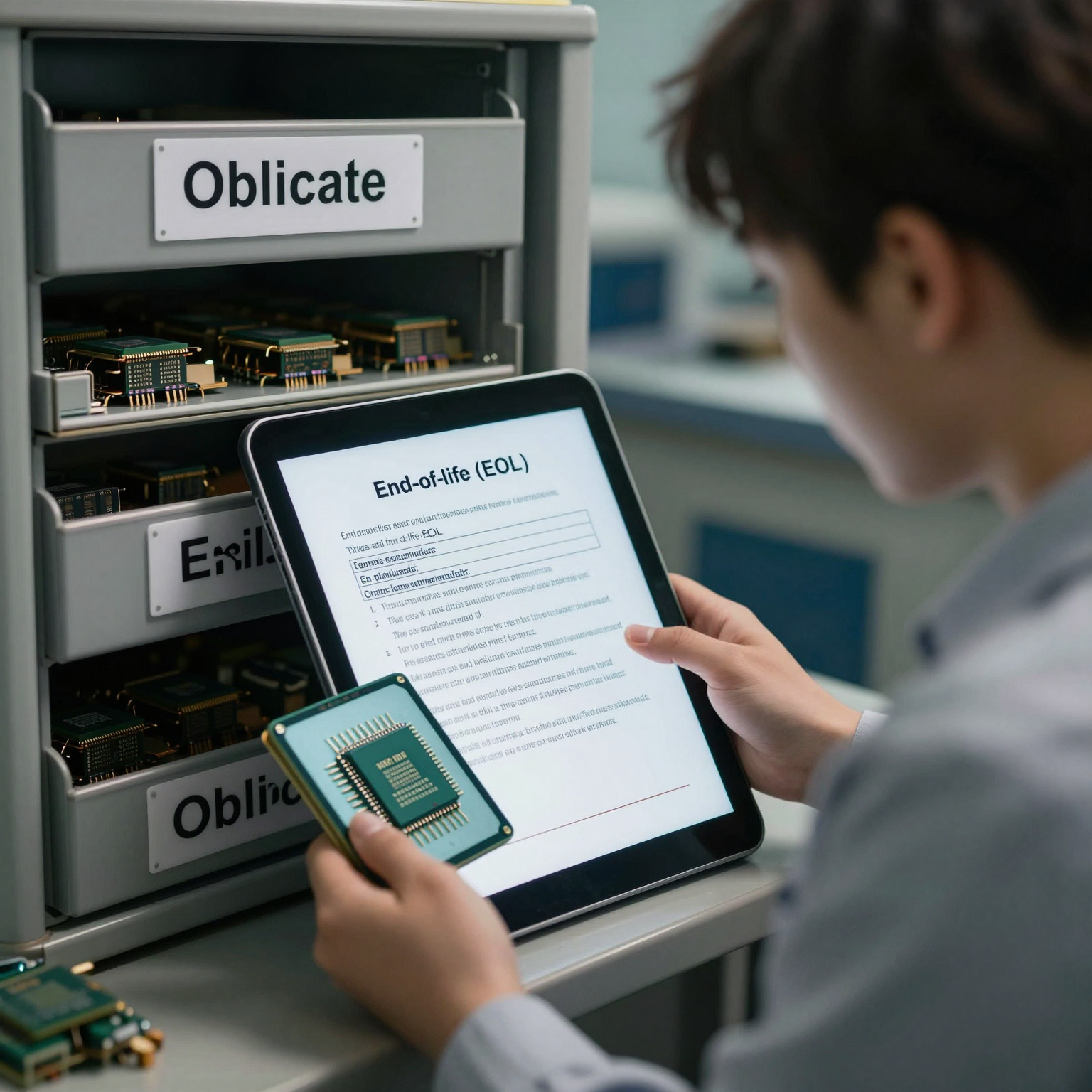
Technology evolves rapidly, and many electronic components become obsolete within a few years. Managing end-of-life (EOL) notifications and finding suitable replacements without redesigning entire boards is a constant challenge.
4. Price Volatility
Raw material costs, energy prices, and currency fluctuations all contribute to price instability in the component market. Without proper forecasting and vendor agreements, budget overruns are common.
5. Supply Chain Complexity
Modern electronics often rely on components sourced from multiple countries. Coordinating logistics across continents, complying with import regulations, and ensuring ethical sourcing practices add layers of complexity to procurement operations.
Best Practices for Effective Electronic Components Sourcing and Procurement
To overcome these challenges, organizations must adopt proactive and data-driven approaches. Here are some proven best practices:
1. Diversify Your Supplier Base
Relying on a single source for critical components increases vulnerability. By working with multiple pre-qualified suppliers—including franchised distributors, independent brokers, and direct manufacturer relationships—you reduce dependency and improve negotiation leverage.
2. Leverage Authorized Distribution Channels
Whenever possible, procure components through authorized channels (such as those verified by the ECIA) to minimize the risk of counterfeits. Franchised distributors offer traceability, compliance with manufacturer specifications, and access to technical support.
3. Implement Early Involvement in Design (DfS)
Design for Sourcing (DfS) integrates procurement considerations into the early stages of product development. Engineers collaborate with sourcing teams to select readily available, cost-effective, and long-lifecycle components, avoiding last-minute scrambles during production ramp-up.
4. Use Forecasting and Inventory Planning Tools
Accurate demand forecasting allows procurement teams to place advance orders, negotiate volume discounts, and build safety stock for long-lead items. Advanced ERP and MRP systems help automate reordering and track inventory levels in real time.
5. Establish Strong Supplier Relationships
Long-term partnerships with trusted suppliers foster transparency, priority allocation during shortages, and collaborative problem-solving. Regular performance reviews and open communication strengthen these relationships.
6. Monitor Market Trends Continuously
Staying informed about industry trends—such as new product launches, EOL announcements, or capacity expansions—enables preemptive action. Subscribing to market intelligence reports and using component lifecycle tracking tools can provide early warnings.
The Role of Contract Manufacturers in Component Sourcing
Many OEMs outsource Electronic Components Sourcing and Procurement to contract manufacturers (CMs) who specialize in end-to-end supply chain management. Partnering with an experienced CM offers several advantages:
- Access to established distributor networks
- Bulk buying power for cost reduction
- Expertise in handling obsolescence and substitutions
- Integrated quality control processes
For example, a full-service PCB assembly services provider often includes component sourcing as part of a turnkey solution, streamlining the entire manufacturing workflow from bill of materials (BOM) analysis to final testing.
This integrated model reduces administrative overhead for OEMs and accelerates project timelines, especially for prototype and low-volume production runs.
Turnkey vs. Consignment Models in Procurement
When engaging with a contract manufacturer, two primary models govern how components are handled:
1. Turnkey Procurement
In a turnkey arrangement, the CM takes full responsibility for sourcing and procuring all components listed in the BOM. The OEM provides specifications, and the CM handles everything else—from supplier selection to logistics and customs clearance.
Pros:
- Simplified process for the OEM
- Single point of accountability
- Potential cost savings through bulk purchasing
Cons:
- Less control over supplier choice
- Requires strong trust in the CM’s sourcing integrity
2. Consignment Model
Under consignment, the OEM purchases and supplies all components directly to the CM for assembly. The CM only handles labor and processing.
Pros:
- Full control over sourcing decisions
- Direct relationships with preferred vendors
- Ideal for proprietary or sensitive components
Cons:
- Higher logistical burden on the OEM
- Risk of delays if components arrive late or damaged
Choosing between these models depends on your company's resources, risk tolerance, and supply chain maturity.
Ensuring Quality in Electronic Components Sourcing and Procurement
Quality assurance is non-negotiable in Electronic Components Sourcing and Procurement. Even the most efficient supply chain fails if it delivers defective or non-compliant parts.
Key quality measures include:
- Component Authentication: Using X-ray inspection, decapsulation testing, and datasheet validation to verify authenticity.
- Lot Traceability: Maintaining detailed records of batch numbers, dates, and supplier information for every component used.
- Incoming Inspection: Conducting visual, electrical, and functional tests upon receipt.
- Compliance Verification: Ensuring components meet relevant standards such as RoHS, REACH, UL, or MIL-SPEC where applicable.
Some manufacturers implement a multi-stage 6-step quality control process that begins at the sourcing stage and continues through final product testing.
Digital Tools Transforming Electronic Components Sourcing and Procurement
Technology is reshaping how companies manage their component supply chains. Modern digital platforms enhance visibility, speed, and accuracy across procurement workflows.
1. BOM Management Software
Tools like Altium Concord Pro or Siemen’s Teamcenter allow engineering and procurement teams to collaborate on BOMs in real time, flagging obsolete or hard-to-source parts early in the design phase.
2. Component Search Engines
Platforms such as Octopart, FindChips, and Ultra Librarian enable rapid comparison of availability, pricing, and lead times across hundreds of distributors.
3. AI-Powered Forecasting
Artificial intelligence algorithms analyze historical usage, market trends, and seasonality to predict future demand with greater accuracy, reducing both overstock and stockouts.
4. Blockchain for Traceability
Emerging blockchain solutions offer immutable records of component origin, movement, and ownership—critical for aerospace, defense, and medical applications where traceability is mandatory.
These tools empower procurement teams to make smarter, faster decisions while improving compliance and reducing risk.
Building a Resilient Supply Chain Through Strategic Sourcing
Resilience has become a top priority in Electronic Components Sourcing and Procurement. Companies are moving away from lean-only models toward agile, adaptive supply chains capable of withstanding disruption.
Strategies for building resilience include:
- Dual Sourcing Critical Parts: Identifying second-source alternatives for key components.
- Geographic Diversification: Sourcing from different regions to avoid regional bottlenecks.
- Safety Stock for Long-Lead Items: Holding buffer inventory for components with extended lead times.
- Lifecycle Monitoring: Actively tracking EOL notices and planning for obsolescence mitigation.
Organizations that invest in supply chain agility will be better positioned to respond to unforeseen challenges and maintain business continuity.
Conclusion: Elevate Your Production with Smart Sourcing
Electronic Components Sourcing and Procurement is far more than a back-office function—it's a strategic lever that impacts product quality, cost, and delivery performance. As electronics grow increasingly complex and global supply chains remain fragile, adopting a proactive, technology-enabled sourcing strategy is essential.
Whether you choose to manage procurement internally or partner with a specialized contract manufacturer offering comprehensive electronic component sourcing, the goal remains the same: ensuring reliable access to high-quality components throughout the product lifecycle.
By embracing best practices, leveraging digital tools, and fostering strong supplier relationships, businesses can transform their procurement operations into a source of competitive advantage.
If you're looking to streamline your next electronics project, consider partnering with a trusted provider who understands the nuances of global component markets and delivers transparent, reliable results.