
リフローはんだ付けプロファイル最適化:ぬれ性・不良リスク・部品安全性をどう両立するか
SUNTOP Electronics
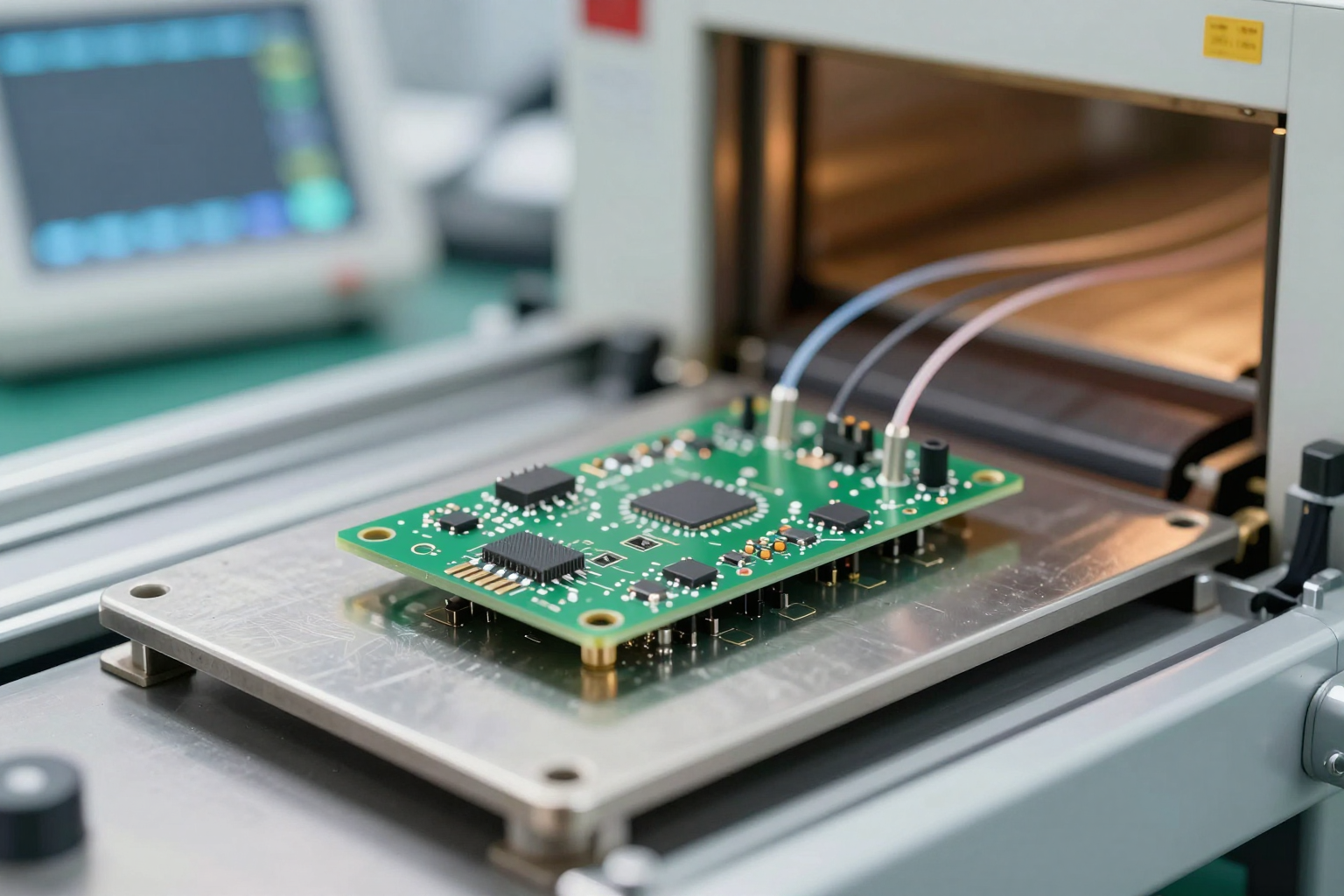
優れた reflow soldering profile は、単なる oven recipe ではありません。これは solder wetting、void の出方、thermal stress、component survival、そして lot-to-lot consistency に影響する process control の判断です。
だからこそ、profile development は土壇場の machine setting ではなく、engineering review として扱うべきです。弱い profile は、joint の加熱不足、sensitive part の過熱、cosmetic defect や electrical defect の増加、そして NPI から量産までの不安定な結果につながります。
OEM チームにとっての実務的な問いはシンプルです。supplier は、実際の board、paste、component mix、thermal mass に合わせて reflow soldering profile を作り、検証し、維持するための disciplined な方法を持っているか。ここへの答えが曖昧なら、品質リスクはたいてい rework、troubleshooting、あるいは立ち上がりの遅さとして後から表れます。
この guide では、reflow soldering profile の最適化が本当に何を意味するのか、どの variable が重要なのか、どこで common mistake が起きるのか、そして launch 前に PCBA partner の process discipline をどう確認すべきかを説明します。
reflow soldering profile 最適化が本当に意味すること
reflow soldering profile の最適化とは、heating と cooling の cycle を整え、assembly に不要な stress を与えずに solder joint を安定して形成できるようにすることです。より広い reflow soldering の文脈では、board が ramp、soak、peak、cool-down をどう通過するかまで含まれます。ただし production の現場で目指すべきものは、教科書どおりの curve そのものではありません。目標は、実際の assembly に curve を合わせることです。
実用的な process window は、通常、ラインが次の 3 つを同時に達成できるようにする必要があります。
- 十分な energy を与えて、完全な wetting と適切な joint formation を実現する
- component、laminate、surface finish の過熱を避けるだけの control を確保する
- inspection、test、安定した lot release を支えるだけの repeatability を確保する
そのため、profile optimization は stencil control、placement accuracy、solder paste behavior、そして downstream inspection と結び付けて考えられることが多くなります。board が PCB assembly services に入るなら、profile は isolated な oven setting ではなく、SMT 全体の process window の一部として見直すべきです。
reflow soldering profile を変える主な変数
どの board にもそのまま当てはまる単一の oven profile はありません。必要な heat flow は、assembly 自体によって変わります。
特に重要な variable は、通常次のようなものです。
- board size、thickness、copper balance、局所的な thermal mass
- package mix。特に大型 BGA、QFN、connector、shield、heat sink
- solder paste chemistry と supplier 推奨の process window
- surface finish、pad design、stencil deposit consistency
- production で pallet、carrier、fixture を使う場合の影響
- 目標が NPI 学習なのか、pilot build の安定化なのか、volume repeatability なのか
高密度の mixed-technology assembly は、同じ lead-free paste を使っていても、軽い consumer board とは異なる thermal profile を必要とすることがあります。thermal mass の大きい power part が小型 passive の近くにある場合も同様です。この不一致を無視して profiling すると、cold joint と overheated part が同じ board に同時に出ることがあります。
OEM チームが覚えておくべきなのは、profile の良し悪しは、それを検証した data の質に依存するという点です。thermocouple の設置位置、measurement method、revision control はどれも重要です。supplier が real assembly 上でどう profile を validation したか説明できないなら、示される process confidence は強いとは言えません。
ぬれ性、void リスク、component safety をどう両立するか
強い reflow soldering profile は、要するに balance です。より多くの heat が自動的に良いわけではなく、peak temperature を下げれば自動的に安全になるわけでもありません。process は、solder が十分に reflow できる機会を与えつつ、component limit と board-level stress を守らなければなりません。
実務では、チームは次のような具体的な問いに照らして thermal window を見ます。
- 低 mass の部品が、重い component よりも早く加熱されすぎていないか
- soak behavior は temperature uniformity に役立っているのか、それとも単に thermal exposure を延ばしているだけか
- peak energy は wetting に十分で、しかも sensitive package を押しすぎていないか
- cool-down behavior は、不要な stress や外観問題を避けるのに十分安定しているか
voiding、head-in-pillow risk、tombstoning、incomplete wetting が出たとき、答えはたいてい「一つの数字だけを変える」ことではありません。より良い進め方は、paste、aperture design、component layout、thermal mass、そして現在使っている profile window 全体の相互作用を見直すことです。
後工程の quality testing support が有効に機能するのは、上流 process がすでに安定している場合です。inspection は escape を見つけられても、不安定な thermal profile を robust な process に変えることはできません。
NPI と量産で起きやすい reflow soldering profile のミス
よくあるミスの一つは、似た job の過去 profile をそのまま流用し、十分近いだろうと考えることです。board が似ていても、copper distribution、package mass、fixture の使い方が変われば挙動は大きく変わることがあります。
もう一つのミスは、profiler data を一度きりの NPI document として扱い、production で継続管理する reference として扱わないことです。oven loading、conveyor speed、paste lot、board revision が大きく変われば、profile は再確認が必要になることがあります。
チームは、defect を symptom レベルだけで議論すると時間も失います。lead bridge、dull joint、void の問題は、stencil、paste storage、placement、oven profile が同時に関与している場合があります。oven だけを直しても、より深い原因を隠すだけになりかねません。
最後のミスは、supplier との会話を generic なままにしてしまうことです。manufacturer が「standard lead-free profile で流します」とだけ言うなら、risk の高い product には情報が足りません。信頼できる process-profile discussion では、validation method、control plan、change management まで具体的に話せる必要があります。
OEM チームが PCBA supplier と reflow soldering profile 管理を確認する方法
見積前や移管前に、OEM チームは supplier がその job の reflow soldering profile をどう作成し、承認し、維持するのかを確認すべきです。答えは engineering intent と現場ラインの実運用を結び付けている必要があります。
確認価値の高い review point は次のとおりです。
- initial profile を target assembly 上でどう作成し、どう検証するか
- thermocouple location をどう選び、どう記録するか
- oven change や material change によってどう review を再実施するか
- profile evidence を inspection、defect analysis、corrective action とどう結び付けるか
- NPI learning を、管理された volume release setting にどう落とし込むか
board に thermally sensitive part、bottom-terminated package、あるいは高密度 mixed-mass area があるなら、first build 後の defect analysis を待つのではなく、早い段階で contact page を通じて共有しておく価値があります。process expectation は、IPC-A-610 のような workmanship や acceptability の framework とも整合している必要がありますが、それでも factory 側はその期待値を board-specific な process window に落とし込まなければなりません。
reflow soldering profile 最適化に関する FAQ
reflow soldering profile はどのくらいの頻度で見直すべきですか?
assembly に thermal behavior へ影響しうる変更が入ったとき、または現在の window では要求品質を安定して満たせないことを process evidence が示したときには、reflow soldering profile を見直すべきです。
AOI で丁寧な reflow soldering profile 作業を置き換えられますか?
いいえ。AOI は soldering 後の visible issue を検出するのに役立ちますが、慎重な profile development の代わりにはなりません。安定した process とは、inspection に届く前に escape を減らせる状態であるべきです。
結論
優れた reflow soldering profile の最適化とは、結局のところ disciplined な process control です。SMT チームが real assembly 上で profile を validation し、defect learning と結び付け、ramp-up 前に supplier と一緒に見直しておけば、避けられる品質ノイズを減らし、quote、NPI、production transfer をより予測しやすくできます。