
Reliable Electronic Components Sourcing Service: Your Key to Seamless PCB Production
Winnie King
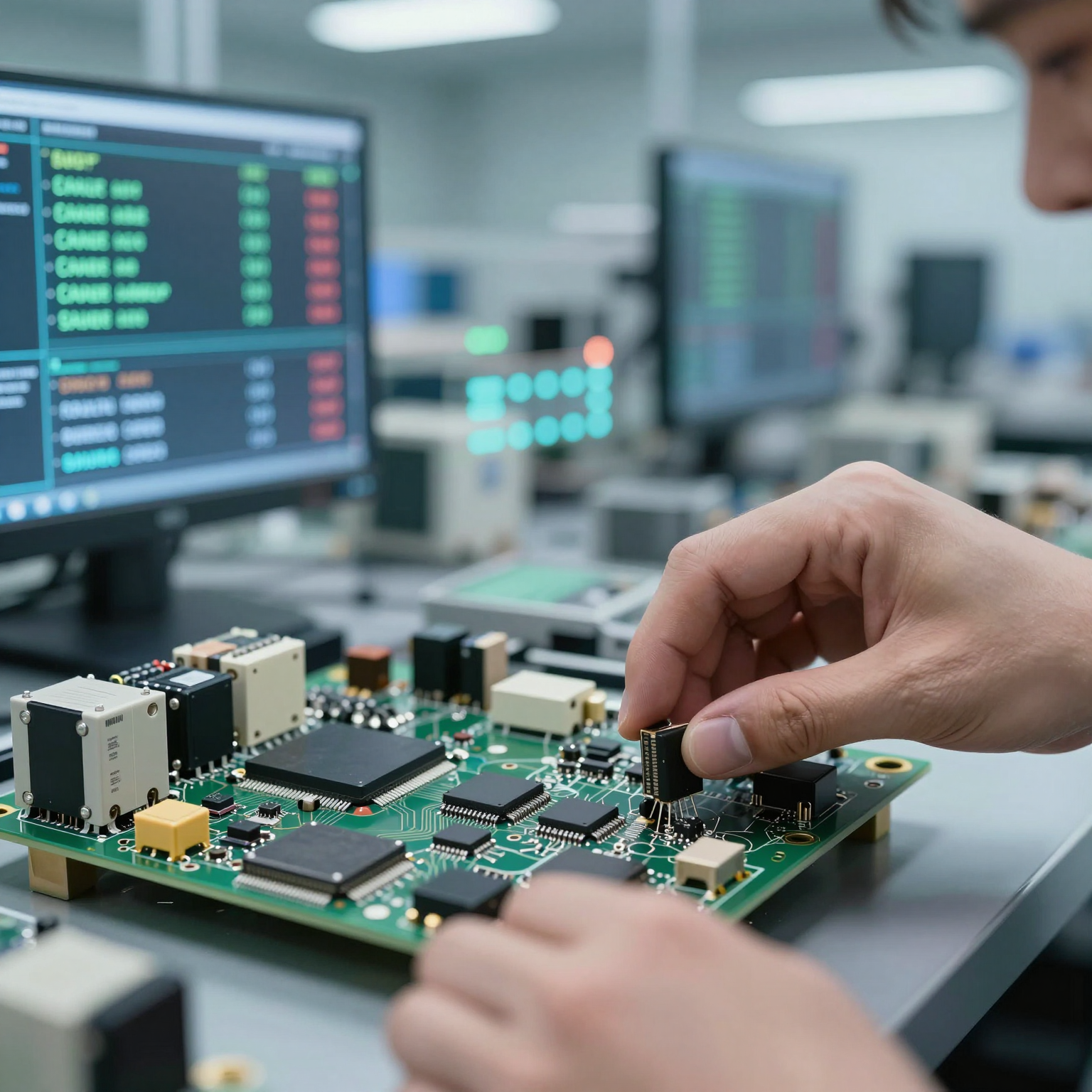
In today’s fast-paced electronics industry, the success of any product development hinges not only on innovative design but also on reliable access to critical parts. One of the most challenging aspects of bringing an electronic product to market is securing high-quality Electronic Components Sourcing Service that can deliver authentic, traceable, and competitively priced parts—on time and in full.
Whether you're developing prototypes or scaling up to mass production, managing component availability, lead times, and counterfeit risks can quickly become overwhelming. This is where partnering with a trusted provider offering a comprehensive Electronic Components Sourcing Service becomes essential.
Why You Need a Professional Electronic Components Sourcing Service
Addressing Supply Chain Volatility

The global semiconductor shortage of recent years has exposed vulnerabilities in traditional procurement models. Component lead times have stretched from weeks to months—or even over a year in some cases. For engineering teams under tight deadlines, this unpredictability can delay product launches, increase costs, and damage customer relationships.
A dedicated Electronic Components Sourcing Service mitigates these risks by leveraging established supplier networks, real-time inventory tracking, and strategic forecasting tools. These services don’t just react to shortages—they anticipate them, helping clients plan around potential disruptions before they occur.
Ensuring Quality and Authenticity

Counterfeit electronic components are a growing threat in the industry. According to a report by IHS Markit, the global market for fake semiconductors exceeded $75 billion annually at its peak, posing serious reliability and safety concerns—especially in sectors like aerospace, medical devices, and automotive systems.
Professional sourcing providers implement rigorous quality assurance protocols, including:
- Independent lab testing (X-ray, decapsulation)
- Traceability documentation (certificate of conformance, lot numbers)
- Supplier vetting and audits
- Compliance with standards such as AS6496 and IDEA-STD-1010
By outsourcing procurement to experts, companies reduce exposure to substandard or fraudulent parts while maintaining compliance with regulatory requirements.
Reducing Operational Burden
Managing procurement in-house requires significant resources: staff time, software licenses, supplier negotiations, logistics coordination, and ongoing risk monitoring. Small to mid-sized enterprises often lack the bandwidth or expertise to manage this efficiently.
An Electronic Components Sourcing Service acts as an extension of your team, handling everything from initial BOM analysis to final delivery. This allows engineers and project managers to focus on core competencies like design, testing, and innovation—rather than chasing down capacitors or verifying distributor credentials.
How Electronic Components Sourcing Services Work
Step 1: Bill of Materials (BOM) Analysis
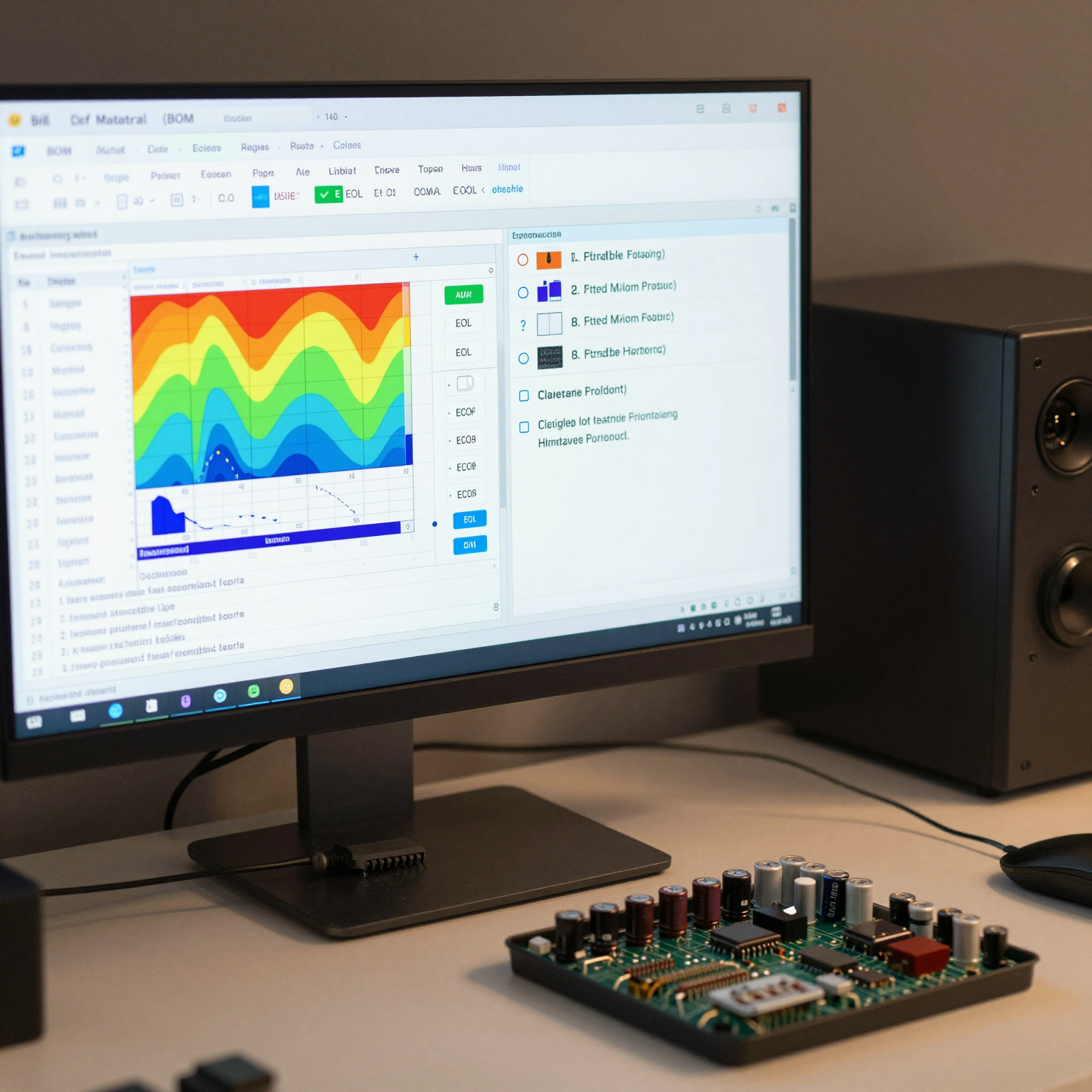
The process begins with a thorough review of your Bill of Materials. A qualified sourcing team will analyze each line item for:
- Availability across multiple distributors
- Obsolete or end-of-life (EOL) components
- Long-lead items requiring early ordering
- Potential alternatives or second sources
This step often uncovers opportunities to redesign for better availability without compromising performance—a practice known as Design for Procurement (DfP).
Step 2: Strategic Sourcing & Quotation
Using proprietary databases and global supplier connections, the sourcing team identifies optimal procurement channels. They compare pricing, lead times, minimum order quantities (MOQs), and shipping options across authorized distributors, franchise partners, and verified brokers.
Clients receive detailed sourcing reports outlining recommended suppliers, total landed costs, and risk assessments for each component.
Step 3: Procurement Execution
Once approved, the sourcing partner places orders, manages customs documentation (if applicable), and tracks shipments in real time. Many full-service providers offer turnkey solutions that integrate seamlessly with contract manufacturing, ensuring components arrive precisely when needed for assembly.
Some advanced providers even offer consignment inventory programs or vendor-managed inventory (VMI) models for recurring production runs.
Step 4: Incoming Inspection & Verification
Before components enter the production line, they undergo incoming inspection. This includes visual checks, electrical testing, and authenticity verification using methods such as:
- X-ray analysis to detect re-marked or recycled parts
- Scanning electron microscopy (SEM)
- Functional burn-in tests
Only after passing all inspections are components released for use in PCB assembly.
Benefits of Outsourcing to a Specialized Sourcing Provider
Faster Time-to-Market
With expert sourcing support, companies can significantly compress their development cycles. Early identification of long-lead items enables parallel workflows—ordering components while finalizing designs—avoiding costly delays later.
For example, if a microcontroller has a 20-week lead time, starting procurement during the prototype phase ensures it's available when transitioning to volume production.
Cost Optimization
While price isn't always the primary factor, professional sourcing services often secure better pricing through volume leverage, alternative part recommendations, and efficient logistics planning. Additionally, avoiding last-minute expediting fees (which can multiply costs by 5x or more) contributes to substantial savings.
They may also suggest drop-in replacements or pin-compatible alternatives that offer shorter lead times or lower prices without affecting functionality.
Risk Mitigation
A robust Electronic Components Sourcing Service reduces exposure to several key risks:
- Supply chain disruption: Diversified sourcing strategies minimize dependency on single suppliers.
- Obsolescence: Proactive EOL monitoring helps transition to new components before stock runs out.
- Regulatory non-compliance: Ensures components meet RoHS, REACH, and other environmental standards.
- Project failure: Prevents production halts due to missing or defective parts.
These safeguards are particularly crucial in regulated industries where product recalls or field failures can result in legal liability and reputational damage.
Integration with PCB Assembly and Manufacturing
One of the most effective ways to streamline electronics production is through integrated services that combine component sourcing with PCB assembly services. When both functions are managed under one roof, communication gaps are eliminated, timelines align perfectly, and accountability remains clear.
For instance, a manufacturer offering both electronic component sourcing and PCB assembly can:
- Lock in component availability before releasing fabrication tooling
- Optimize material flow between receiving and production floors
- Implement joint quality control checkpoints
- Offer single-point responsibility for end-to-end deliverables
This turnkey approach is especially beneficial for complex projects involving HDI boards, rigid-flex circuits, or mixed-technology assemblies (SMT + through-hole).
Moreover, understanding the nuances of assembly processes allows sourcing specialists to make smarter decisions—for example, selecting components with appropriate packaging (tape & reel vs. cut tape) or ensuring moisture sensitivity levels (MSL) are compatible with reflow profiles.
Choosing the Right Electronic Components Sourcing Partner
Not all sourcing services are created equal. To ensure reliability and long-term value, consider the following criteria when evaluating providers:
1. Industry Experience and Reputation
Look for partners with proven experience in your target market—whether consumer electronics, industrial automation, medical devices, or telecommunications. Check references, case studies, and certifications (e.g., ISO 9001, IPC membership).
2. Transparency and Communication
Your sourcing partner should provide regular updates, clear documentation, and easy access to account managers. Real-time dashboards showing order status, inventory levels, and shipment tracking add valuable visibility.
3. Ethical Sourcing Practices
Avoid companies that rely heavily on gray-market channels. While sometimes necessary, excessive use of independent brokers increases counterfeit risk. Prioritize firms committed to ethical procurement and full traceability.
4. Technical Expertise
The best sourcing teams include engineers who understand circuit design, datasheet specifications, and substitution guidelines. Their input can prevent issues related to voltage tolerance, temperature range, or package compatibility.
5. Scalability and Flexibility
Choose a provider capable of supporting both low-volume prototyping and high-volume production. Flexible MOQ policies and responsive customer service are indicators of a scalable operation.
Case Study: Overcoming a Critical Shortage
Consider a medical device startup developing a portable diagnostic tool. During final validation, their main MCU was declared obsolete by the manufacturer. With no alternate source identified, the project faced a six-month delay.
By engaging an Electronic Components Sourcing Service, the company received three viable alternatives within 48 hours—one of which was pin-compatible and readily available. The sourcing team coordinated sample delivery, facilitated testing, and secured a six-month buffer stock, allowing uninterrupted production until a permanent redesign could be completed.
This scenario highlights how proactive sourcing support can rescue projects from seemingly insurmountable obstacles.
The Future of Electronic Components Sourcing
As technology evolves, so do the demands on supply chains. Trends shaping the future of Electronic Components Sourcing Service include:
- AI-driven demand forecasting: Machine learning algorithms predict shortages and recommend substitutions based on historical data and market trends.
- Blockchain for traceability: Immutable records enhance transparency and combat counterfeiting across complex supply chains.
- Nearshoring and regionalization: Companies are shifting toward local or regional suppliers to reduce geopolitical risks and transportation delays.
- Sustainability initiatives: Increased focus on conflict-free minerals, recyclable packaging, and carbon footprint reduction in procurement practices.
Forward-thinking sourcing providers are already adopting these innovations to deliver smarter, greener, and more resilient supply chain solutions.
Conclusion: Make Sourcing a Strategic Advantage
In modern electronics manufacturing, having access to a reliable Electronic Components Sourcing Service is no longer optional—it's a strategic necessity. From mitigating risk and reducing costs to accelerating time-to-market, professional procurement support empowers businesses to navigate complexity with confidence.
When combined with high-quality PCB fabrication and assembly capabilities, a fully integrated sourcing solution delivers unmatched efficiency and peace of mind.
If you're looking for a partner who understands the intricacies of global component supply and offers transparent, ethical, and technically sound procurement practices, explore what a trusted PCB assembly manufacturer can do for your next project.
Don’t let component shortages slow you down. Leverage expert sourcing to keep your innovation moving forward.