
PCB Assembly Cost Breakdown: What Actually Drives Pricing from Quote to Production
SUNTOP Electronics
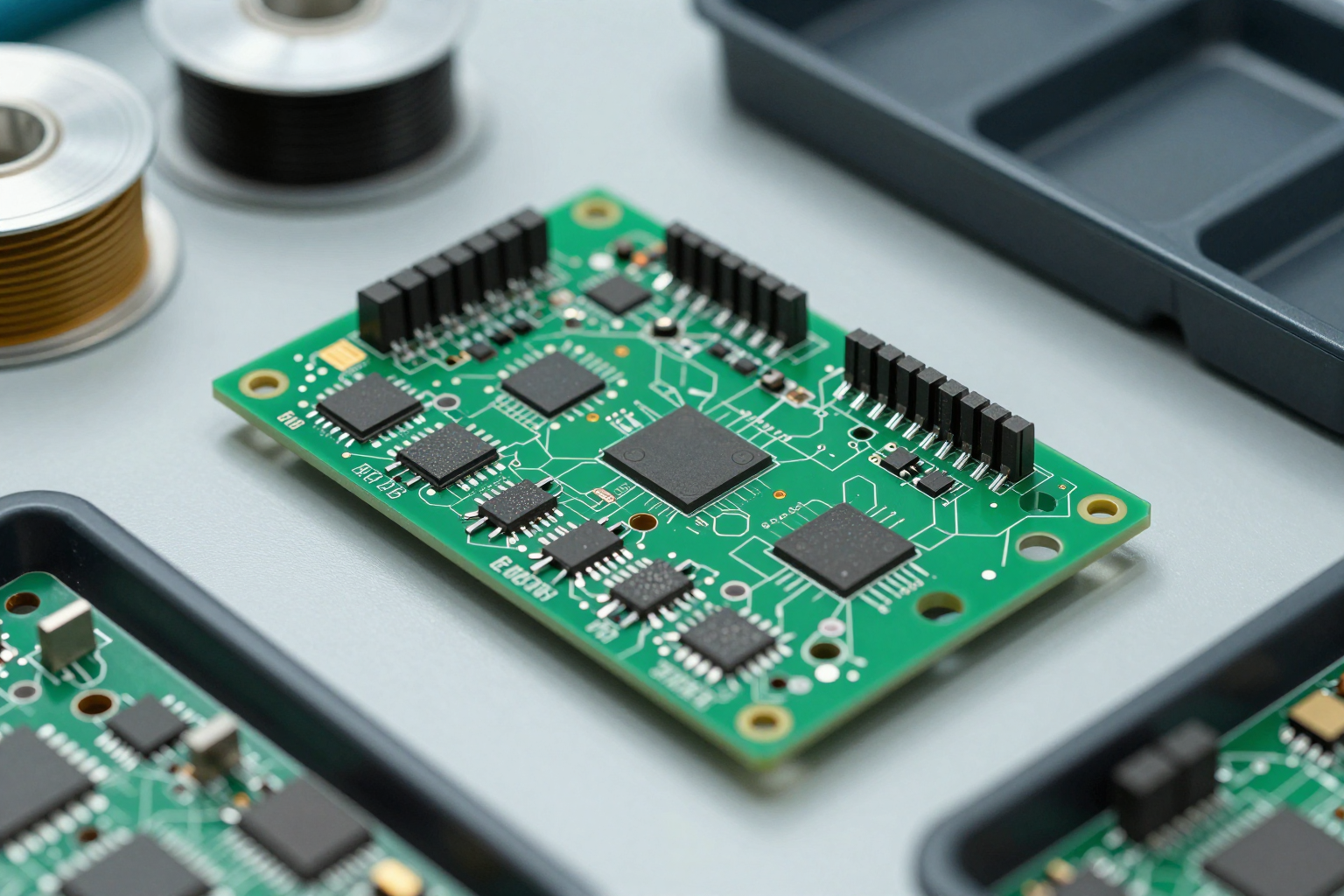
A useful pcb assembly cost breakdown is more than a single line-item quote. It should show what is being priced, what is still conditional, and which cost drivers come from the board, the BOM, the process plan, and the supplier's risk assumptions.
That matters because many OEM teams compare quotes that look similar on the surface but are built on very different assumptions. One supplier may be pricing stable component sourcing and realistic test coverage, while another may be pricing only basic assembly labor and leaving risk to be discovered later. Without a clearer pcb assembly cost breakdown, it is easy to mistake an incomplete quote for a competitive one.
This guide explains how a pcb assembly cost breakdown usually works in practice, what inputs most often change the price, and how to reduce avoidable cost without shifting problems into quality, lead time, or rework.
What PCB Assembly Cost Breakdown Really Includes
A real pcb assembly cost breakdown usually combines several cost layers rather than one simple manufacturing fee. In a typical quote, pricing may include bare board fabrication, component sourcing, SMT and through-hole assembly labor, setup or NPI work, tooling or stencil costs, inspection, test, packaging, and project-management overhead.
The exact structure depends on the job. A prototype run with engineering review and manual intervention will not look the same as a repeat production order with stable materials and a mature process window. That is why quote comparison only makes sense when the same scope is being priced.
In practice, buyers should expect the quote to reflect at least these groups:
- PCB fabrication cost for the bare board itself
- component cost based on current sourcing conditions
- assembly labor tied to placement count, package mix, and process difficulty
- NPI or setup cost for stencil, programming, fixtures, and line preparation
- inspection and test cost when the process includes AOI, ICT, FCT, or other checks
- logistics, special handling, or packaging requirements when they matter
If a supplier provides PCB assembly services, the best reading of a pcb assembly cost breakdown is not “what is the cheapest number?” but “which assumptions are already covered and which ones are still exposed?”
How BOM Sourcing and Component Risk Change the Quote
In many jobs, the BOM has a larger effect on the pcb assembly cost breakdown than the assembly line itself. The reason is simple: component risk changes both direct spend and hidden process friction.
If parts are broadly available, come from approved channels, and have stable package options, the quote tends to be cleaner. If parts are obsolete, allocation-prone, MOQ-sensitive, or dependent on gray-market sourcing, the supplier has to price more uncertainty into the job.
Common sourcing-side drivers include:
- unit price of key ICs, connectors, and passives
- manufacturer lead times and approved-alternative flexibility
- packaging format such as reel, tray, tube, or cut tape
- whether consigned parts arrive ready for production use
- incoming inspection effort for high-risk or hard-to-source parts
- replacement work when footprint-compatible alternates are needed
A credible pcb assembly cost breakdown should therefore distinguish between assembly value-add and sourcing volatility. Otherwise, buyers may conclude the factory is expensive when the real issue is simply BOM risk. That is also why early component sourcing support can improve not just availability, but quote stability.
How Board Design and Manufacturing Choices Affect Assembly Cost
Board design decisions also shape the pcb assembly cost breakdown, even when the BOM stays the same. Dense layouts, fine-pitch packages, heavy boards, mixed technologies, panelization constraints, and special handling requirements all change how much effort the job needs.
Examples that often push cost upward include:
- double-sided SMT with uneven thermal mass
- fine-pitch BGA or bottom-terminated packages that need tighter process control
- mixed SMT and through-hole content that adds extra touch points
- low-volume designs that still require custom setup or fixture planning
- panel designs that reduce line efficiency or complicate depanelization
- cleanliness, coating, or handling requirements beyond a standard commercial build
This does not mean complex boards are automatically overpriced. It means the pcb assembly cost breakdown has to reflect real manufacturing difficulty. In the same way that surface-mount technology changed electronics assembly economics by improving density and automation, it also created new cost differences between easy-to-run boards and boards that demand tighter control.
Board fabrication choices matter too. If the assembly quote assumes a challenging multilayer board, special finish, tight registration, or unusually thick copper, the total landed cost may change even if the assembly labor number alone does not look dramatic.
What Process, Testing, and NPI Activities Add Cost
Another area buyers often underestimate is process preparation. A healthy pcb assembly cost breakdown usually includes more than machine time. It also includes what the supplier must do before stable production starts.
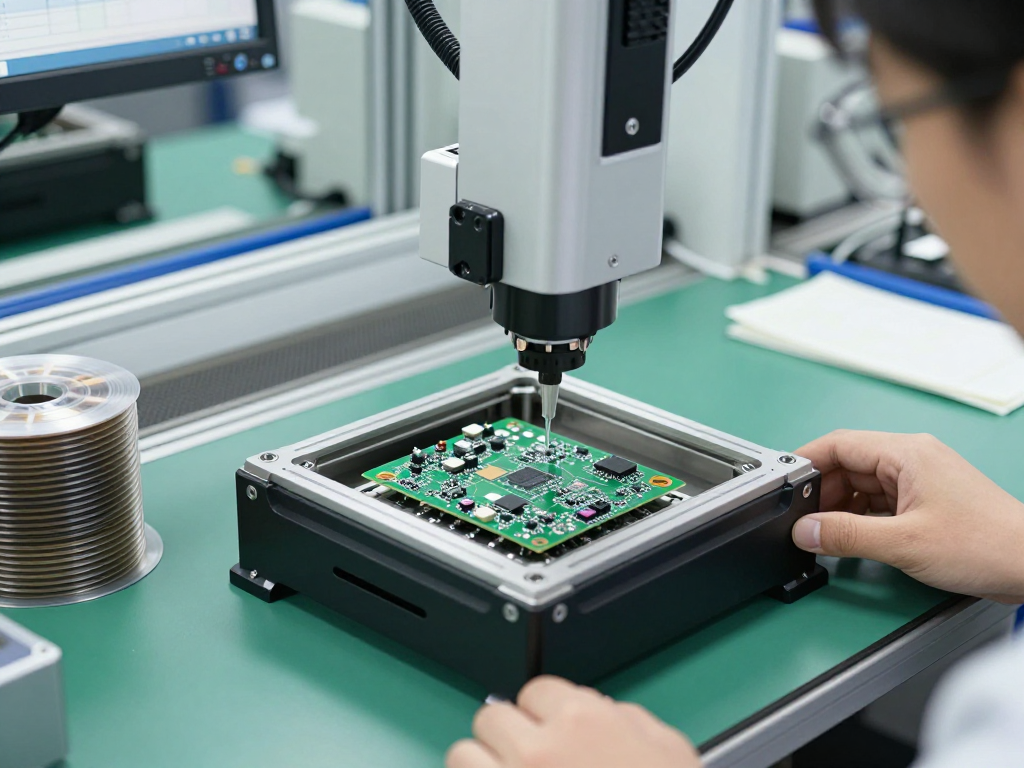
NPI setup, fixture work, and test preparation add real cost before a PCB assembly build becomes repeatable.
For prototypes and new products, that may include stencil planning, feeder setup, programming, first-article review, process tuning, profile validation, and inspection-plan definition. Those steps cost money, but they also reduce avoidable defects and shorten the path to a repeatable build.
Testing adds cost as well, but it often protects far more value than it consumes. Depending on the product, the quote may need to cover AOI, flying probe, ICT, functional test, programming, or burn-in related activities. Industry frameworks such as IPC-A-610 help define workmanship expectations, but each supplier still has to translate those expectations into a practical control plan.
That is why the quote should clarify whether the pricing assumes:
- basic visual and AOI coverage only
- engineering support during NPI builds
- fixture development or programming work
- functional test support provided by the supplier or by the OEM
- extra traceability, documentation, or special lot control
If these items stay vague, low pricing on paper can turn into later ECOs, rework bills, or delays during launch.
Common Mistakes That Make PCB Assembly Cost Breakdown Worse
A weak pcb assembly cost breakdown is often caused by incomplete inputs rather than aggressive pricing alone. When the supplier has to guess, contingency increases.
One common mistake is sending out mismatched files. If the BOM, centroid, revision notes, and assembly drawing do not align, the factory spends extra time clarifying basic issues before it can even judge the real production scope.
Another mistake is asking multiple suppliers for quotes without normalizing scope. One quote may include sourcing, stencil, AOI, and NPI support, while another may assume consigned parts and minimal engineering engagement. The lower total may not represent the better value.
Teams also create cost problems when they optimize only for unit price. A cheaper part that is hard to source, a panel format that slows assembly, or a footprint choice that increases defect risk can make the real pcb assembly cost breakdown worse after production starts.
Finally, some buyers wait too long to discuss constraints such as target volume, acceptable alternates, test expectations, and documentation needs. That creates avoidable ambiguity and makes every quote look more conditional than it should.
How to Ask for a Cleaner Quote and Control Cost Without Creating Quality Risk
The best way to improve a pcb assembly cost breakdown is usually not to demand a lower number first. It is to reduce uncertainty and make the manufacturing package easier to price correctly.
A cleaner RFQ package should normally include:
- an accurate BOM with approved manufacturer part numbers or alternates noted clearly
- current Gerbers, drill data, and assembly files tied to the same revision
- expected order stage such as prototype, pilot, or repeat production
- test expectations and whether fixtures or software are already available
- quality or documentation requirements that affect process planning
- any constraints around consigned materials, substitutions, or target delivery windows
With that information, the supplier can separate avoidable cost from necessary cost. In many cases, the fastest path to savings is one of these moves instead of blunt price pressure:
- standardize package choices where practical
- remove unnecessary part variants from the BOM
- improve panelization or assembly access
- decide early which tests are required versus optional
- align sourcing strategy before parts enter shortage-driven escalation
If your team needs help turning an RFQ package into a more reviewable manufacturing request, use the contact page to discuss the board, BOM, and quote assumptions before release.
FAQ About PCB Assembly Cost Breakdown
Why do two PCB assembly quotes differ so much for the same board?
Because the same board can be priced with different sourcing assumptions, setup scope, inspection coverage, and risk buffers. A quote only becomes comparable when the scope and assumptions are aligned.
Is labor the biggest part of a PCB assembly cost breakdown?
Not always. On many projects, component sourcing risk and BOM value have a larger effect than direct placement labor. The answer depends on the product, volume, and supply conditions.
Can I lower cost by removing testing from the quote?
Sometimes, but that can be a false saving. If testing is removed without understanding product risk, the cost may return later as field failures, rework, debug time, or delayed launch.
Conclusion
A strong pcb assembly cost breakdown helps buyers compare quotes on real scope instead of surface price. When BOM risk, board complexity, setup effort, and test expectations are visible early, engineering and sourcing teams can make better tradeoffs and avoid chasing savings that create larger manufacturing problems later.