
Lead-Free Soldering and RoHS Compliance Guide for PCB Assembly Teams
SUNTOP Electronics
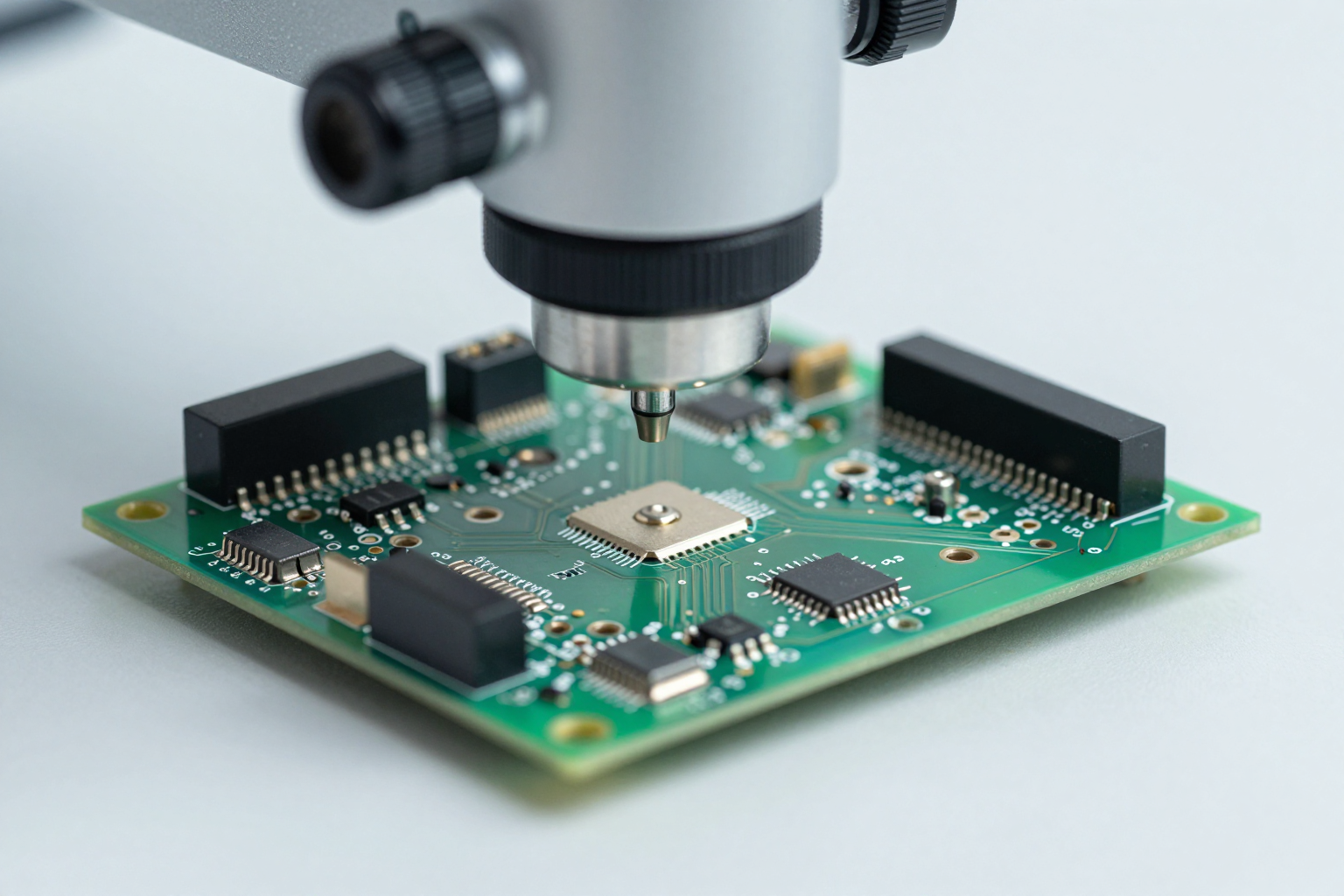
Lead-free soldering is now a normal requirement in many electronics programs, but the change is bigger than simply swapping one alloy for another. For PCB assembly teams, this process affects reflow temperature, component stress, wetting behavior, solder joint appearance, material declarations, and supplier communication.
That is why lead-free soldering should be treated as both a process topic and a compliance topic. Engineering teams need to know what changes on the line. Sourcing and quality teams need to know what the process does, and does not, prove about product-level RoHS status.
In practice, confusion starts when companies assume lead-free soldering automatically means full compliance. A lead-free build process can reduce one major restricted substance risk, but RoHS review still depends on component declarations, material data, exemptions where applicable, and revision control across the full assembly package.
This guide explains where lead-free soldering fits in PCB assembly, what process controls matter, how RoHS compliance is usually supported, and what to review before you send a board into prototype or production build.
What Lead-Free Soldering Means and Why RoHS Changed PCB Assembly
Lead-free soldering usually means using solder alloys with little or no intentionally added lead, most commonly tin-silver-copper families in mainstream electronics manufacturing. The shift accelerated as global electronics programs responded to environmental rules and customer requirements, especially the RoHS Directive.
For PCB assembly, the practical point is simple. Lead-free soldering changes the manufacturing window. It often requires higher reflow temperatures, tighter profile control, and closer review of component and laminate temperature tolerance. A board that looked easy under a legacy process may need more careful validation when this process is the baseline requirement.
RoHS also changed the conversation between customer and supplier. Instead of treating solder choice as a shop-floor detail, buyers now ask how the assembly house manages declarations, traceability, and restricted-substance risk through the build package. If you are comparing suppliers for PCB assembly services, that difference matters because process capability and document discipline need to move together.
This process therefore sits at the intersection of manufacturing realism and compliance control. It is not only about making joints form correctly. It is about making sure the assembly process, the parts list, and the product declarations do not drift out of alignment.
How Lead-Free Soldering Changes Alloy Choice, Temperature, and Process Control
The biggest operational change in lead-free soldering is thermal demand. Common lead-free alloys usually melt at higher temperatures than older tin-lead systems, so the reflow profile has less room for guesswork. That can affect component sensitivity, flux activity, warpage behavior, and the margin between good wetting and avoidable defects.
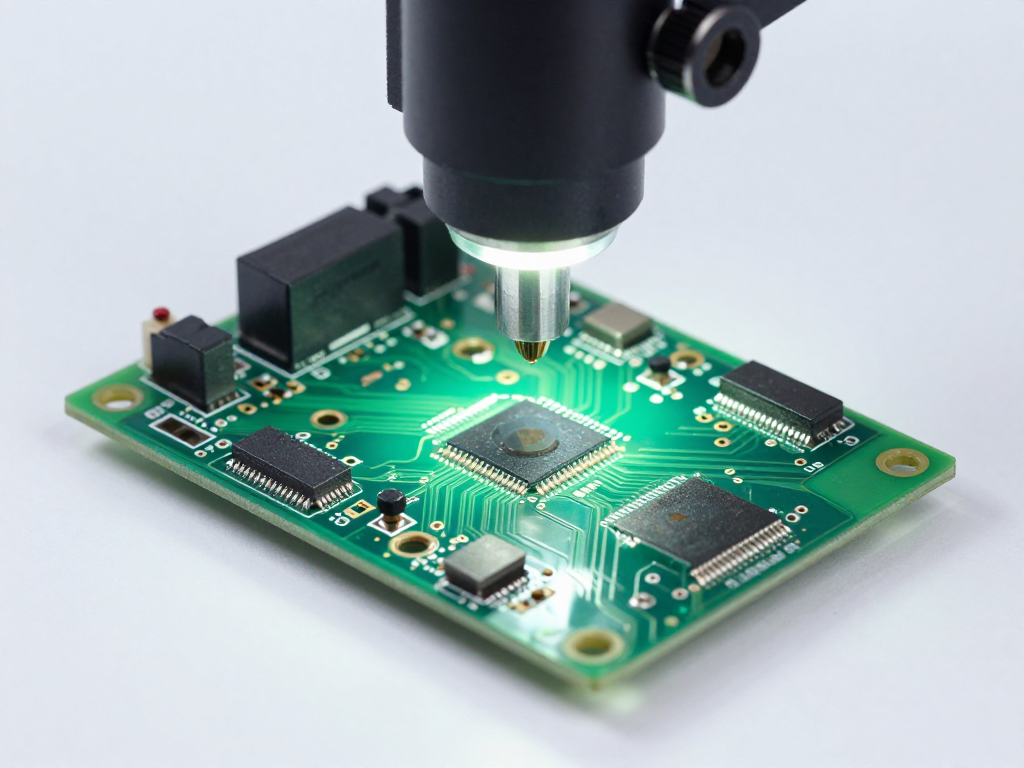
Macro inspection of a populated PCB highlights the solder-joint and assembly detail teams review when tuning a lead-free process window.
A controlled program usually needs teams to review:
- alloy family and whether it matches product reliability needs
- peak temperature and time above liquidus in the chosen profile
- laminate and component temperature limits
- pad finish and solderability condition
- stencil, paste, and moisture-control discipline
- inspection criteria after reflow or selective soldering
If these decisions are handled casually, the process can introduce defects that teams misread as random yield loss. In reality, many issues are traceable to profile mismatch, oxidation control, weak storage practice, or components that were never screened clearly enough for the intended process.
The shift also changes what “normal” joint appearance looks like. Some joints appear duller or grainier than older leaded finishes, so acceptance should be tied to process standards and inspection criteria rather than visual habits from a different alloy system. That is one reason independent quality testing support matters when a new product is moving from pilot build to repeat production.
For teams already working through reflow setup, the core lesson is that the process is not difficult because it is exotic. It is difficult when the process window is treated as generic instead of product-specific.
What Lead-Free Soldering Does and Does Not Prove About RoHS Compliance
This is where many projects go wrong. Lead-free soldering helps reduce risk, but the process alone does not prove the finished assembly is RoHS compliant.
RoHS compliance is broader than solder alloy choice. A board can use this process and still fail a compliance review if one or more components, finishes, cable sets, coatings, or subassemblies lack valid declarations or fall under the wrong specification revision. That is why a responsible supplier should separate process statements from compliance statements.
In practical terms, lead-free soldering can support a RoHS program in three ways:
- it removes one obvious source of lead from the assembly process
- it aligns the build flow with common market expectations for compliant electronics
- it makes supplier documentation easier to organize around a consistent process baseline
But it does not replace document review. Teams still need to confirm part-level declarations, verify whether exemptions apply, and understand where RoHS ends and other substance frameworks begin. In some projects, buyers also need to track adjacent requirements such as REACH, customer-specific restricted-substance lists, or sector-specific reporting expectations.
The safest wording for a manufacturing partner is usually factual: the build was processed using a lead-free process, and compliance evidence depends on the approved BOM, supplier declarations, and the customer’s final documentation scope. That language is more credible than making blanket claims from the process choice alone.
Documents and Supplier Checks That Support a Lead-Free Soldering Program
A solid lead-free soldering workflow is easier to manage when the documentation pack is clean before release. Instead of asking the factory to infer intent from scattered email threads, give the supplier a package that ties process and compliance together.
Useful review items usually include:
- approved BOM with manufacturer part numbers locked to the current revision
- component declarations or supplier material statements where required
- assembly notes that specify lead-free soldering as the intended process
- any temperature-sensitive component warnings or special handling notes
- revision control for substitutions, alternates, and customer-approved exceptions
- inspection and traceability expectations for the build stage
This is also the point where sourcing teams should ask what the supplier actually controls. Does the assembler maintain lead-free soldering segregation where needed? How are substitutes reviewed? What evidence is retained for the final build lot? Those questions matter more than a generic promise that everything is “RoHS ready.”
If your team is still aligning process assumptions, it is better to open the conversation early through the contact page than to discover documentation gaps after components are already kitted and the schedule is tight.
Common Lead-Free Soldering Mistakes That Create Assembly or Compliance Risk
Most process problems in this area are not dramatic chemistry failures. They are ordinary project-control failures that happen before or during release.
One common mistake is assuming every component on the BOM is automatically suitable for the same lead-free profile. In reality, package sensitivity, floor life, finish condition, and thermal limits may vary enough to justify a closer look.
Another mistake is treating lead-free soldering as proof of compliance in customer communication. That shortcut creates risk because auditors and customers often want to see evidence tied to the actual approved parts, not only a statement about the oven recipe.
A third mistake is letting substitutions happen without the same declaration review used for the original BOM. This process does not protect a project from bad change control. If alternates are introduced under supply pressure, the documentation path needs to stay intact.
Teams also lose time when they copy an old profile into a new build without confirming paste behavior, board mass, or component mix. This process rewards disciplined setup, and it exposes weak assumptions faster than many teams expect.
Finally, some companies make the topic harder than it needs to be by mixing legal language, material science, and line operation into one vague checklist. A better approach is to split the review into three clear questions: is the lead-free process suitable, is the approved BOM supported by declarations, and is the release package controlled well enough for the supplier to build confidently?
FAQ About Lead-Free Soldering and RoHS Compliance
Is lead-free soldering the same as RoHS compliance?
No. This process supports a compliant build strategy, but RoHS compliance depends on the broader material and component set used in the finished product.
Does lead-free soldering always require a different reflow profile?
In many cases yes, because these alloys usually melt at higher temperatures. The exact profile still depends on the paste, board mass, and component limits in the actual assembly.
Can a PCB assembly supplier guarantee compliance just by using lead-free soldering?
A supplier can state that the job used a lead-free process, but full compliance claims should be tied to approved declarations, BOM control, and documented scope rather than the solder alloy alone.
What should buyers ask before releasing a compliant build?
Ask how the supplier manages the lead-free build process, BOM substitutions, declaration collection, and traceability, and confirm those answers match the product’s actual compliance scope.
Conclusion
Lead-free soldering is an important part of modern PCB assembly, but it works best when teams treat it as a controlled manufacturing method inside a larger compliance workflow. When process settings, part declarations, supplier review, and release documentation all stay aligned, the process becomes a practical enabler instead of a source of confusion.
For engineering and sourcing teams, the goal is not to use lead-free soldering as a shortcut claim. The goal is to use lead-free soldering as one verified piece of a build package that can move into production with fewer surprises.