
Understanding PCB Surface Treatment: A Comprehensive Guide by SUNTOP Electronics
Rochester Mila
In the world of modern electronics, where performance, reliability, and miniaturization are paramount, every aspect of printed circuit board (PCB) design and manufacturing must be meticulously controlled. One such critical yet often overlooked component is PCB surface treatment—the final finish applied to the exposed copper surfaces of a PCB before component assembly. This seemingly minor step plays a pivotal role in determining the board’s solderability, shelf life, signal integrity, and overall product longevity.
At SUNTOP Electronics, as a leading PCB assembly manufacturer, we understand that the choice of surface treatment directly impacts not only the manufacturing process but also the end-product's success in the field. Whether you're designing rigid boards for industrial automation or flexible circuits for wearable devices, selecting the right surface treatment is essential to achieving optimal results.
This comprehensive guide will walk you through everything you need to know about PCB surface treatment, including its purpose, types, advantages and disadvantages, selection criteria, and how it applies specifically to both standard PCBs and FPC surface treatment for flexible printed circuits.
What Is PCB Surface Treatment?
Definition and Purpose
PCB surface treatment, also known as surface finish, refers to the protective coating applied over the bare copper traces, pads, and vias on a printed circuit board. Since copper naturally oxidizes when exposed to air, forming a non-conductive layer, this oxidation can severely hinder soldering during component placement. The primary purposes of surface treatment include:
- Preventing oxidation of copper traces
- Ensuring excellent solderability during reflow and wave soldering processes
- Providing a flat, uniform surface for fine-pitch components
- Enhancing electrical performance and reliability
- Supporting wire bonding in certain applications
- Extending the shelf life of bare PCBs before assembly
Without proper PCB surface treatment, even the most carefully designed circuit could fail during production or in operation due to poor wetting, cold joints, or intermittent connections.
Why It Matters in Modern Electronics
As electronic devices become smaller, faster, and more complex, traditional methods of protecting copper are no longer sufficient. High-density interconnect (HDI) designs, ball grid arrays (BGAs), chip-scale packages (CSPs), and ultra-fine pitch components demand precise and reliable surface finishes. Additionally, with increasing emphasis on lead-free manufacturing and RoHS compliance, surface treatments must meet stringent environmental standards without compromising performance.
For companies partnering with a full-service PCB assembly services provider like SUNTOP Electronics, understanding these nuances ensures better collaboration, fewer defects, reduced rework, and faster time-to-market.
Common Types of PCB Surface Treatment
There are several widely used PCB surface treatment options available today, each with unique characteristics suited to different applications, cost structures, and technical requirements. Below is an overview of the most common finishes.
1. Hot Air Solder Leveling (HASL)
Overview
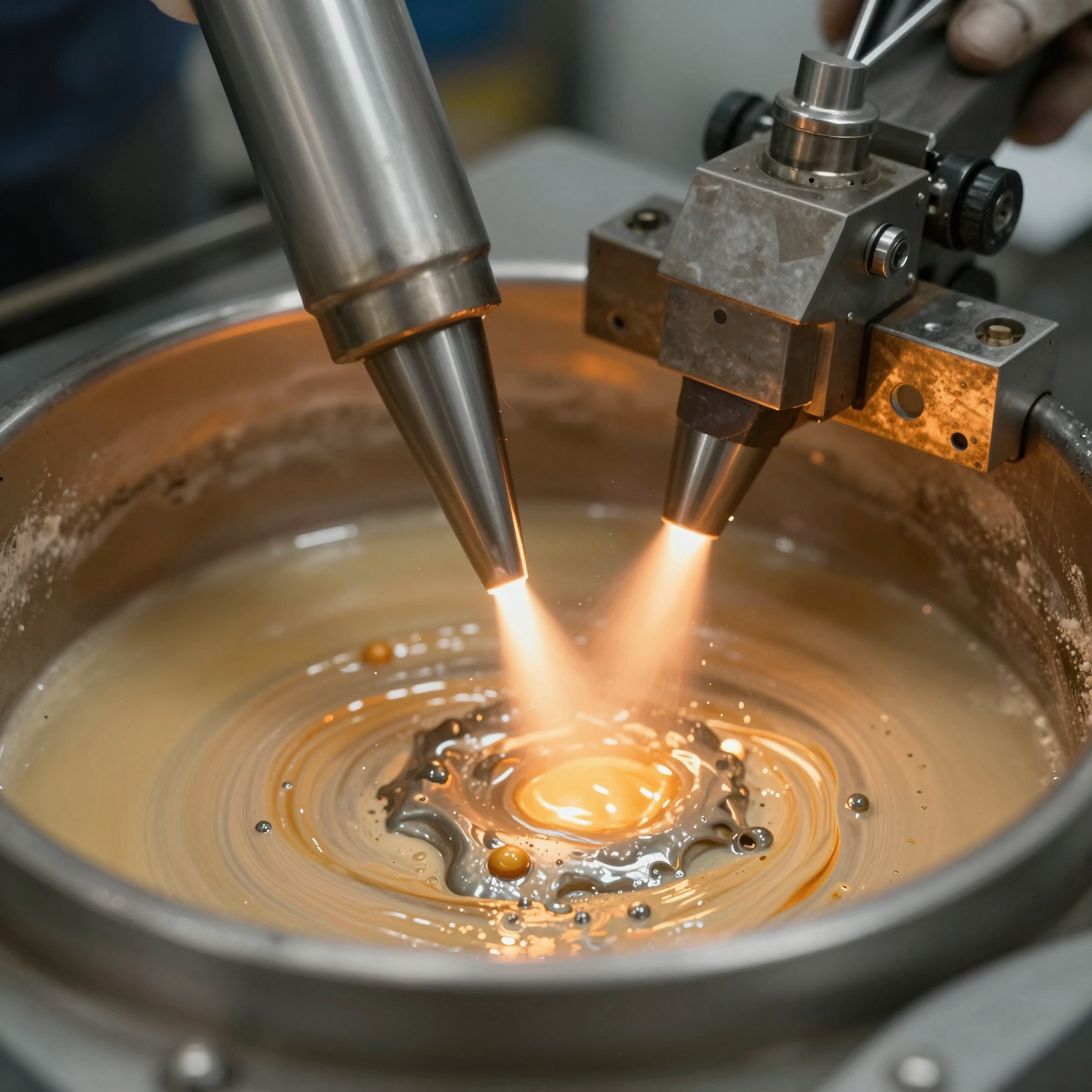
Hot Air Solder Leveling (HASL) is one of the oldest and most widely used surface treatments in the industry. In this process, the PCB is dipped into a molten solder bath—typically tin-lead (SnPb) or lead-free alloy—and then excess solder is removed using hot air knives, leaving behind a thin, even coating.
Pros:
- Low cost and widely available
- Excellent solderability
- Long shelf life
- Tolerant to multiple thermal cycles
Cons:
- Uneven surface profile—not ideal for fine-pitch components
- Thermal shock to the board during processing
- Not suitable for HDI or microvia designs
- Potential for bridging on tight spaces
Best For:
General-purpose consumer electronics, through-hole technology, low-cost prototypes, and non-high-density boards.
Note: While HASL remains popular, its limitations have led many manufacturers—including SUNTOP Electronics—to recommend alternative finishes for advanced designs.
2. Lead-Free HASL (LF-HASL)
Overview
With the global shift toward environmentally friendly manufacturing practices, lead-free alternatives have become standard. LF-HASL uses a tin-copper or tin-silver-copper alloy instead of traditional SnPb solder.
Pros:
- Compliant with RoHS and WEEE directives
- Similar performance to traditional HASL
- Cost-effective
Cons:
- Higher melting point increases thermal stress
- Slightly poorer wetting compared to leaded versions
- Still results in uneven surfaces
Best For:
Applications requiring RoHS compliance while maintaining compatibility with conventional assembly lines.
3. Electroless Nickel Immersion Gold (ENIG)
Overview
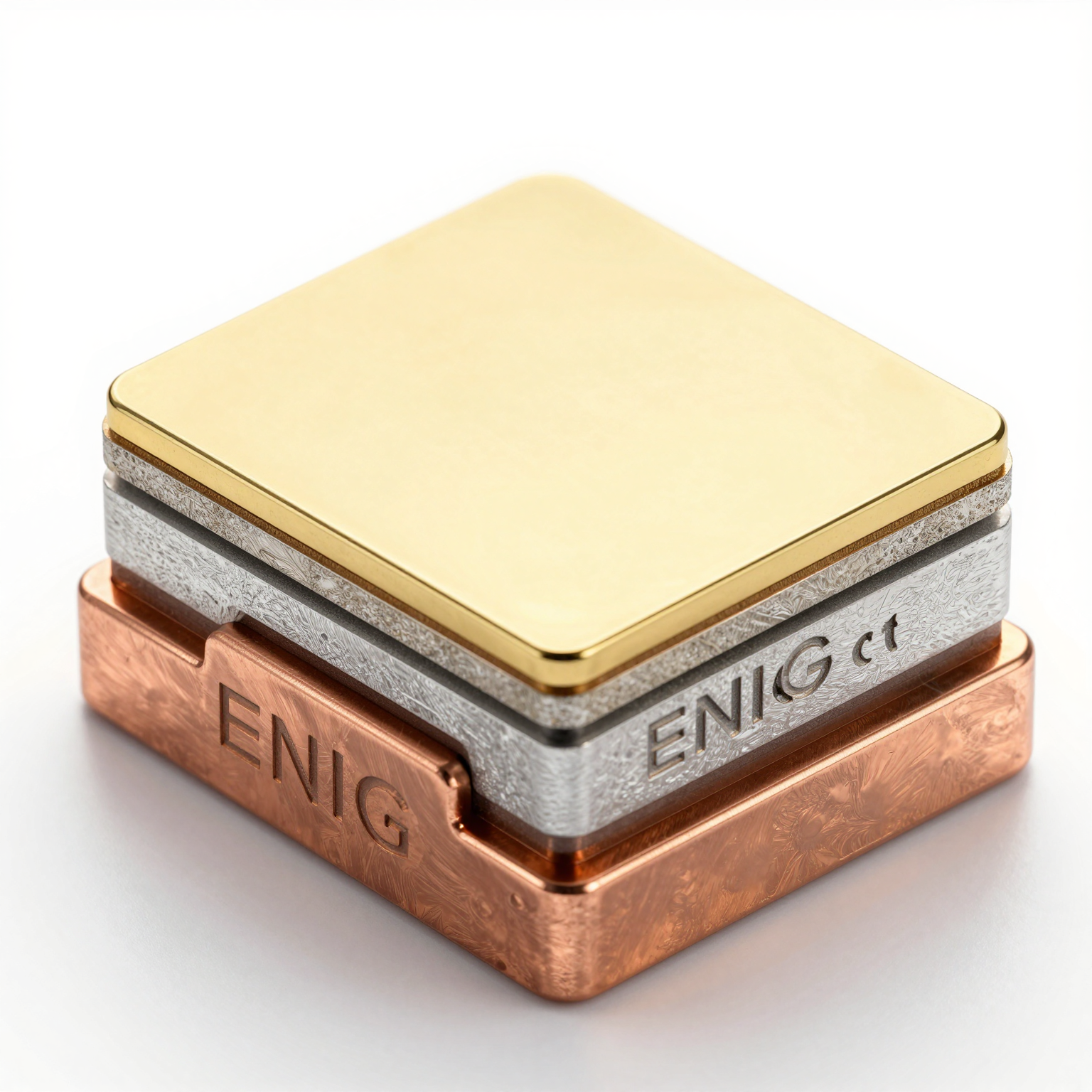
ENIG has emerged as one of the most popular PCB surface treatments, especially for high-reliability and high-performance applications. This two-layer finish consists of electroless nickel plating covered by a thin layer of immersion gold.
The nickel acts as a barrier to protect the copper and provides a surface for soldering, while the gold protects the nickel during storage and ensures good wire bondability.
Pros:
- Flat, smooth surface ideal for fine-pitch and BGA components
- Excellent shelf life (up to 12 months)
- Good corrosion resistance
- Suitable for both soldering and wire bonding
- Lead-free and RoHS compliant
Cons:
- Risk of "black pad" syndrome if process control is inadequate
- Higher cost than HASL
- Less tolerant to multiple reflows
- Requires strict process monitoring
Best For:
High-speed digital circuits, telecommunications equipment, medical devices, aerospace systems, and any application involving BGAs or HDI layouts.
At SUNTOP Electronics, we employ rigorous quality controls to prevent black pad formation, making ENIG a preferred option for clients demanding long-term reliability.
4. Immersion Silver
Overview
Immersion silver involves depositing a thin layer of pure silver onto the copper surface via a chemical displacement reaction. It offers a balance between cost and performance.
Pros:
- Flat surface suitable for fine-pitch components
- Better planarity than HASL
- Good solderability and thermal conductivity
- Lower cost than ENIG
- RoHS compliant
Cons:
- Susceptible to tarnishing if exposed to sulfur-containing environments
- Limited shelf life (typically 6–12 months)
- Not recommended for press-fit connectors
- Can form micro-galvanic cells under humid conditions
Best For:
Consumer electronics, RF modules, automotive infotainment systems, and applications needing moderate density at reasonable cost.
5. Immersion Tin
Overview
Immersion tin deposits a thin layer of tin onto the copper surface. Like other immersion processes, it creates a flat finish and is fully lead-free.
Pros:
- Very flat surface—ideal for very fine-pitch components
- Excellent solderability
- No risk of galvanic corrosion (unlike silver)
- RoHS compliant
- Lower cost than ENIG or silver
Cons:
- Prone to tin whiskers over time (a major concern in high-reliability fields)
- Limited shelf life (~6 months)
- Difficult to inspect visually
- Not suitable for aluminum wire bonding
Best For:
Telecom switches, networking hardware, and some industrial controls where whisker growth risks are mitigated through conformal coating or design.
6. Organic Solderability Preservative (OSP)
Overview
OSP is a water-based organic compound that selectively bonds to copper, forming a protective film that prevents oxidation. It’s one of the most eco-friendly surface treatments available.
Pros:
- Environmentally safe and easy to apply
- Flat surface with no added thickness
- Low cost
- Ideal for immediate assembly after fabrication
- Simple rework capability
Cons:
- Very short shelf life (typically 3–6 months)
- Sensitive to handling and contamination
- Not suitable for multiple thermal cycles
- Difficult to inspect; requires careful process control
Best For:
Short-run productions, single-sided boards, quick-turn prototypes, and applications where boards are assembled shortly after fabrication.
SUNTOP Electronics frequently uses OSP in rapid prototyping services due to its cost efficiency and clean profile.
7. Hard Gold / Electrolytic Gold
Overview
Hard gold, or electrolytic gold, is deposited using an electric current and typically plated over nickel. Unlike immersion gold, hard gold is much thicker and extremely durable.
Pros:
- Exceptional wear resistance
- High corrosion resistance
- Stable electrical contact properties
- Ideal for edge connectors and contact points
Cons:
- Very high cost
- Complex plating process
- Only used on specific areas (e.g., fingers), not entire boards
Best For:
Edge connectors, memory card slots, test fixtures, and other high-wear interface points.
Special Considerations: FPC Surface Treatment
Flexible Printed Circuits (FPCs) present unique challenges due to their dynamic bending, repeated flexing, and exposure to mechanical stress. As such, FPC surface treatment must address not only electrical performance but also mechanical durability.
Key Requirements for FPC Finishes
- Flexibility: The finish must not crack or delaminate under repeated flexing.
- Thinness: Thick coatings can reduce flexibility and increase stiffness.
- Adhesion: Strong bonding between layers is crucial to avoid peeling.
- Corrosion Resistance: Especially important in harsh environments like automotive or industrial settings.
Recommended Surface Treatments for FPCs
1. ENIG for FPCs
While traditionally associated with rigid boards, ENIG is increasingly used in FPC surface treatment due to its flatness and reliability. However, special attention must be paid to the ductility of the nickel layer to prevent cracking during flexing.
We at SUNTOP Electronics use modified ENIG processes optimized for flexible substrates, ensuring robust performance even in dynamic bend applications.
2. Immersion Silver for FPCs
Silver offers good conductivity and flexibility, but care must be taken regarding tarnish resistance. Often, conformal coatings are applied post-assembly to mitigate this issue.
3. Immersion Tin for FPCs
Tin is cost-effective and flexible, though concerns about tin whiskers remain. For static or low-cycle flex applications, immersion tin can be a viable solution.
4. OSP for FPCs
Due to its minimal thickness and flexibility, OSP is well-suited for simple FPCs intended for immediate assembly. However, its limited shelf life makes it unsuitable for inventory-stored parts.
5. Selective Gold Plating
For FPCs with contact fingers or gold-edge connectors, selective hard gold plating is commonly employed. This combines the benefits of durability at connection points with lighter finishes elsewhere.
Case Study: Wearable Device FPC
A recent project involved developing an FPC for a fitness tracker requiring repeated flexing and exposure to sweat and moisture. After evaluating multiple surface treatments, we selected a hybrid approach:
- OSP on component pads for soldering (boards assembled within 72 hours)
- Selective hard gold plating on edge contacts for user-insertable modules
This combination delivered optimal performance, cost-efficiency, and reliability—a testament to SUNTOP’s expertise in custom FPC surface treatment solutions.
How to Choose the Right PCB Surface Treatment
Selecting the appropriate PCB surface treatment depends on a variety of factors. Here’s a structured decision-making framework:
1. Application Requirements
Ask:
- Is the device consumer-grade or mission-critical?
- Will it operate in extreme temperatures, humidity, or corrosive environments?
- Does it require long shelf life or immediate assembly?
Example: Medical implants may require ENIG for maximum reliability, while a toy might use LF-HASL for cost savings.
2. Component Type and Pitch
Fine-pitch ICs, BGAs, CSPs, and QFNs benefit greatly from flat finishes like ENIG, immersion silver, or OSP. HASL should generally be avoided here due to coplanarity issues.
3. Assembly Process
Consider:
- Number of reflow cycles (e.g., double-sided assembly)
- Use of wave soldering vs. reflow
- Need for rework or repair
For example, OSP degrades after multiple heat exposures, whereas ENIG handles double-sided assembly well.
4. Environmental and Regulatory Compliance
Ensure your chosen finish meets relevant standards:
- RoHS – Restriction of Hazardous Substances
- REACH – Chemical safety regulation
- IPC-4552 – Specification for ENIG plating
- J-STD-033 – Moisture sensitivity guidelines
All PCB surface treatment options offered by SUNTOP Electronics comply with international environmental regulations.
5. Cost Constraints
Budget plays a significant role. While ENIG offers superior performance, it comes at a premium. For budget-conscious projects, LF-HASL or OSP may suffice.
| Finish | Relative Cost | Shelf Life | Suitability for Fine Pitch |
|---|---|---|---|
| HASL | $ | 12+ months | Poor |
| LF-HASL | $$ | 12+ months | Poor |
| ENIG | $$$$ | 12 months | Excellent |
| Immersion Silver | $$$ | 6–12 months | Good |
| Immersion Tin | $$ | 6 months | Excellent |
| OSP | $ | 3–6 months | Excellent |
| Hard Gold | $$$$$ | Unlimited* | N/A (selective) |
*Shelf life depends on packaging and environment
Industry Trends Shaping PCB Surface Treatment
Shift Toward Lead-Free and Eco-Friendly Processes
Global regulations continue to drive adoption of lead-free finishes. Beyond compliance, there’s growing corporate responsibility to minimize environmental impact. Water-based OSP and recyclable plating chemistries are gaining traction.
Rise of High-Density Interconnect (HDI) Boards
Miniaturization demands thinner lines, tighter spacing, and blind/buried vias. These features necessitate ultra-flat finishes—favoring ENIG, ENEPIG, and immersion tin over HASL.
Increased Demand for Reliability in Harsh Environments
Automotive, aerospace, defense, and industrial sectors require finishes that withstand vibration, temperature swings, and moisture. ENIG and hard gold see increased usage, often combined with conformal coatings.
Advancements in Alternative Finishes
Newer finishes like ENEPIG (Electroless Nickel Electroless Palladium Immersion Gold) offer enhanced protection against black pad and improved wire bonding capabilities. Though currently more expensive, ENEPIG is emerging as a next-generation solution for ultra-high-reliability applications.
According to Wikipedia’s entry on PCB surface finishes, ENEPIG provides “superior corrosion resistance and excellent solder joint reliability,” making it ideal for advanced semiconductor packaging.
Automation and Process Control
Modern PCB manufacturing services leverage automated inspection systems (AOI, X-ray) and statistical process control (SPC) to monitor surface finish quality in real-time. At SUNTOP Electronics, our state-of-the-art facility integrates these tools across all stages of production.
Quality Assurance in PCB Surface Treatment
Ensuring consistent, high-quality surface treatment requires more than just applying a finish—it demands precision engineering, material control, and rigorous testing.
Our 6-Step Quality Control Process
At SUNTOP Electronics, we follow a proven 6-step quality control process tailored to surface finishes:
- Raw Material Inspection: Verify purity of plating chemicals and base copper.
- Pre-Treatment Cleaning: Remove oils, oxides, and contaminants before finishing.
- Process Parameter Monitoring: Control pH, temperature, immersion time, and current density.
- In-Line Visual & Automated Inspection: Detect discoloration, uneven coating, or missing pads.
- Solderability Testing: Perform wetting balance tests to ensure proper solder adhesion.
- Final Audit & Packaging: Inspect finished boards and pack in anti-static, dry containers.
Each batch undergoes traceability logging, allowing full audit trails from raw materials to shipment.
Additionally, we conduct accelerated aging tests—such as high-temperature storage (HTS) and thermal cycling—to simulate long-term performance under stress conditions.
SUNTOP Electronics: Your Trusted Partner in PCB Manufacturing
As a vertically integrated PCB manufacturer and PCB Assembly service provider, SUNTOP Electronics brings together deep technical expertise, cutting-edge facilities, and a customer-first philosophy.
Our capabilities span:
- Rigid, flex, and rigid-flex PCB fabrication
- Advanced PCB surface treatment options including ENIG, immersion silver, OSP, and selective gold
- Full turnkey and consignment PCB assembly services
- Electronic component sourcing and supply chain management
- Comprehensive PCB quality testing, including AOI, X-ray, ICT, and functional testing
Whether you’re launching a startup product or scaling up for mass production, we provide scalable solutions backed by ISO 9001, IATF 16949, and IPC-A-610 certified processes.
To learn more about our offerings, visit our page on PCB manufacturing capabilities or explore the range of industries we serve—from automotive and healthcare to IoT and telecommunications.
Conclusion: Making the Right Choice in PCB Surface Treatment
Choosing the right PCB surface treatment is far more than a finishing touch—it’s a strategic decision that affects manufacturability, reliability, cost, and compliance. From traditional HASL to advanced ENIG and specialized FPC surface treatment techniques, each option presents trade-offs that must align with your product’s goals.
At SUNTOP Electronics, we don’t just manufacture PCBs—we partner with engineers and designers to deliver optimal solutions. By combining technical knowledge with responsive support, we help you navigate the complexities of modern electronics manufacturing with confidence.
Whether you're finalizing a prototype or preparing for volume production, let us help you select the best surface treatment for your next project.
Ready to get started?
👉 Get a PCB quote today and speak with one of our experts.